Insights: How Sensors Are Revolutionizing Industries
Sensors are devices that detect changes in the environment and convert them into signals that can be measured and analyzed. Over time, sensors have evolved from simple mechanical instruments to advanced digital components used across many sectors. Today, sensors in industries play a central role in monitoring systems, collecting data, and enabling automated processes.
Industrial sensors are used in manufacturing, healthcare, transportation, agriculture, and energy systems. These devices measure variables such as temperature, pressure, motion, light, humidity, and chemical composition. The information collected helps systems respond in real time or store data for future analysis.
The rise of connected technologies has expanded the use of sensors even further. With the growth of the Internet of Things (IoT), sensor networks can communicate with each other and share data across platforms. This shift has led to smarter systems where machines, devices, and infrastructure can operate with minimal human intervention.
Understanding how sensors are transforming industries helps explain many of the technological changes seen in everyday life, from smart homes to automated factories.
Importance
The increasing use of sensors in industries matters because it improves accuracy, safety, and efficiency in many processes. These devices allow systems to detect changes quickly and respond appropriately, reducing the risk of errors or delays.
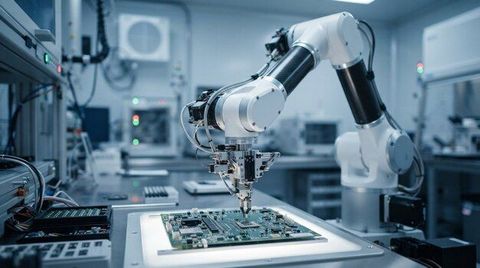
In manufacturing, industrial sensors help monitor equipment performance and detect faults before they lead to breakdowns. This reduces downtime and helps maintain consistent production quality. In healthcare, sensors are used in medical devices to track vital signs, supporting early detection of health issues.
Transportation systems rely on sensors for navigation, traffic monitoring, and safety features such as collision detection. In agriculture, sensors help measure soil conditions, weather patterns, and crop health, allowing more precise farming practices.
Some common challenges addressed by sensors include:
- Real-time monitoring: Sensors provide continuous data, helping systems react instantly to changes.
- Safety improvements: Hazardous conditions can be detected early, reducing risks to people and equipment.
- Resource efficiency: Sensors help optimize the use of energy, water, and raw materials.
- Data-driven decisions: Collected data supports better planning and analysis.
By addressing these challenges, sensors contribute to more reliable and efficient systems across multiple sectors.
Recent Updates
Recent developments in sensors in industries show a strong focus on connectivity, miniaturization, and intelligence. Advances in semiconductor technology have made sensors smaller, more accurate, and capable of handling complex tasks.
One major trend is the integration of artificial intelligence with sensor systems. AI-enabled sensors can analyze data locally, reducing the need to send large amounts of information to centralized systems. This approach is often referred to as edge computing.
Another important development is the expansion of wireless sensor networks. These networks allow multiple sensors to communicate without physical connections, making installation easier in large or remote areas. This is particularly useful in environmental monitoring and industrial automation.
Flexible and wearable sensors are also gaining attention. These sensors can be integrated into clothing or attached to the body, enabling continuous monitoring in healthcare and fitness applications.
The following table highlights some recent trends and their general impact:
| Trend | Description | Industry Impact |
|---|---|---|
| AI-integrated sensors | Sensors with built-in data analysis capabilities | Faster decision-making |
| Wireless sensor networks | Sensors connected without cables | Easier deployment in large systems |
| Miniaturized sensors | Smaller and more compact designs | Use in portable and wearable devices |
| Energy-efficient sensors | Reduced power consumption | Longer operational lifespan |
| Multi-functional sensors | Single devices measuring multiple variables | Simplified system design |
These developments indicate a shift toward smarter and more adaptable sensor systems that can operate in complex environments.
Laws or Policies
The use of sensors in industries is influenced by various regulations and standards designed to ensure safety, accuracy, and data protection. These rules vary by country but generally follow similar principles.
In many regions, industrial sensors must meet safety and performance standards before they can be used in critical applications. These standards are often set by national or international organizations that define testing procedures and quality requirements.
Data protection laws also play a role, especially when sensors collect personal or sensitive information. For example, healthcare and wearable devices must follow strict guidelines to ensure that user data is handled securely and responsibly.
Environmental regulations may require sensors to monitor emissions, pollution levels, or energy usage. These requirements help industries comply with sustainability goals and reduce environmental impact.
Common policy areas affecting sensor use include:
- Product safety standards: Ensure devices operate reliably under specified conditions.
- Data privacy regulations: Protect information collected by connected sensors.
- Environmental monitoring rules: Require tracking of emissions and resource usage.
- Industry-specific guidelines: Apply to sectors such as healthcare, aviation, and energy.
Understanding these policies helps ensure that sensor systems are implemented in a responsible and compliant manner.
Tools and Resources
Various tools and platforms support the development, deployment, and management of sensors in industries. These resources help users design systems, analyze data, and maintain performance.
Simulation software is often used to test sensor behavior under different conditions before physical implementation. This helps identify potential issues early in the design process.
Data analytics platforms allow users to process and interpret large volumes of sensor data. These tools can identify patterns, detect anomalies, and generate insights that support decision-making.
IoT platforms provide a framework for connecting sensors to networks and managing communication between devices. These platforms often include dashboards for monitoring system performance in real time.
Other useful resources include:
- Calibration tools: Ensure sensors provide accurate measurements over time.
- Cloud storage systems: Store and manage data collected from sensor networks.
- Open-source libraries: Provide code and frameworks for building sensor applications.
- Technical documentation: Guides for installation, maintenance, and troubleshooting.
These tools make it easier to integrate industrial sensors into complex systems and maintain their effectiveness over time.
FAQs
What are sensors in industries and how are they used?
Sensors in industries are devices that detect physical or environmental changes and convert them into measurable signals. They are used to monitor processes, improve safety, and support automation in sectors like manufacturing, healthcare, and transportation.
What is the role of industrial sensors in automation?
Industrial sensors play a key role in automation by providing real-time data to control systems. This allows machines to adjust operations automatically based on changing conditions, improving efficiency and reducing manual intervention.
How do smart sensors differ from traditional sensors?
Smart sensors include built-in processing capabilities that allow them to analyze data locally. Traditional sensors typically only collect data and send it to external systems for processing.
Are sensors in industries important for safety?
Yes, sensors are widely used to detect hazardous conditions such as high temperatures, gas leaks, or equipment malfunctions. This helps prevent accidents and ensures safer working environments.
What industries rely heavily on sensor technology?
Industries such as manufacturing, healthcare, agriculture, transportation, and energy rely heavily on sensor technology for monitoring, control, and data collection.
Conclusion
Sensors have become an essential part of modern industrial systems, enabling accurate monitoring and automated responses. Their integration with digital technologies has expanded their capabilities and applications across multiple sectors. As developments continue, sensors are expected to support more connected and efficient systems. Understanding their role helps explain how industries are adapting to technological changes. Their impact can be seen in improved safety, better resource management, and more informed decision-making.