Industrial Testing and Inspection Equipment: An Informative Overview for Modern Industries
Industrial testing and inspection equipment refers to the wide range of tools, instruments, and technologies used to examine materials, components, and systems in industrial environments. These tools exist to ensure that products meet required quality, durability, and safety standards before they advance to the next production stage or reach the end user. Industries such as manufacturing, construction, aerospace, automotive, and energy depend on testing methods to verify the performance and integrity of their materials.
These testing processes were developed as a response to the growing need for reliability and standardized quality during the industrial revolution. Over time, complex machines and advanced technologies increased the demand for accurate measurement systems capable of analyzing thickness, stress, corrosion, vibration, pressure, temperature, and structural changes. Today, industrial testing and inspection equipment plays a critical role in maintaining consistency, reducing risks, and ensuring operational efficiency.
Importance
Industrial testing and inspection equipment is important because it helps organizations maintain safe operations while avoiding failures that could create major disruptions. These tools affect engineers, manufacturers, maintenance teams, and quality-control specialists who rely on precise data to make informed decisions.
Proper testing can detect early signs of wear, cracks, inconsistencies, and mechanical issues before they escalate. In high-risk sectors like aerospace or energy, inspection accuracy helps protect workers, prevent environmental hazards, and maintain compliance with quality standards. The equipment also supports long-term performance by providing insights that guide predictive maintenance strategies, extending the life cycle of assets.
Industries increasingly rely on automated inspection systems to reduce human error and improve accuracy. With advancements in digital monitoring, organizations can now track equipment performance in real time, enabling faster responses and better planning.
Recent Updates
In the last year, several trends have shaped the development of industrial testing and inspection equipment. In 2024, many testing systems incorporated artificial intelligence to automate defect detection, pattern recognition, and quality scoring. AI-powered cameras and sensors have become common in production lines, especially in electronics and automotive manufacturing.
Another major update is the adoption of advanced non-destructive testing (NDT) technologies. Techniques such as ultrasonic phased array testing, infrared thermography, and digital radiography have expanded, offering higher accuracy and easier digital reporting. Cloud-based inspection platforms introduced in mid-2024 made it possible for engineers to access testing data remotely.
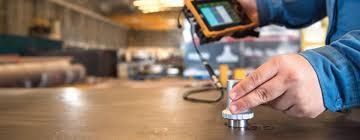
The year 2025 has brought increased demand for portable, handheld diagnostic instruments. These devices help industries conduct rapid inspections on-site, especially in construction and energy sectors. In addition, industries are shifting toward eco-friendly inspection equipment with lower energy consumption and reduced environmental impact.
Laws or Policies
Industrial testing and inspection equipment is influenced by a range of national and international regulations designed to ensure safety, quality, and standardization. Many countries follow guidelines from organizations such as ISO, ASTM, and IEC. These frameworks establish testing procedures, calibration requirements, and acceptable measurement tolerances.
Government policies often require industries like construction, aviation, and oil and gas to follow mandatory inspection schedules. In some regions, regulatory bodies oversee the accuracy of instruments and demand periodic certification to prevent measurement errors. Environmental laws also affect inspection systems, especially those used to monitor emissions, pressure levels, or structural integrity.
Countries implementing digital transformation policies encourage companies to adopt smart testing tools that improve transparency and documentation. This trend has increased the adoption of digital logs, automated reports, and cloud-based inspection records.
Tools and Resources
Several tools and resources help professionals work efficiently with industrial testing and inspection equipment:
Popular Equipment Types
-
Ultrasonic testers
-
Magnetic particle inspection tools
-
Radiographic inspection systems
-
Thermal imaging cameras
-
Vibration analyzers
-
Thickness gauges
-
Pressure and temperature measuring devices
-
Hardness testers
-
Optical inspection systems
Helpful Software and Digital Tools
-
Industrial inspection data management apps
-
Asset monitoring dashboards
-
Calibration reminder tools
-
AI-based defect detection platforms
-
Cloud-based maintenance tracking tools
Useful Resources
-
Equipment selection checklists
-
Technical standards libraries
-
Material testing guides
-
Digital inspection templates
-
Measurement reference tables
Table: Common Industrial Testing Methods and Their Uses
| Testing Method | Purpose | Industry Usage |
|---|---|---|
| Ultrasonic Testing | Detects internal flaws and thickness | Manufacturing, Energy |
| Magnetic Particle Inspection | Identifies surface cracks | Automotive, Welding |
| Radiographic Inspection | Checks internal structures | Aerospace, Pipelines |
| Thermal Imaging | Detects heat variations | Electrical, Building Inspection |
| Vibration Analysis | Monitors equipment health | Machinery, Industrial Plants |
FAQs
What is the purpose of industrial testing equipment?
Industrial testing equipment is used to evaluate the quality, durability, and safety of materials and components. It helps detect flaws early and ensures compliance with industry standards.
Which industries use testing and inspection tools the most?
Sectors such as manufacturing, aerospace, construction, automotive, and energy rely heavily on testing equipment for quality control and safety verification.
What is the difference between destructive and non-destructive testing?
Destructive testing involves breaking or altering a material to measure its limits, while non-destructive testing evaluates materials without causing damage.
Are digital inspection tools replacing manual methods?
Digital tools are increasing but not fully replacing manual inspections. Instead, they complement human expertise by improving accuracy and speeding up data analysis.
How often should industrial inspection equipment be calibrated?
Calibration frequency depends on usage, regulations, and industry standards. Many organizations schedule calibration annually or after heavy usage.
Conclusion
Industrial testing and inspection equipment has become a central part of modern industry, supporting safety, quality, and operational efficiency. With advancements in digital systems, AI integration, and portable testing solutions, industries can now perform more accurate and faster inspections than ever before. As standards continue to evolve, organizations will benefit from adopting tools that align with technological progress and regulatory requirements.
This overview highlights the importance of testing equipment in ensuring reliable operations and protecting long-term industrial performance.