Industrial Robotics Maintenance & Repair: A Practical Guide for Reliable Operations
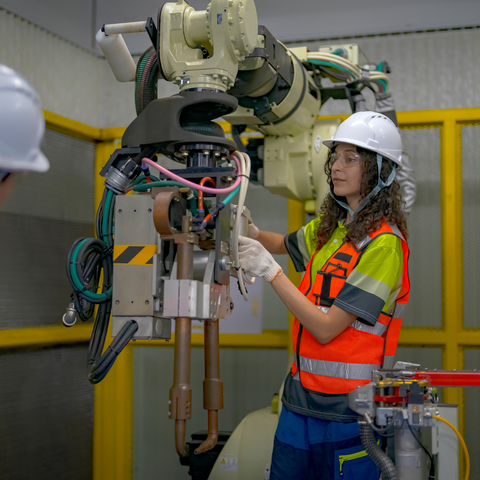
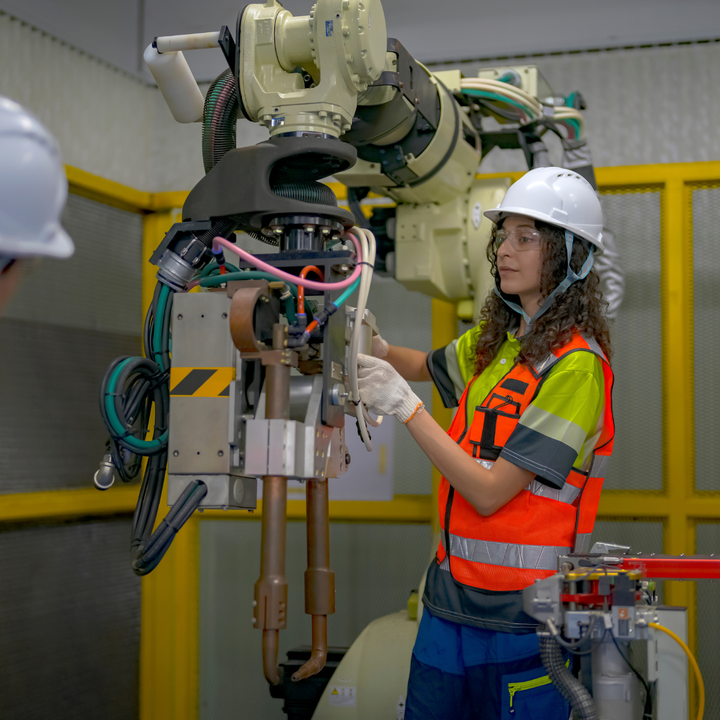
Industrial robots are now a core part of manufacturing, logistics, automotive production, electronics assembly, and many other industries. They improve efficiency, reduce human error, and support high-volume production. However, like any complex machinery, robots require regular maintenance and timely repair to function properly. When robots fail or perform inconsistently, the impact can be significant—production delays, quality issues, and increased operational costs. That is why understanding industrial robotics maintenance and repair is not just a technical concern but a strategic business priority.
Why Maintenance and Repair Matter
Industrial robots operate in demanding environments, often running continuously. Without proper care, components wear out, calibration drifts, and system performance declines.
Key Benefits of Proper Maintenance
-
Reduced downtime: Preventive maintenance avoids unexpected breakdowns
-
Improved productivity: Robots perform consistently and accurately
-
Longer lifespan: Components last longer when maintained regularly
-
Enhanced safety: Well-maintained robots reduce workplace risks
-
Better quality control: Precision tasks remain accurate over time
Limitations and Challenges
-
Initial setup complexity: Maintenance planning requires technical expertise
-
Skilled labor requirement: Trained technicians are often needed
-
Downtime for servicing: Scheduled maintenance may pause production
-
Spare parts dependency: Availability of parts can affect repair timelines
Types of Industrial Robotics Maintenance
Different maintenance approaches are used depending on operational needs, budget, and system complexity.
1. Preventive Maintenance
This is scheduled maintenance performed at regular intervals.
-
Lubrication of joints and components
-
Inspection of cables, sensors, and motors
-
Software updates and calibration checks
Best for: Avoiding unexpected failures and maintaining stability
2. Predictive Maintenance
Uses sensors and data analytics to monitor robot health and predict failures.
-
Vibration analysis
-
Temperature monitoring
-
Real-time performance tracking
Best for: High-value operations where downtime is costly
3. Corrective Maintenance
Performed after a failure or malfunction occurs.
-
Replacing damaged components
-
Fixing software errors
-
Repairing mechanical faults
Best for: Immediate issue resolution, though less efficient long-term
4. Condition-Based Maintenance
Maintenance is triggered based on the actual condition of the robot rather than a fixed schedule.
-
Monitoring wear levels
-
Tracking performance deviations
Best for: Balancing cost and efficiency
Comparison of Maintenance Types
| Maintenance Type | Approach | Cost Level | Downtime Risk | Best Use Case |
|---|---|---|---|---|
| Preventive | Scheduled | Medium | Low | Standard industrial setups |
| Predictive | Data-driven | High | Very Low | High-value production lines |
| Corrective | Reactive | Variable | High | Emergency repairs |
| Condition-Based | Real-time triggers | Medium | Low | Optimized maintenance strategy |
Common Repair Areas in Industrial Robots
Understanding what typically fails helps in planning maintenance strategies.
-
Servo motors and drives: Wear due to continuous movement
-
Gearboxes and joints: Mechanical stress over time
-
Cabling and connectors: Damage from repeated motion
-
Sensors and vision systems: Calibration and alignment issues
-
Controllers and software: Bugs, outdated firmware, or configuration errors
Latest Trends in Robotics Maintenance
Industrial robotics maintenance is evolving with advancements in technology.
1. AI-Based Predictive Maintenance
Artificial intelligence analyzes large datasets to detect early signs of failure.
2. Remote Diagnostics
Technicians can monitor and troubleshoot robots remotely, reducing response time.
3. Digital Twins
Virtual models of robots simulate performance and predict maintenance needs.
4. IoT Integration
Connected sensors provide continuous data for better decision-making.
5. Modular Components
Easier replacement of parts without full system disassembly.
Key Features to Consider in Maintenance Solutions
When evaluating maintenance strategies or service providers, consider the following:
Technical Capabilities
-
Compatibility with robot brands and models
-
Availability of diagnostic tools
-
Software support and updates
Service Support
-
Response time for repairs
-
Availability of trained technicians
-
Remote support options
Spare Parts Availability
-
Access to original components
-
Inventory management systems
Data and Monitoring
-
Real-time performance tracking
-
Predictive analytics capabilities
Top Industrial Robotics Companies and Solutions
Many global companies provide robotics systems along with maintenance support. While features vary, most offer integrated service solutions.
Commonly Recognized Providers
-
ABB
-
FANUC
-
KUKA
-
Yaskawa Motoman
-
Mitsubishi Electric
Comparison Overview
| Company | Strengths | Support Focus |
|---|---|---|
| ABB | Advanced automation systems | Predictive maintenance tools |
| FANUC | Reliability and global presence | Strong spare parts network |
| KUKA | Flexible robotics solutions | Digital integration |
| Yaskawa Motoman | High-speed precision robots | Efficient service support |
| Mitsubishi Electric | Integrated factory automation | Software and hardware support |
How to Choose the Right Maintenance Approach
Selecting the right maintenance strategy depends on your operational priorities.
Step-by-Step Decision Checklist
-
Define production criticality (high, medium, low)
-
Evaluate downtime cost per hour
-
Assess current robot usage intensity
-
Identify internal technical capabilities
-
Determine budget for maintenance
Quick Selection Guide
| Scenario | Recommended Approach |
|---|---|
| High production dependency | Predictive maintenance |
| Moderate usage | Preventive + condition-based |
| Limited budget | Preventive maintenance |
| Frequent breakdowns | Upgrade to predictive |
Best Practices for Maintenance and Repair
Routine Maintenance Checklist
-
Inspect robot joints and lubrication weekly
-
Check cables and connections regularly
-
Monitor system performance metrics
-
Keep software and firmware updated
-
Maintain a spare parts inventory
Operational Tips
-
Train operators to identify early warning signs
-
Schedule maintenance during low production periods
-
Keep detailed maintenance logs
-
Use original or certified spare parts
-
Implement safety protocols during repairs
Common Mistakes to Avoid
-
Ignoring minor issues until they escalate
-
Over-relying on corrective maintenance
-
Using incompatible spare parts
-
Skipping regular inspections
-
Lack of trained personnel
FAQs: Industrial Robotics Maintenance & Repair
1. How often should industrial robots be maintained?
Maintenance frequency depends on usage and environment. Most systems require periodic checks ranging from weekly inspections to quarterly servicing.
2. What are early signs that a robot needs repair?
-
Unusual noise or vibration
-
Decreased accuracy
-
Slower performance
-
Error messages or system faults
3. Is predictive maintenance worth the investment?
For high-output operations, predictive maintenance can significantly reduce downtime and long-term costs.
4. Can maintenance be handled in-house?
Yes, if trained technicians and proper tools are available. Otherwise, external service providers may be required.
5. What is the typical downtime during repairs?
It varies based on the issue. Minor repairs may take a few hours, while major failures can require days if parts are not readily available.
6. Are software updates necessary for robots?
Yes, updates improve performance, fix bugs, and enhance compatibility with new systems.
Conclusion
Industrial robotics maintenance and repair play a critical role in ensuring smooth, efficient, and safe operations. While robots bring automation benefits, their performance depends heavily on how well they are maintained.
Choosing the right maintenance strategy involves balancing cost, operational needs, and system complexity. Preventive and predictive approaches generally offer better long-term value compared to reactive repairs.