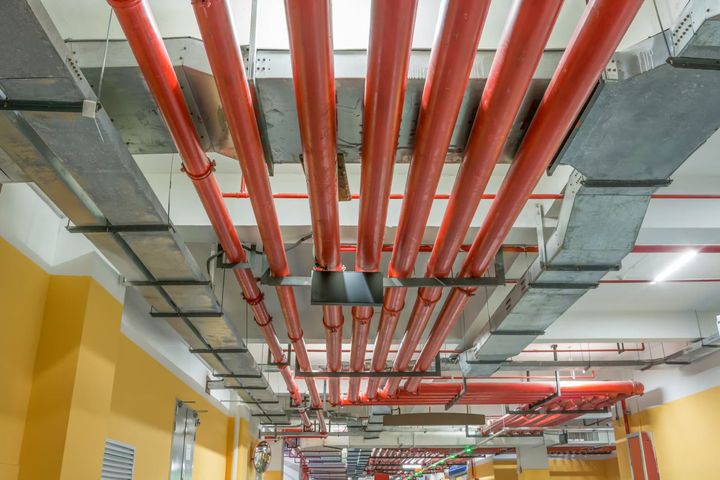
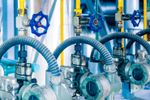
Fire protection in industrial settings typically combines multiple layers of safety. These include early detection systems, automatic suppression technologies, evacuation planning, and facility design strategies that reduce the spread of flames and smoke.
Common components of industrial fire protection include:
-
Fire detection systems such as smoke, heat, and gas sensors
-
Automatic sprinkler systems and foam suppression systems
-
Fire-resistant building materials and compartmentalization
-
Alarm systems and emergency communication networks
-
Safety training and evacuation procedures
The purpose of these measures is to reduce the risk of fire-related damage, protect workers, safeguard equipment, and maintain operational continuity.
Industrial fire protection has evolved significantly over the past several decades. Modern facilities now integrate digital monitoring systems, predictive maintenance tools, and real-time alerts to improve response time during emergencies.
Why Industrial Fire Protection Matters Today
Industrial facilities operate with complex machinery, high energy usage, and large inventories of raw materials. These conditions make fire prevention and rapid response critical.
A fire incident in an industrial environment can lead to multiple consequences, including infrastructure damage, production disruption, environmental impact, and safety risks for workers.
Industrial fire protection helps address several important challenges:
• Workplace safety – Protecting employees from injury or exposure to hazardous smoke and heat
• Operational continuity – Preventing production shutdowns due to fire damage
• Environmental protection – Reducing the release of hazardous materials during fires
• Infrastructure protection – Safeguarding machinery, electrical systems, and storage facilities
Industries most affected by fire risks include:
-
Manufacturing plants
-
Oil and gas facilities
-
Chemical processing industries
-
Warehouses and logistics centers
-
Power generation plants
The importance of fire protection is also increasing due to larger industrial complexes and automated production systems. As industrial operations grow in scale and complexity, safety systems must adapt accordingly.
Example: Common Fire Risk Sources in Industrial Facilities
| Fire Risk Source | Description |
|---|
| Electrical faults | Overloaded circuits, damaged wiring, or equipment failure |
| Flammable materials | Chemicals, solvents, fuels, and combustible dust |
| High-temperature equipment | Furnaces, boilers, welding machines |
| Mechanical friction | Moving machinery parts generating heat |
| Storage conditions | Poorly ventilated warehouses with combustible goods |
Understanding these risks allows facilities to design more effective fire protection strategies.
Recent Updates and Industry Trends
Industrial fire protection has seen notable technological and regulatory developments in recent years. Between 2024 and 2025, several trends have influenced how facilities approach fire safety.
One major trend is the adoption of smart fire detection systems. These systems use sensors connected to digital monitoring platforms that can detect unusual temperature patterns, smoke particles, or gas leaks earlier than traditional alarms.
Another development involves AI-assisted risk monitoring. Some modern fire safety platforms analyze equipment behavior and environmental conditions to predict potential hazards before a fire occurs.
Recent trends include:
-
IoT-enabled fire detection sensors
-
Cloud-based safety monitoring systems
-
Integrated building safety management platforms
-
Advanced flame detection cameras for industrial plants
Industrial safety organizations also continue to update fire protection standards. For example, 2025 revisions of international fire safety guidelines have emphasized improved hazard assessments for facilities handling flammable chemicals.
Technology Adoption in Industrial Fire Protection
| Technology | Purpose |
|---|
| Smart smoke detectors | Faster detection with data monitoring |
| Thermal cameras | Identify overheating machinery |
| Automated suppression systems | Rapid fire control without human intervention |
| Predictive safety software | Detect patterns indicating potential fire risk |
These innovations aim to improve early detection and reduce response time during emergencies.
Laws and Regulations Affecting Industrial Fire Safety
Industrial fire protection is closely linked to national and international safety regulations. Governments and regulatory organizations establish rules to ensure facilities follow proper fire prevention and emergency response procedures.
In many countries, industrial safety regulations require companies to implement fire risk assessments and maintain functional fire protection systems.
Some common regulatory frameworks include:
-
Workplace safety standards governing industrial environments
-
Fire safety codes related to building design and materials
-
Hazardous material storage regulations
-
Emergency evacuation planning requirements
Example Regulatory Bodies
| Region | Regulatory Authority |
|---|
| United States | National Fire Protection Association (NFPA) |
| European Union | European Fire Safety Standards |
| India | National Building Code (NBC) Fire Safety Guidelines |
| International | International Fire Safety Standards Organization |
In India, fire safety requirements for industrial buildings are outlined in the National Building Code (NBC) 2016, which includes guidelines for fire-resistant construction, alarm systems, and evacuation planning.
Facilities must also follow local fire department regulations and industrial safety rules depending on the nature of their operations.
Compliance with these regulations helps ensure consistent safety practices across industries and reduces the likelihood of major fire incidents.
Tools and Resources for Industrial Fire Protection
Various tools and digital platforms help organizations improve fire safety planning and risk management.
These tools support tasks such as hazard analysis, emergency planning, safety audits, and equipment monitoring.
Useful Fire Safety Tools and Platforms
-
Fire risk assessment software for identifying hazards within facilities
-
Safety compliance management systems for tracking inspections and reports
-
Emergency evacuation planning templates used for employee training
-
Fire safety training simulators for industrial workers
-
Thermal monitoring systems for high-temperature equipment
Example Resource Categories
| Resource Type | Purpose |
|---|
| Risk assessment tools | Identify fire hazards in facilities |
| Fire load calculators | Estimate combustible material levels |
| Safety training platforms | Educate employees about fire response |
| Inspection checklists | Ensure equipment and systems function properly |
| Incident reporting templates | Document safety events and investigations |
These resources help organizations maintain preparedness and support compliance with fire safety regulations.
Frequently Asked Questions
What is industrial fire protection?
Industrial fire protection refers to the strategies, systems, and technologies used to prevent and control fires in industrial facilities such as factories, warehouses, and energy plants.
It includes detection systems, suppression technologies, emergency planning, and safety training programs designed to reduce fire risks.
What types of fire protection systems are commonly used in industries?
Industries typically use multiple protection systems, including:
-
Automatic sprinkler systems
-
Foam suppression systems
-
Fire alarm and detection sensors
-
Gas-based suppression systems for equipment rooms
-
Emergency evacuation alarm systems
Each system is designed to address different types of fire hazards.
What industries face the highest fire risk?
Industries that handle flammable materials or high-temperature processes often face higher fire risks. These include:
-
Oil and gas operations
-
Chemical manufacturing plants
-
Metal processing facilities
-
Warehousing and logistics centers
-
Power generation plants
Proper fire protection planning is essential in these environments.
How often should industrial fire protection systems be inspected?
Inspection frequency depends on local regulations and industry standards. However, many guidelines recommend regular system testing, routine equipment checks, and periodic safety audits to ensure that all fire protection systems function correctly.
How does technology improve industrial fire safety?
Modern technology helps detect potential hazards earlier and improves emergency response. Tools such as smart sensors, thermal cameras, and predictive monitoring software allow facilities to identify abnormal conditions before they escalate into fire incidents.
Conclusion
Industrial fire protection plays a critical role in maintaining safety and stability in modern industrial environments. As manufacturing processes become more complex and facilities grow larger, the need for reliable fire prevention and response systems continues to increase.
Effective fire protection combines several elements, including detection technologies, suppression systems, safety training, and regulatory compliance. These measures help reduce fire risks, protect employees, and safeguard critical infrastructure.
Recent developments such as smart monitoring systems and predictive safety tools are transforming how industries approach fire risk management. At the same time, national and international regulations continue to strengthen safety standards for industrial facilities.
By integrating modern technology, following safety regulations, and using specialized tools for risk assessment and training, industrial organizations can improve preparedness and build safer working environments for the future.