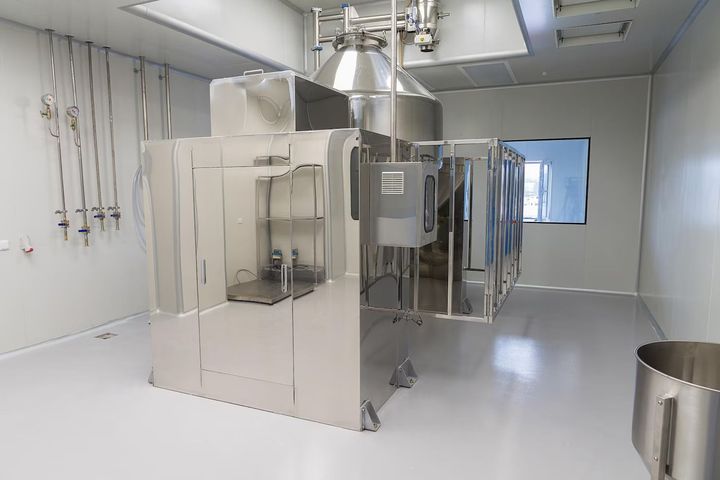
The core purpose of humidity chambers is to evaluate how materials, components, and products behave when exposed to different humidity levels. Natural environmental conditions can vary significantly across regions and seasons. Because of this variability, controlled laboratory testing environments help ensure that products perform reliably regardless of where they are used.
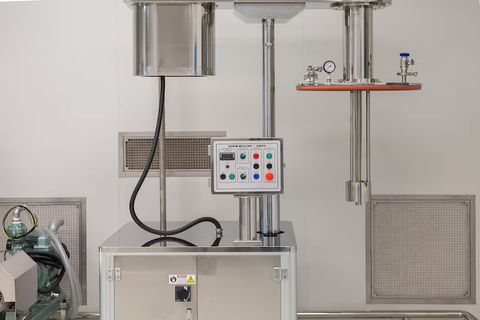
A humidity chamber typically includes several integrated components:
-
Humidity control system
-
Temperature regulation unit
-
Air circulation mechanism
-
Sensors and monitoring devices
-
Digital control interfaces
These systems allow operators to set precise humidity levels, often ranging from 10% to 98% relative humidity, while maintaining stable temperature conditions.
Humidity chambers are widely used in industries such as electronics, automotive manufacturing, aerospace, pharmaceuticals, construction materials, and packaging research. By simulating challenging environmental conditions, engineers can detect potential failures early during product development.
Why Humidity Testing Matters in Modern Industries
Environmental reliability has become an important focus across many sectors. As products are shipped globally and used in different climates, exposure to humidity can influence performance, durability, and safety.
High humidity can cause issues such as:
-
corrosion of metal components
-
moisture absorption in materials
-
electronic circuit degradation
-
adhesive failure
-
packaging deterioration
Because of these risks, humidity testing helps industries evaluate product durability before large-scale manufacturing.
The impact of humidity testing can be seen across several sectors.
| Industry | Why Humidity Testing Is Important |
|---|
| Electronics | Prevents circuit corrosion and insulation failure |
| Automotive | Ensures sensors and electrical systems withstand moisture |
| Aerospace | Tests reliability of aircraft components |
| Pharmaceuticals | Verifies stability of medicines and packaging |
| Construction | Evaluates building materials in humid climates |
In global manufacturing, product reliability testing is increasingly required for certification and compliance. Environmental testing data helps companies meet regulatory expectations and quality standards.
Another key benefit is risk reduction during product design. By identifying weaknesses early, manufacturers can improve materials, coatings, or protective designs before products reach the market.
Recent Developments and Technology Trends (2024–2025)
Environmental testing technology has evolved significantly in recent years. Modern humidity chambers are now equipped with advanced digital systems and data monitoring capabilities.
Several developments during 2024 and early 2025 have influenced this sector.
Integration of IoT Monitoring
Many new humidity chambers now support remote monitoring through connected sensors. Engineers can observe humidity levels, temperature stability, and test progress using cloud dashboards or laboratory management software.
Energy-Efficient Chamber Design
Manufacturers have introduced improved insulation materials and optimized air circulation systems to reduce energy consumption while maintaining stable humidity levels.
AI-Supported Data Analysis
Some testing laboratories have begun integrating artificial intelligence tools to analyze large volumes of environmental testing data. These systems help identify patterns related to product degradation or performance changes under humidity stress.
Expanded Testing Standards
Testing procedures have also evolved to address new electronic materials, battery systems, and advanced polymers. Updated environmental testing protocols were introduced in 2024 revisions of international reliability testing standards.
These technological improvements have helped laboratories conduct more accurate simulations while improving efficiency and traceability.
Regulations, Standards, and Compliance Requirements
Humidity chambers are commonly used to meet internationally recognized testing standards. Many industries must follow regulatory frameworks that specify environmental testing procedures.
Some of the most widely referenced standards include:
| Standard Organization | Example Standard | Purpose |
|---|
| IEC (International Electrotechnical Commission) | IEC 60068 | Environmental testing for electronic equipment |
| ISO (International Organization for Standardization) | ISO 16750 | Environmental testing for automotive components |
| ASTM International | ASTM D4332 | Conditioning of packaging materials |
| ICH Guidelines | Stability testing for pharmaceuticals |
|
These standards define factors such as:
-
humidity level ranges
-
temperature conditions
-
testing duration
-
sample preparation procedures
-
measurement and reporting requirements
In pharmaceutical industries, regulatory authorities require humidity testing to ensure drug stability under different climate zones. Similarly, electronics manufacturers use environmental testing protocols to validate product durability before global distribution.
Government agencies and certification bodies rely on testing data produced by humidity chambers to verify product reliability.
Useful Tools and Resources for Environmental Testing
Modern laboratories rely on various digital tools and technical resources when conducting humidity testing.
These resources help with monitoring, data management, and environmental simulation planning.
Environmental Monitoring Software
Many humidity chambers now integrate with laboratory monitoring platforms that allow automated data recording and analysis.
Examples of useful monitoring capabilities include:
-
real-time humidity tracking
-
temperature stability graphs
-
automated reporting tools
-
historical test data storage
Environmental Testing Calculators
Engineers often use environmental calculators to estimate:
-
relative humidity changes
-
dew point calculations
-
temperature-humidity interactions
These calculations help determine proper chamber settings before starting tests.
Standards Databases
Professional organizations provide access to environmental testing guidelines and updated technical standards. Engineers frequently consult these documents when designing test procedures.
Data Logging Systems
Independent data loggers are sometimes used alongside humidity chambers to verify environmental conditions. These devices provide an additional layer of accuracy during long-duration tests.
Example environmental monitoring workflow:
| Step | Tool Used | Purpose |
|---|
| Test planning | Environmental calculators | Determine humidity settings |
| Chamber setup | Digital control interface | Configure testing conditions |
| Monitoring | Data logging software | Track humidity and temperature |
| Analysis | Data visualization tools | Evaluate test results |
These tools help ensure consistent testing procedures and reliable measurement results.
Frequently Asked Questions
What is the primary function of a humidity chamber?
A humidity chamber creates controlled atmospheric conditions where humidity and temperature can be precisely regulated. This allows engineers to test how products respond to moisture exposure in simulated environments.
What industries commonly use humidity chambers?
Humidity chambers are widely used in electronics, automotive engineering, aerospace manufacturing, pharmaceuticals, construction materials research, and packaging development.
What humidity range can environmental chambers simulate?
Most humidity chambers can simulate relative humidity levels between 10% and 98%, depending on the design and environmental testing specifications.
Why is humidity testing important for electronics?
Moisture exposure can cause corrosion, insulation breakdown, and circuit failures in electronic components. Humidity testing helps evaluate how devices perform in humid climates.
How long do humidity tests typically run?
Testing duration varies depending on the standard being followed. Some tests may run for 24–72 hours, while long-term reliability tests may continue for several weeks or months.
Conclusion
Humidity chambers play an important role in environmental testing and product reliability evaluation. By creating controlled atmospheric conditions, these systems allow engineers to simulate real-world humidity exposure within laboratory settings.
Industries such as electronics, automotive manufacturing, pharmaceuticals, and aerospace depend on humidity testing to ensure that materials and components can withstand challenging environmental conditions.
Recent technological advancements have introduced smarter monitoring systems, improved energy efficiency, and enhanced data analysis capabilities. At the same time, international testing standards continue to evolve to address modern materials and technologies.
As global manufacturing expands and products reach increasingly diverse climates, environmental simulation tools like humidity chambers remain essential for maintaining quality, reliability, and safety across many industries.