Guide to Redispersible Polymer Powder (RDP): Enhancing Construction Strength and Durability
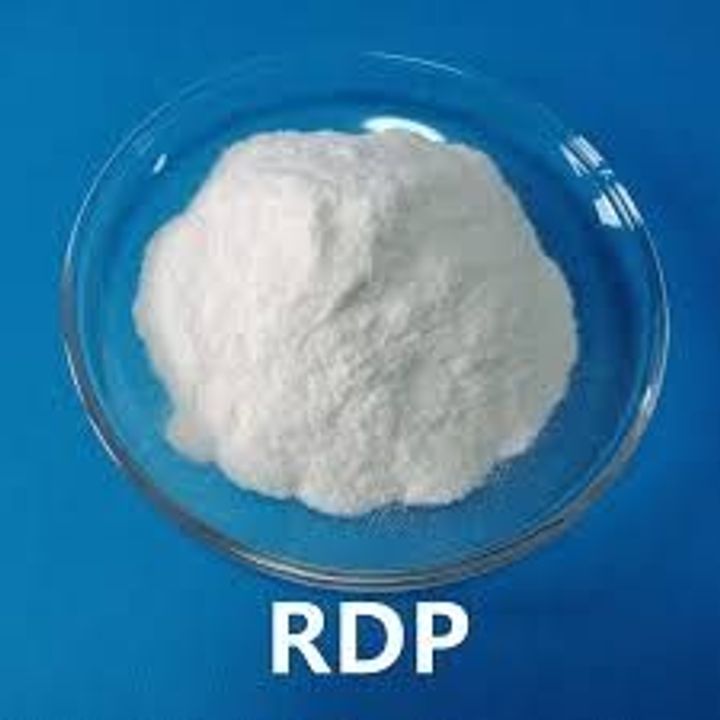
The construction industry is constantly evolving with new materials that enhance durability, flexibility, and efficiency. One such innovative material is Redispersible Polymer Powder (RDP), a versatile additive that plays a critical role in modern building applications. Used widely in tile adhesives, cement mortars, and wall putty, RDP has become essential for improving adhesion, flexibility, and crack resistance in cement-based products.
This powder is made by spray-drying polymer emulsions into fine particles that can easily redisperse in water. When mixed with cement or mortar, it creates a polymer film that strengthens the bond between surfaces, offering superior waterproofing and durability — essential in today’s demanding construction environments.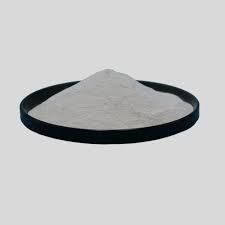
Importance of Redispersible Polymer Powder in Construction
RDP is vital for modern construction due to its multifunctional properties. It improves workability, adhesion, and impact resistance in cementitious mixtures. Builders and engineers rely on RDP to reduce shrinkage, prevent cracking, and increase elasticity in rigid materials.
From tile adhesives to self-leveling compounds, the addition of RDP ensures longer service life and better performance, especially in areas exposed to moisture, temperature changes, or mechanical stress.
How Redispersible Polymer Powder Works
When RDP is added to a water-based mixture, the polymer particles disperse uniformly and form a film after curing. This film integrates with cement hydration products, creating a flexible, cohesive matrix that resists stress and environmental damage.
This mechanism enhances adhesion between surfaces, minimizes water penetration, and improves chemical resistance — making RDP a preferred choice for both residential and commercial projects.
Types of Redispersible Polymer Powders
| Type | Base Polymer | Applications | Key Benefit |
|---|---|---|---|
| Vinyl Acetate Ethylene (VAE) | VAE | Tile adhesives, skim coats | Flexibility & adhesion |
| Vinyl Acetate Versatate (VA/VeoVa) | VA/VeoVa | Cement modification | Improved water resistance |
| Acrylic RDP | Acrylic | Wall putty, coatings | UV & weather resistance |
| Styrene-Butadiene (SBR) RDP | SBR | Repair mortars | High mechanical strength |
Key Features and Benefits
-
Improved Adhesion: Enhances bonding between cement and substrates.
-
Water Resistance: Creates a barrier that prevents moisture intrusion.
-
Crack Reduction: Provides flexibility, reducing shrinkage and cracking.
-
Increased Workability: Makes mortar smoother and easier to apply.
-
Durability: Extends the lifespan of tile adhesives, renders, and coatings.
-
Freeze-Thaw Stability: Ideal for structures exposed to temperature variations.
Applications in Construction
-
Tile Adhesives: Boosts adhesion strength and prevents tile detachment.
-
Wall Putty & Plasters: Provides smooth texture and crack-free finish.
-
Cement Modification: Enhances flexibility and bonding of cementitious mixes.
-
Self-Leveling Compounds: Ensures uniform surface leveling with high strength.
-
External Insulation Systems: Improves adhesion and weatherproofing of EIFS.
-
Grouts & Repair Mortars: Increases compressive strength and durability.
Manufacturing and Quality Standards
Leading RDP powder factories follow strict quality protocols. The production involves:
-
Spray Drying: Converts polymer emulsions into free-flowing powder.
-
Filtration and Sieving: Ensures uniform particle size and quality.
-
Moisture Control: Maintains low humidity for better shelf life.
-
Quality Testing: Verifies polymer content, pH balance, and redispersion properties.
Manufacturers often comply with ISO, EN, and ASTM standards to ensure global consistency and performance reliability.
Checklist for Selecting the Right RDP Powder
| Criteria | Why It Matters |
|---|---|
| Polymer Type | Determines flexibility and adhesion |
| Film-Forming Temperature | Impacts curing performance |
| Ash Content | Affects water retention and consistency |
| Compatibility | Must suit cement, gypsum, or lime-based mixes |
| Shelf Life | Ensures stable long-term storage |
Tips for Optimal Use
-
Always mix RDP with dry cement and sand before adding water.
-
Maintain proper ratios as per supplier recommendations.
-
Store powder in moisture-free conditions.
-
Avoid over-mixing to preserve polymer integrity.
-
Combine with compatible construction chemicals for best results.
Environmental Benefits
RDP supports sustainability by reducing the need for frequent repairs and replacements. Its ability to improve the performance of lightweight materials and reduce water absorption contributes to energy-efficient and durable buildings. Additionally, modern eco-friendly RDP formulations are free from harmful solvents or VOCs, aligning with green building standards.
FAQs
1. What is Redispersible Polymer Powder made from?
It is typically made from polymer emulsions like VAE, VA/VeoVa, or acrylic compounds that are spray-dried into powder form.
2. Can RDP be used with all cement types?
Yes, RDP is compatible with most cement-based materials, but selection depends on application and formulation.
3. Is RDP environmentally safe?
Modern RDP powders are formulated to be non-toxic, low-VOC, and eco-friendly.
4. What’s the typical dosage of RDP in tile adhesive?
Usually between 2–5% by weight, depending on required strength and flexibility.
5. Does RDP affect drying time?
Slightly, as it enhances water retention; however, it significantly improves curing and adhesion quality.
Conclusion
Redispersible Polymer Powder (RDP) has transformed the construction industry by providing flexibility, durability, and improved performance in cement-based applications. From tile adhesives to cement modification, it ensures high bonding strength, water resistance, and long-lasting results. As construction demands evolve, RDP continues to serve as a cornerstone additive in achieving superior quality, sustainable, and cost-effective building solutions.