Guide to Plastic Moulding Machines: Types, Functions, and Benefits
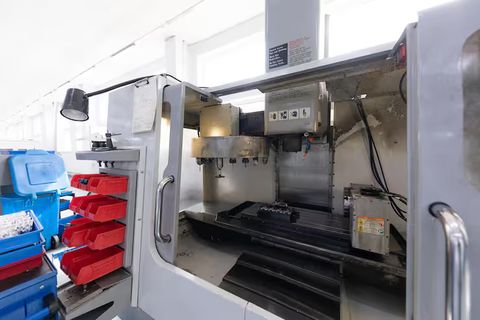
Plastic moulding machines are essential equipment used in the manufacturing of plastic components across industries such as automotive, electronics, packaging, and healthcare. These machines shape raw plastic materials—usually in pellet or powder form—into finished or semi-finished products using heat and pressure.
The process of plastic moulding emerged during the 19th century, initially using simple hand-operated presses. With technological advancement, modern moulding machines now operate with computer-controlled systems (CNC and PLC-based) to achieve precision, speed, and energy efficiency. The primary purpose of these machines is to produce consistent, high-quality plastic products that meet industrial and consumer needs.
Importance
Plastic moulding machines play a critical role in global manufacturing, enabling mass production of parts that are lightweight, durable, and cost-efficient. They are central to industries producing everything from packaging materials and electronic components to medical devices and household products.
Key Benefits:
-
High Efficiency: Enables large-scale production of identical parts.
-
Material Versatility: Works with a wide range of polymers such as polyethylene (PE), polypropylene (PP), and polyvinyl chloride (PVC).
-
Precision Manufacturing: Ensures accurate dimensions and surface finishes.
-
Reduced Waste: Advanced systems recycle and reuse materials efficiently.
-
Economic Value: Supports multiple industries with cost-effective production solutions.
Who It Affects:
-
Manufacturers: Use moulding technology to create customized products.
-
Design Engineers: Rely on moulding processes to convert designs into physical prototypes.
-
Consumers: Benefit from durable, affordable plastic products in daily life.
Recent Updates
The plastic moulding industry has seen notable advancements between 2024 and 2025, emphasizing sustainability, automation, and material innovation.
Key Trends and Developments
| Year | Trend/Update | Description |
|---|---|---|
| 2024 | Adoption of Electric Moulding Machines | Shift from hydraulic to fully electric systems for better precision, lower energy use, and cleaner operations. |
| 2024 | Biodegradable Polymers Integration | Increased use of plant-based or recycled materials to reduce carbon footprint. |
| 2025 | Industry 4.0 Integration | Smart sensors, data analytics, and remote monitoring are now part of modern moulding facilities. |
| 2025 | 3D Printing & Hybrid Moulding | Integration of additive manufacturing with injection moulding to enhance customization and reduce prototyping time. |
The industry is also responding to stricter environmental standards, promoting the circular economy through recycling programs and eco-friendly material design.
Laws or Policies
The plastic moulding industry operates under various environmental, safety, and quality regulations to ensure sustainable and safe production.
Key Regulations by Region:
| Region | Regulation | Objective |
|---|---|---|
| European Union | REACH & RoHS Directives | Restrict hazardous substances in manufacturing and promote environmental protection. |
| United States | EPA Plastic Waste Guidelines | Encourage recycling and limit single-use plastic production. |
| India | Plastic Waste Management Rules (PWM) 2016, updated in 2022 | Mandate producer responsibility for recycling and waste reduction. |
| Global Standards | ISO 20430:2020 for Injection Moulding Machines | Sets global safety and performance requirements for equipment. |
Manufacturers must comply with energy efficiency standards and adopt waste management systems aligned with these policies. The shift toward Extended Producer Responsibility (EPR) is also influencing production strategies worldwide.
Tools and Resources
Modern plastic moulding relies on advanced tools and digital platforms for efficiency, simulation, and quality assurance.
Useful Tools and Software:
-
Autodesk Moldflow: Simulation software for optimizing mould design and material flow.
-
SolidWorks Plastics: Assists engineers in evaluating mould performance and part quality.
-
Siemens NX Mold Design: Used for precision mould design and analysis.
-
MATLAB for Process Control: Supports data analysis and predictive maintenance in moulding systems.
-
Polymer Material Database (PolyInfo): Provides material data for selecting suitable plastics for different applications.
Industry Resources:
-
Plastics Industry Association (PLASTICS): Offers educational materials and regulatory updates.
-
Society of Plastics Engineers (SPE): Provides training and certification programs.
-
UNEP Plastic Innovation Platform: Shares insights on sustainable manufacturing initiatives.
These tools and platforms enhance operational accuracy, reduce downtime, and support innovation in plastic production.
FAQs
1. What is a plastic moulding machine?
A plastic moulding machine is equipment that shapes molten or softened plastic material into desired forms using heat, pressure, and moulds. The most common types include injection moulding, blow moulding, compression moulding, and rotational moulding machines.
2. What are the main types of plastic moulding machines?
-
Injection Moulding Machines: For making precision parts such as electronic casings or automotive components.
-
Blow Moulding Machines: Used for hollow products like bottles and containers.
-
Compression Moulding Machines: Ideal for high-strength parts, including electrical components.
-
Rotational Moulding Machines: Suitable for large hollow items like tanks and playground equipment.
-
Extrusion Moulding Machines: Used for continuous shapes like pipes and sheets.
3. How do plastic moulding machines work?
The process involves melting plastic pellets, injecting or pressing the molten material into a mould, cooling it to form a solid part, and then ejecting the finished product. Automation systems manage temperature, pressure, and cycle time for optimal results.
4. What safety measures are required while operating moulding machines?
Operators must follow safety protocols such as:
-
Regular equipment maintenance.
-
Use of protective gear (gloves, glasses).
-
Emergency stop mechanisms.
-
Proper training in machine handling and troubleshooting.
5. Are plastic moulding machines environmentally friendly?
Modern moulding systems are becoming more eco-friendly with energy-efficient electric drives, waste recycling systems, and the use of biodegradable or recycled materials.
Example Table: Comparison of Moulding Methods
| Moulding Type | Typical Products | Production Speed | Material Usage | Cost Efficiency |
|---|---|---|---|---|
| Injection Moulding | Automotive parts, electronics | High | Moderate | High |
| Blow Moulding | Bottles, containers | Medium | Low | Medium |
| Compression Moulding | Electrical parts, rubber items | Medium | High | Moderate |
| Rotational Moulding | Tanks, toys | Low | High | Medium |
| Extrusion Moulding | Pipes, sheets | Very High | Continuous | High |
Conclusion
Plastic moulding machines continue to drive innovation in manufacturing, combining automation, material science, and sustainable practices. From consumer goods to industrial applications, they remain vital in shaping modern life and enabling scalable, precise production.
With stricter environmental regulations and the adoption of smart technologies, the future of plastic moulding lies in eco-friendly materials, digital monitoring, and circular production systems.