Guide to Laser Cutting Machines: Insights, Strategies, and Mistakes to Avoid
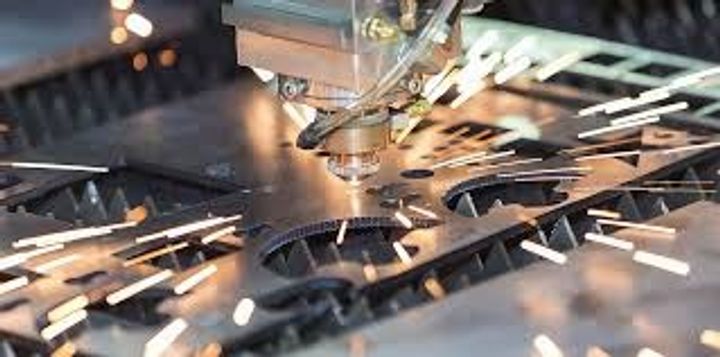
Laser cutting machines are tools that use a focused beam of light to cut, shape, or engrave materials. This technology originated from early developments in laser physics during the mid-20th century, when scientists discovered how concentrated light energy could interact with different surfaces. Over time, these machines became widely used in manufacturing, design, and fabrication due to their precision and adaptability.
Unlike traditional cutting methods that rely on mechanical force, laser cutting machines use thermal energy. The laser beam heats the material until it melts, burns, or vaporizes, creating clean and accurate cuts. These machines can work with materials such as metal, wood, plastic, glass, and textiles, making them suitable for a wide range of industries.
The growing demand for customization and efficiency has contributed to the popularity of laser cutting machines. From small workshops to large industrial facilities, they are now part of modern production systems. Understanding how they work and how to use them properly helps individuals and organizations make informed decisions about their applications.
Importance
Laser cutting machines play a significant role in modern manufacturing and creative industries. Their ability to produce precise cuts with minimal waste makes them valuable in environments where accuracy matters. Industries such as automotive, construction, electronics, and fashion rely on these machines for consistent results.
One of the main advantages is precision. Laser cutting allows for intricate designs that are difficult to achieve with manual tools. This is particularly useful in fields like jewelry design, signage, and prototyping. Another benefit is efficiency, as automated systems reduce manual intervention and improve productivity.
These machines also address practical challenges. For example, they reduce material wastage, which is important in industries dealing with expensive raw materials. They also improve safety by minimizing direct contact with cutting tools. In addition, laser cutting machines can handle complex shapes without requiring multiple tools, simplifying the production process.
For everyday users and small businesses, these machines provide opportunities to create customized products. Whether it is engraving, crafting, or small-scale manufacturing, laser cutting technology supports innovation and flexibility.
Recent Updates
Recent developments in laser cutting machines have focused on improving efficiency, automation, and environmental impact. One noticeable trend is the integration of smart technology. Many modern machines now include software that allows users to control cutting patterns digitally, reducing errors and improving consistency.
Another development is the advancement of fiber laser technology. Fiber lasers are more energy-efficient and require less maintenance compared to older CO2 laser systems. They are particularly effective for cutting metals and are increasingly used in industrial applications.
Automation has also become more common. Machines can now be integrated with robotic systems and conveyor setups, enabling continuous operation. This reduces manual handling and improves workflow in manufacturing environments.
Environmental considerations are also shaping the industry. Newer laser cutting machines are designed to reduce energy consumption and emissions. Improved filtration systems help manage fumes and particles generated during the cutting process.
The overall trend shows a shift toward smarter, more efficient, and environmentally conscious systems, making laser cutting machines more accessible and adaptable across different sectors.
Laws or Policies
The use of laser cutting machines is influenced by safety regulations and environmental guidelines in many countries. These rules are designed to protect users, workplaces, and the environment.
Workplace safety standards often require proper training for operators. Users must understand how to handle the equipment safely, including wearing protective gear such as safety glasses and ensuring proper ventilation. Regulatory bodies may also require machines to have safety features like emergency stop buttons and protective enclosures.
Environmental policies address the emissions produced during laser cutting. Cutting certain materials can release fumes or particles, so guidelines often require the use of filtration or extraction systems. This helps maintain air quality and reduces health risks.
In industrial settings, compliance with equipment standards is also important. Machines may need to meet specific technical requirements related to electrical systems, laser classification, and operational safety.
These regulations vary by region, but the general goal is to ensure safe and responsible use of laser cutting machines. Understanding these rules helps users operate within legal and safety boundaries.
Tools and Resources
Several tools and resources support the effective use of laser cutting machines. These tools help with design, operation, and maintenance.
Design software plays a key role. Programs such as vector graphic editors allow users to create cutting patterns. These designs are then converted into machine-readable formats. Examples include CAD (Computer-Aided Design) software and vector-based tools.
Simulation tools help users preview their designs before cutting. This reduces errors and saves material by identifying potential issues in advance.
Maintenance resources are also important. Many manufacturers provide user manuals and troubleshooting guides that explain how to maintain the machine and resolve common issues.
Below is a simple table showing common types of laser cutting machines and their typical uses:
| Machine Type | Suitable Materials | Common Applications |
|---|---|---|
| CO2 Laser | Wood, acrylic, glass | Engraving, signage, crafts |
| Fiber Laser | Metals (steel, aluminum) | Industrial cutting, fabrication |
| Diode Laser | Thin materials, plastics | Small projects, hobby use |
Online learning platforms and technical forums also provide useful information. These platforms share tutorials, user experiences, and troubleshooting advice, helping users improve their understanding of laser cutting machines.
FAQs
What are laser cutting machines used for?
Laser cutting machines are used to cut, engrave, or shape materials with high precision. They are commonly applied in manufacturing, design, and crafting industries.
How do laser cutting machines work?
They use a focused laser beam to heat and remove material. The process involves melting, burning, or vaporizing the material to create a clean cut.
Are laser cutting machines safe to use?
Yes, when used correctly. Safety measures such as protective gear, proper ventilation, and following operating guidelines are important to reduce risks.
What materials can laser cutting machines handle?
These machines can work with materials such as metal, wood, plastic, glass, and fabric. The type of machine determines the range of materials it can process.
What are common mistakes to avoid when using laser cutting machines?
Some common mistakes include incorrect material settings, poor maintenance, ignoring safety guidelines, and using unsuitable materials. Proper preparation and understanding of the machine can help prevent these issues.
Conclusion
Laser cutting machines have become an important part of modern production and design due to their precision and adaptability. They address challenges related to accuracy, efficiency, and material usage across various industries. Recent developments show a focus on smarter technology, automation, and environmental considerations. Understanding how these machines work, along with the rules and tools associated with them, helps users apply the technology effectively. Their continued development reflects the evolving needs of both industrial and creative fields.