Guide to Industrial Piping Systems: Design, Materials, Installation, and Maintenance
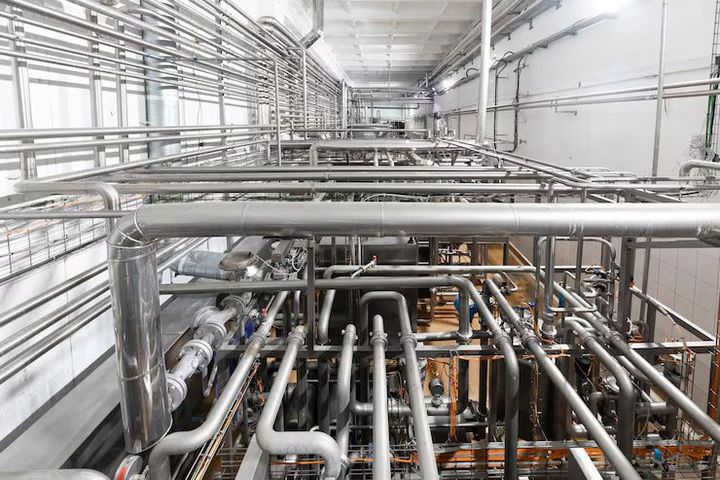
Industrial piping systems are structured networks of pipes, fittings, valves, and supports used to transport liquids, gases, and sometimes solids within industrial facilities. These systems are commonly found in sectors such as manufacturing, energy production, water treatment, chemical processing, and food production. A Guide to Industrial Piping Systems: Design, Materials, Installation, and Maintenance helps explain how these networks function and why they are essential for daily operations.
The concept of industrial piping has evolved alongside industrial development. Early systems were simple and limited in materials, but modern piping systems involve detailed planning, specialized materials, and strict safety considerations. Today, these systems are designed not only to move substances efficiently but also to meet environmental and regulatory requirements.
Understanding industrial piping systems involves looking at four key aspects: design, materials, installation, and maintenance. Each of these elements plays a role in ensuring that the system operates safely and reliably over time.
Importance
Industrial piping systems play a critical role in supporting infrastructure and production processes. They are used to transport water, oil, chemicals, steam, and other substances that are essential for various industries. Without properly designed piping systems, many industrial operations would not function effectively.
For everyday people, these systems impact access to utilities such as clean water, electricity, and fuel. For example, water supply systems rely on piping networks to deliver water from treatment facilities to homes. Similarly, power plants depend on piping systems to handle steam and cooling fluids.
Several challenges highlight the importance of proper piping system design and maintenance:
- Safety concerns: Poorly maintained piping systems can lead to leaks, pressure failures, or hazardous material release.
- Efficiency issues: Incorrect design or material selection can reduce flow efficiency and increase energy usage.
- Environmental impact: Leaks or corrosion can result in contamination of soil and water.
- Operational disruptions: Faults in piping systems may interrupt industrial processes and utility supply.
By addressing these challenges, industrial piping systems contribute to stable infrastructure and safer working environments.
Recent Updates
Recent developments in industrial piping systems reflect a growing focus on efficiency, sustainability, and digital monitoring. From 2024 to 2026, several trends have influenced how these systems are designed and managed.
One notable trend is the use of smart monitoring technologies. Sensors and digital tools are now integrated into piping systems to track pressure, temperature, and flow in real time. This allows early detection of potential issues and reduces unexpected failures.
Another development is the increased use of advanced materials. Composite pipes and corrosion-resistant alloys are becoming more common, especially in environments where traditional materials may degrade quickly. These materials help extend the lifespan of piping systems and reduce maintenance needs.
Automation has also improved installation processes. Prefabricated piping modules are being used more frequently, allowing for faster and more consistent assembly. This approach reduces on-site complexity and improves quality control.
Sustainability considerations are influencing system design as well. Industries are focusing on reducing leaks, improving insulation, and optimizing flow paths to minimize energy consumption and environmental impact.
Laws or Policies
Industrial piping systems are governed by various regulations and standards that ensure safety, environmental protection, and operational reliability. These rules vary by country but often follow internationally recognized frameworks.
In many regions, piping design and installation must comply with standards such as:
- ASME (American Society of Mechanical Engineers) codes, which provide guidelines for pressure piping systems.
- ISO (International Organization for Standardization) standards, which cover materials, testing, and system performance.
- Local safety regulations that define inspection intervals, pressure limits, and safety procedures.
Environmental policies also influence piping systems, particularly in industries handling hazardous substances. Regulations may require leak detection systems, proper waste handling, and regular inspections to prevent contamination.
Workplace safety laws often mandate training, protective measures, and documentation for workers involved in installation and maintenance. These policies aim to reduce risks associated with high-pressure systems and hazardous materials.
Compliance with these regulations helps ensure that industrial piping systems operate within acceptable safety and environmental limits.
Tools and Resources
Designing, installing, and maintaining industrial piping systems requires a combination of technical tools and reference materials. These resources help engineers and technicians plan systems accurately and manage them effectively.
Common tools and resources include:
- Design software: Computer-aided design (CAD) platforms such as AutoCAD Plant 3D and similar tools help create detailed piping layouts and simulations.
- Flow calculation tools: These tools estimate flow rates, pressure drops, and pipe sizing requirements.
- Material selection guides: Reference charts and databases provide information on material properties, corrosion resistance, and compatibility.
- Inspection tools: Devices such as ultrasonic thickness gauges and leak detection equipment help assess system condition.
- Documentation templates: Standardized forms for maintenance records, inspection reports, and system diagrams.
Below is a simple table showing common piping materials and their typical uses:
| Material Type | Common Use Cases | Key Characteristics |
|---|---|---|
| Carbon Steel | Oil, gas, and steam systems | Strong, widely used, moderate corrosion resistance |
| Stainless Steel | Food, chemical processing | Corrosion-resistant, hygienic |
| PVC (Plastic) | Water distribution and drainage | Lightweight, resistant to chemicals |
| Copper | Plumbing and heat transfer | Good thermal conductivity |
| Composite Materials | Chemical and offshore applications | High corrosion resistance, lightweight |
These tools and resources support better decision-making across all stages of industrial piping systems.
FAQs
What are industrial piping systems used for?
Industrial piping systems are used to transport liquids, gases, and sometimes solids within industrial facilities such as factories, power plants, and water treatment units.
What materials are commonly used in industrial piping systems?
Common materials include carbon steel, stainless steel, plastic (such as PVC), copper, and composite materials. The choice depends on factors like temperature, pressure, and the type of fluid being transported.
How does industrial piping system design affect performance?
Industrial piping system design influences flow efficiency, safety, and durability. Proper design ensures that the system can handle pressure and temperature conditions while minimizing energy loss.
What is involved in industrial piping system maintenance?
Maintenance includes regular inspection, cleaning, leak detection, corrosion control, and replacement of worn components. These activities help maintain safe and efficient operation.
Why is material selection important in a Guide to Industrial Piping Systems: Design, Materials, Installation, and Maintenance?
Material selection determines how well the piping system can withstand environmental conditions, chemical exposure, and mechanical stress, directly affecting its lifespan and reliability.
Conclusion
Industrial piping systems are essential components of modern infrastructure, enabling the movement of critical resources across industries. Their design, material selection, installation, and maintenance all contribute to safe and efficient operation. Advances in technology and materials continue to improve system performance and monitoring. Regulations and standards help maintain safety and environmental responsibility. Understanding these systems provides insight into how many essential processes function in daily life.