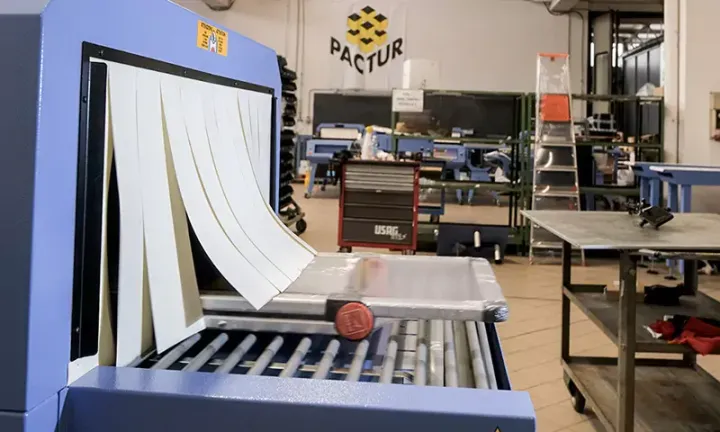
Guide to Heat Shrink Tunnels – Technology, Uses, and Industrial Applications
Heat shrink tunnels play a critical role in modern packaging and production lines. These machines apply heat to shrink plastic film tightly around products, creating a sealed, tamper-proof, and visually appealing package. Whether it’s a food item, electronic device, or pharmaceutical product, heat shrink tunnels ensure consistency, safety, and professional presentation.
In industries where packaging speed and reliability matter, heat shrink tunnels are indispensable. From compact tabletop units to high-speed automated systems, these machines are designed to meet different levels of production demand — ensuring both protection and branding excellence.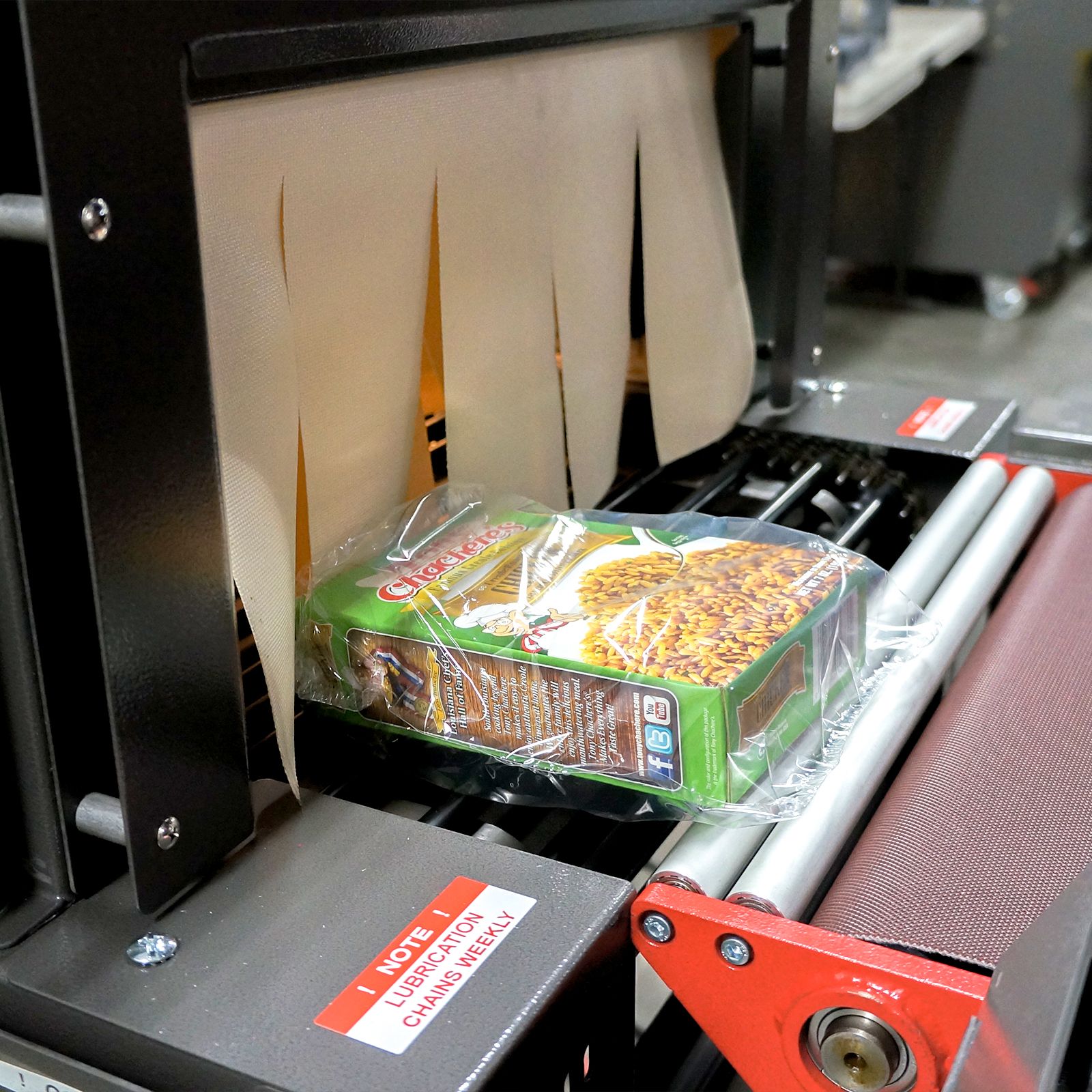
Importance
Heat shrink tunnels enhance both functionality and efficiency in packaging. They not only secure products from dust, moisture, and contamination but also add a polished look to consumer goods. Businesses in food, cosmetics, and logistics sectors rely on shrink tunnels to maintain quality during storage and transportation.
Beyond aesthetics, these machines also help reduce packaging material waste and operational costs. By using uniform heat distribution, they deliver consistent shrink results, improving throughput and minimizing human intervention.
Recent Updates
The packaging industry is evolving rapidly, and heat shrink tunnels are part of this transformation. Here are some of the latest developments:
-
Energy-Efficient Systems: New models use infrared and hot-air hybrid systems to cut energy costs by up to 30%.
-
Smart Controls: Digital temperature and conveyor speed settings ensure precise operations.
-
Compact Modular Designs: Easier integration into existing packaging lines.
-
Eco-Friendly Films: Compatibility with recyclable and biodegradable shrink wraps.
-
Automation and IoT Monitoring: Remote diagnostics and maintenance through connected control systems.
Types of Heat Shrink Tunnels
| Type | Key Feature | Best For |
|---|---|---|
| Infrared Shrink Tunnel | Uses radiation heating for uniform results | Food and beverage packaging |
| Hot Air Shrink Tunnel | Circulates heated air evenly | Multipack consumer goods |
| Steam Shrink Tunnel | Provides moisture-based heating | Beverage labels and pharmaceutical bottles |
| Compact Tabletop Tunnel | Space-saving, low-power units | Small-scale and lab applications |
| Automatic Conveyor Tunnel | Integrates into production lines | High-volume industrial packaging |
Key Features
-
Adjustable Temperature Control: Customizable heat settings to match film thickness and material type.
-
Conveyor Speed Regulation: Ensures consistent shrink rates for different package sizes.
-
Insulated Chamber Design: Reduces heat loss and improves energy efficiency.
-
Stainless Steel Construction: Long-lasting, corrosion-resistant build.
-
Safety Mechanisms: Emergency stop, thermal protection, and cool-down systems.
Applications
Heat shrink tunnels are widely used across various industries:
-
Food and Beverage: For sealing bottles, trays, and ready-to-eat packs.
-
Pharmaceuticals: For tamper-evident labeling and sterile packaging.
-
Electronics: To protect devices and accessories from dust and moisture.
-
Cosmetics and Personal Care: For premium packaging with brand labeling.
-
Logistics: For bundling and securing goods during transport.
Benefits
-
Protects products during handling and shipment.
-
Enhances brand appeal through clear, tight packaging.
-
Compatible with recyclable shrink films.
-
Reduces labor cost with automatic operations.
-
Enables scalability in production.
Maintenance and Safety Tips
-
Regularly clean conveyor belts and heating elements.
-
Check sensors and air vents for blockage.
-
Inspect electrical components for wear or corrosion.
-
Use compatible shrink film materials only.
-
Maintain temperature logs for consistent operation.
Proper maintenance extends machine life and ensures consistent packaging quality.
FAQs
1. What materials are used in heat shrink tunnels?
Most tunnels use polyolefin, PVC, or PET-based films depending on product type and heat tolerance.
2. Can shrink tunnels handle different package sizes?
Yes, adjustable conveyors and chamber heights allow flexibility in packaging various dimensions.
3. Are heat shrink tunnels energy-intensive?
Modern models are designed for energy efficiency with smart insulation and controlled airflow.
4. What’s the difference between hot air and steam tunnels?
Hot air tunnels use dry heat, while steam tunnels use moist heat, which provides smoother shrink for curved or labeled bottles.
5. How long do heat shrink tunnels last?
With regular maintenance, industrial-grade tunnels can last over 8–10 years.
Conclusion
Heat shrink tunnels are vital for businesses that prioritize efficient, sustainable, and professional packaging. From enhancing product appeal to ensuring safety compliance, these systems bridge the gap between automation and quality control. With newer models integrating IoT and energy-saving technologies, shrink packaging is becoming smarter, greener, and more adaptable than ever.