Guide to Fleet Fueling Solutions: Strategies, Systems, and Alternative Fuels
Fuel is one of the largest recurring costs for fleet operations—whether in logistics, delivery, service vehicles, or heavy-duty equipment. Fleet fueling solutions encompass the strategies, systems, and technologies that companies deploy to manage fuel acquisition, dispensing, tracking, and consumption. From fuel cards to on-site dispensing systems, and from conventional diesel to alternative fuels like biodiesel or CNG, the fueling component is becoming a strategic lever for operational efficiency.
In a climate of rising fuel prices, tighter emissions regulations, and increasing pressure to optimize every expense line, fleet managers are turning to integrated solutions that combine hardware, software, and process optimization. Effective fueling solutions not only reduce cost but also support sustainability goals and operational transparency.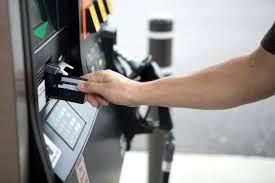
Importance
Managing fuel well in a fleet context matters for several reasons:
-
Cost Control: Fuel often accounts for a significant share of variable operating costs, so even small savings add up.
-
Operational Efficiency: Reducing unnecessary fueling stops, fuel theft, over-consumption, and idle time all support smoother operations.
-
Compliance & Sustainability: Tracking fuel transactions, managing alternative fuels, and reducing emissions are increasingly linked to regulatory and environmental goals.
-
Data Visibility: Modern systems provide real-time insights into who fueled what, where, and when—supporting accountability and decision-making.
Latest Trends & Updates
In 2025, several developments are reshaping fleet fueling solutions:
-
Cloud-based fuel management platforms that integrate with telematics, driver behavior data, and route analytics.
-
Growing adoption of on-site or mobile bulk fueling systems that service yards, remote equipment locations, and job sites directly.
-
Expansion of alternative fuel options—such as CNG, biodiesel blends, hydrogen rolling out in certain fleets—which require new fueling infrastructure and tracking systems.
-
Fuel cards evolving into smarter tools with robust controls, geofencing, and purchase limits, supporting fleet compliance and theft prevention.
-
Enhanced driver coaching and analytics linking fuel usage to driving patterns like idling, aggressive acceleration, or inefficient routes.
Key Fueling Solution Types
Here’s a breakdown of common fleet fueling approaches:
| Type | Description | When It’s Best |
|---|---|---|
| Fuel Cards | Payment cards for station purchases with controls and reporting | Fleets operating on public fuel networks |
| On-site Bulk Fuel / Mobile Delivery | Fuel delivered to depot or job site; private dispensing | Large fleets, remote sites, or where public station access is limited |
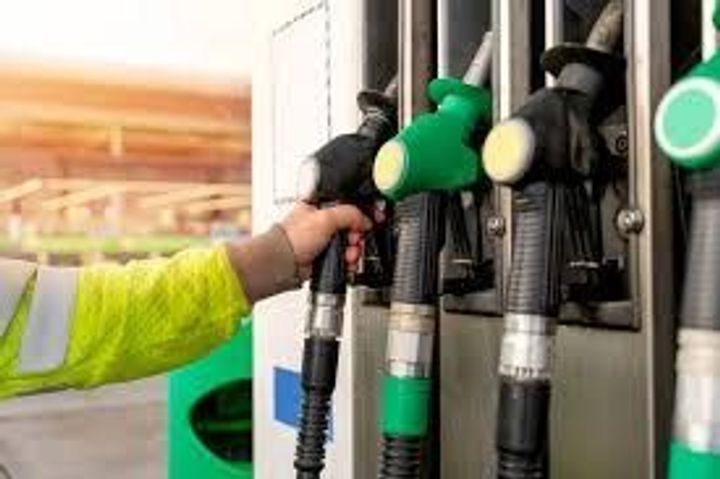
| Depot-Owned Fueling Stations | Fleet owns or controls the fueling site, with dedicated dispensers and monitoring | High-volume operations with centralized yards |
| Alternative Fuel Infrastructure | Dedicated fueling for CNG, biodiesel, hydrogen, or electric charging | Fleets transitioning to low-emission or future-proof fuels |
How Fleet Fueling Solutions Work
A modern fueling solution typically involves:
-
Fuel Acquisition and Access Control: Fuel cards or access-controlled dispensers are configured with driver/vehicle IDs.
-
Fuel Dispensing & Data Capture: Every transaction records who, when, where, vehicle/odometer, fuel type, and volume.
-
Integration with Telematics / Fleet Systems: Fuel data is synced with vehicle usage, routes, driver behavior, and maintenance systems.
-
Analytics & Reporting: Dashboards surface fuel consumption trends, idling, theft risk, and route-fuel efficiency.
-
Decision Support & Route Optimization: Using data to adjust fueling strategy, vehicle allocation, alternative fuel adoption, and driver training.
Best Practices for Implementing Fleet Fueling Solutions
-
Establish Clear Access Controls: Ensure only authorized drivers, vehicles, and fuel types are valid.
-
Integrate with Telematics and Maintenance Systems: Linking fuel usage to vehicle health and driver behavior enhances insight.
-
Monitor Idle Time & Driving Behavior: Unused engine time and inefficient driving directly increase fuel spend.
-
Consider On-site Fueling for Large Yards or Remote Sites: This reduces travel to external stations and improves turnaround.
-
Evaluate Alternative Fuels Strategically: Examine infrastructure, vehicle compatibility, and total cost of ownership.
-
Use Fuel Cards Wisely: Set purchase limits, track location and volume, and review routinely for misuse.
-
Review Monthly Metrics: Fuel per mile, fuel per route, fuel per driver, anomalies, and trends.
-
Plan for Scalability: Your fueling system should support growth, new fuel types, and geographic expansion.
Checklist Before Choosing a Fueling Solution
| Factor | What to Check |
|---|---|
| Coverage & Access | Are stations or delivery options adequate for your routes and needs? |
| Data & Integration | Does the system integrate with fleet telematics, ERP, or maintenance tools? |
| Fuel Type Flexibility | Can it handle current and future fuel types (diesel, biodiesel, CNG, etc.)? |
| Security & Controls | Access authorization, fraud detection, purchase limits? |
| Reporting & Benchmarking | Are detailed reports available for fuel metrics, driver behavior, and idle time? |
| Cost of Ownership | Upfront setup cost, recurring fees, maintenance, integrations? |
| Scalability | Will the solution scale with fleet size, geographic expansion, or new fuel types? |
FAQs
Q1. What is a fleet fuel management system?
It’s a system combining hardware, software, and process controls that monitor and manage fuel transactions, consumption, theft risk, and reporting—tailored for fleets.
Q2. How can fueling solutions help reduce fuel theft?
By tracking each transaction per driver or vehicle, combining odometer or engine data, setting purchase limits, and flagging anomalies in real time.
Q3. Are alternative fuels part of fleet fueling solutions?
Yes. As fleets adopt hybrid vehicles or alternative fuel vehicles, infrastructure and management systems need to support fuels beyond conventional diesel or petrol.
Q4. What metrics should fleet managers track?
Fuel consumption per mile/km, idle time, fuel cost per vehicle or route, fuel volume per driver, and variance from baseline benchmarks.
Q5. Can on-site fueling be more cost-effective than public stations?
Yes—especially for large fleets with centralized operations, as on-site fueling reduces off-route travel and external markup on fuel purchases.
Conclusion
Effective fleet fueling solutions are no longer just an operational convenience—they’re a strategic asset. By combining fuel cards, on-site fueling, telematics integration, and alternative fuel readiness, fleet managers can transform one of the largest cost lines into a source of insight, efficiency, and sustainability.
As fleet size grows, routes diversify, and fuel options evolve, the right fueling strategy will support future-ready operations, improved cost control, and competitive advantage.