Guide to Fiber Optic Technology: Enhancing Security, Speed, and Global Connectivity
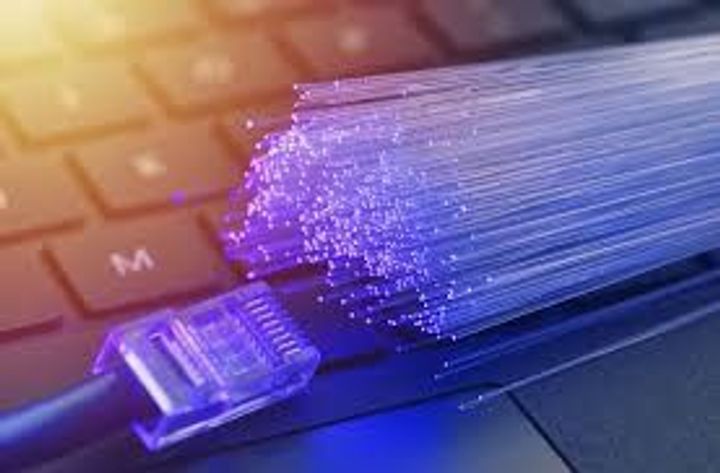
Fiber optic technology has revolutionized global communication, data transfer, and industrial precision. Built on strands of glass or plastic as thin as human hair, optical fibers transmit data as light signals — faster and more securely than traditional copper cables. From powering internet backbones to laser manufacturing and security systems, fiber optics has become the silent engine of the modern world.
As industries shift toward high-speed connectivity and low-latency communication, fiber optics offers unparalleled reliability and bandwidth for data centers, enterprises, and smart infrastructure.

The Importance of Fiber Optic Technology
Fiber optics has redefined how data is sent and received. Here are key reasons why it’s vital across sectors:
-
Ultra-High Speed: Enables data transmission at nearly the speed of light, ideal for real-time streaming and cloud computing.
-
Enhanced Security: Optical fibers are difficult to tap or intercept, ensuring greater data protection.
-
Low Signal Loss: Maintains data integrity even across long distances.
-
Future-Proof Infrastructure: Supports 5G networks, IoT devices, and large-scale data systems.
-
Sustainability: Fiber consumes less energy compared to copper, making it environmentally friendly.
Applications of Fiber Optic Technology
| Sector | Application | Benefit |
|---|---|---|
| Telecommunications | Internet backbones, data centers | Faster and clearer data transmission |
| Industrial Automation | Laser cutting, welding | High precision and durability |
| Medical Field | Endoscopy, diagnostics | Non-invasive and accurate imaging |
| Defense & Security | Surveillance, secure communications | Tamper-proof and real-time monitoring |
| Energy Sector | Pipeline monitoring | Instant fault detection and control |
Fibre Optic Security Systems
Fiber optic cables play a crucial role in modern security infrastructure. Unlike traditional metal wires, they are immune to electromagnetic interference and eavesdropping.
Applications in security include:
-
Perimeter Intrusion Detection: Fiber cables detect vibrations and intrusions along fences or borders.
-
Data Center Security: Secure, encrypted communication between servers and networks.
-
Smart Surveillance Systems: Integration with AI for real-time monitoring and alerts.
Leading fiber optic security systems are used in airports, defense facilities, smart cities, and large enterprises that demand uninterrupted and private communication.
Optical Fiber Broadband: The Backbone of Digital India
Optical fibre broadband is the foundation of high-speed internet infrastructure. It enables 1 Gbps+ connections with minimal latency, ideal for remote work, online education, gaming, and smart home systems.
Advantages of Fiber Broadband
-
Consistent speeds even during peak hours
-
Resistant to weather-related disruptions
-
Low latency for VoIP, streaming, and video calls
-
Easy scalability for future bandwidth upgrades
In India, cities like Bangalore, Delhi NCR, and Hyderabad are rapidly expanding optical fiber broadband networks under government and private initiatives.
Top American Fiber Optic Companies in 2025
The U.S. remains at the forefront of global fiber optic innovation. Here are some leading American fiber optic companies:
| Company | Specialization | Key Contribution |
|---|---|---|
| Corning Inc. | Glass fiber & cables | Pioneered low-loss optical fiber technology |
| CommScope | Network infrastructure | Develops advanced fiber broadband systems |
| Prysmian Group USA | Industrial & telecom cabling | Large-scale fiber network deployment |
| Lumentum | Optical components | High-performance photonics and laser solutions |
| OFS (A Furukawa Company) | Optical fiber products | Known for sustainable fiber designs |
These companies are essential to industries such as aerospace, healthcare, and smart infrastructure, ensuring reliable data flow and next-gen innovation.
Leading Fiber Laser Manufacturers
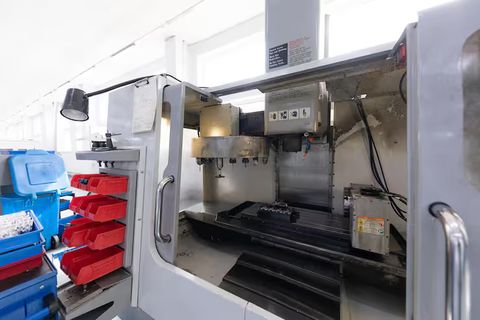
Fiber laser technology, derived from optical fibers, is transforming industrial manufacturing. It provides high precision, low maintenance, and energy-efficient laser processing solutions.
Top Global Fiber Laser Manufacturers:
-
IPG Photonics (USA): Industry leader in high-power fiber lasers for metal processing.
-
Trumpf (Germany): Offers laser systems for automotive and aerospace sectors.
-
Coherent Corp.: Supplies fiber laser modules and optical components for defense and research.
-
Raycus (China): Provides cost-effective laser solutions for industrial use.
-
nLIGHT (USA): Specializes in semiconductor-based fiber lasers for advanced applications.
These manufacturers continue to push the boundaries of industrial laser precision, enabling cleaner, faster, and more sustainable production.
Emerging Trends in Fiber Optic Technology
The fiber optic landscape is evolving rapidly, with new innovations shaping the future:
-
Quantum Communication: Using photons for ultra-secure transmission.
-
5G Fiber Backhaul: Supporting the massive data demands of 5G networks.
-
Smart Cities: Fiber-enabled IoT infrastructure connecting transportation, healthcare, and utilities.
-
Green Fiber Manufacturing: Reduced carbon footprint through sustainable materials.
-
AI-Driven Network Management: Self-healing networks that detect and resolve faults automatically.
Checklist: Choosing the Right Fiber Optic Partner
When selecting a fiber optic company or broadband provider, consider the following:
| Factor | What to Check |
|---|---|
| Network Coverage | Pan-India or regional availability |
| Speed & Bandwidth | Minimum 100 Mbps to 1 Gbps |
| Security Features | Data encryption and intrusion prevention |
| Scalability | Ability to expand network infrastructure |
| Customer Support | 24/7 assistance and service reliability |
Practical Tips for Businesses
-
Plan for Scalability: Choose fiber networks that can support future growth.
-
Combine with Cloud Systems: Maximize connectivity with cloud-based data management.
-
Invest in Redundancy: Dual-path fiber ensures uptime during outages.
-
Regular Maintenance: Periodic inspection improves performance and security.
-
Opt for Local Expertise: Work with certified regional or American fiber optic companies for reliability.
Conclusion
Fiber optic technology has moved far beyond telecom — it now defines security, industrial efficiency, and digital connectivity. From optical fiber broadband in smart cities to fiber lasers in manufacturing, the applications are limitless.
As the world becomes more data-driven, investing in fiber infrastructure and security tools ensures not just faster communication but a sustainable and secure digital future.