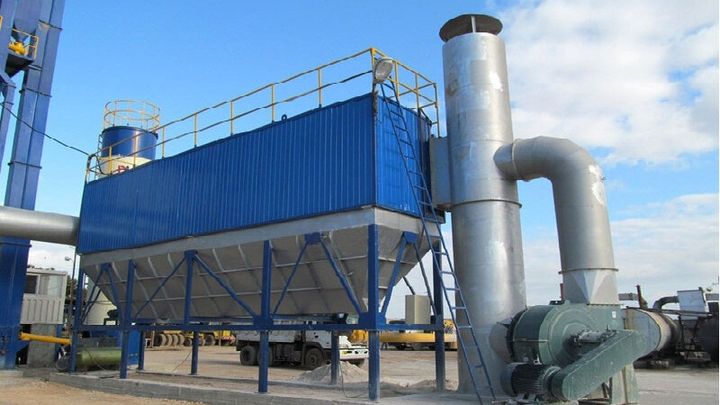
Guide to Dust Collectors: Essential Solutions for Cleaner & Safer Work Environments
Dust collectors are specialized systems used in industries to capture airborne particles, fumes, and dust generated during processes like grinding, welding, woodworking, and mining. They prevent harmful contaminants from circulating in the air, ensuring cleaner and safer environments for workers and machinery.
As workplaces modernize, the need to control dust is no longer optional—it is a requirement for both health protection and regulatory compliance.
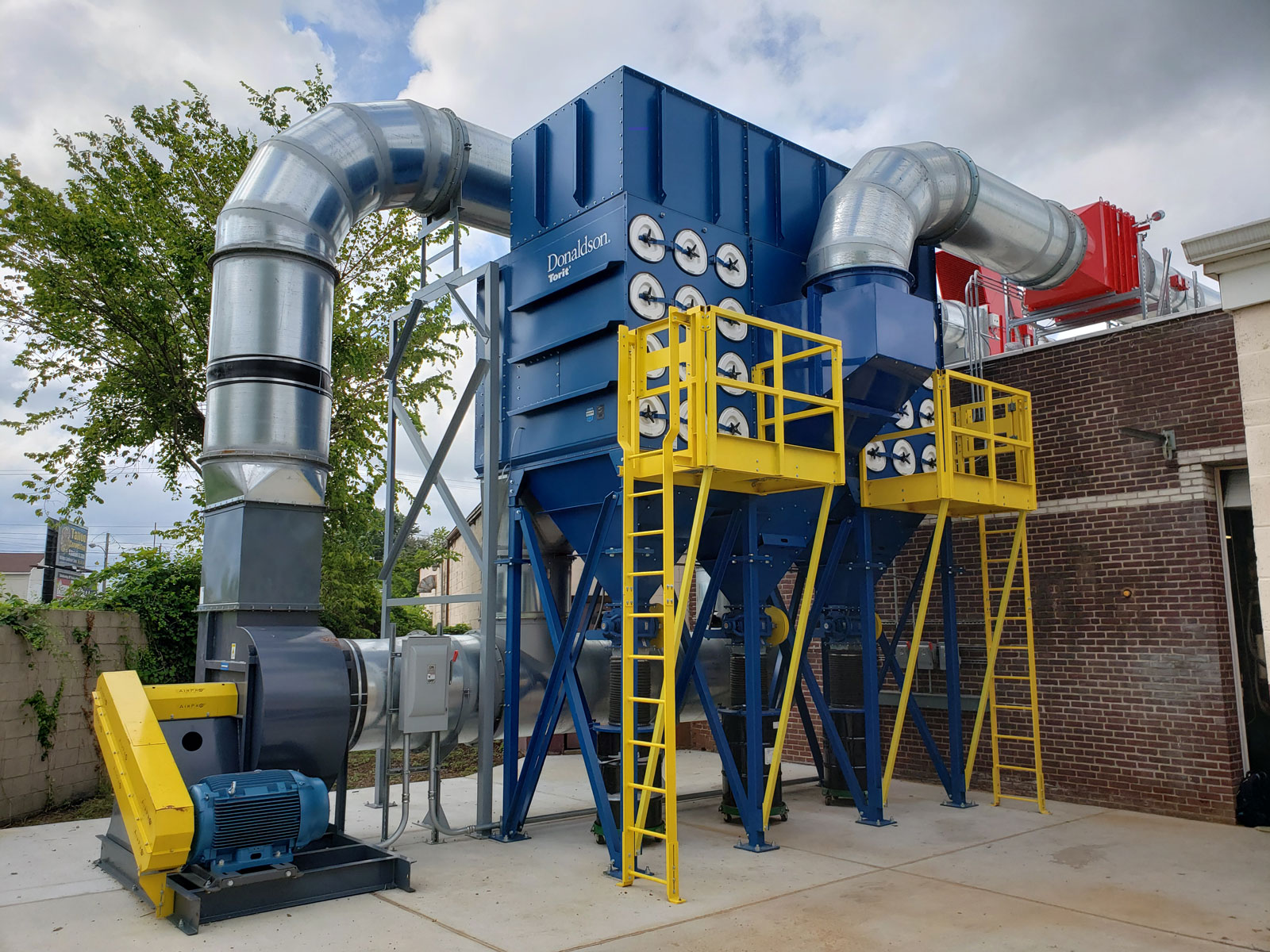
Importance: Why Dust Collectors Matter Today
Dust in industrial settings is not just an inconvenience. It poses risks that affect multiple areas:
-
Worker Health: Prolonged exposure to fine dust can cause respiratory diseases such as asthma, bronchitis, or even long-term lung damage.
-
Workplace Safety: Certain dusts, like fine wood or metal powders, are combustible and can cause fires or explosions.
-
Equipment Maintenance: Accumulated dust accelerates wear and clogging in machinery, leading to downtime and higher repair costs.
-
Regulatory Standards: Governments enforce strict air quality and emission rules; compliance is essential to avoid penalties.
-
Productivity & Quality: A clean environment boosts efficiency, reduces sick days, and minimizes contamination in sensitive industries like pharmaceuticals and food processing.
Recent Updates and Trends in Dust Collection (2024–2025)
The dust collection market has seen several recent developments:
-
Smart Monitoring Systems (2024): Many companies now integrate IoT sensors into dust collectors. These devices track airflow, filter pressure, and particle levels in real time.
-
Energy Efficiency Improvements: With rising energy costs, manufacturers focus on low-power fans and optimized ducting systems to cut operating costs.
-
Stricter Combustible Dust Standards (2025): Regulatory bodies in the US, EU, and Asia introduced new fire and explosion safety guidelines for industries handling combustible powders.
-
Sustainability Drive: Companies are designing recyclable filters and systems that reduce waste while maintaining high efficiency.
-
Portable and Modular Units: Growing demand from small workshops and remote sites has boosted the adoption of compact, mobile dust collectors.
Laws and Policies Affecting Dust Collectors
Dust management is guided by national and international regulations:
-
Occupational Safety and Health Administration (OSHA, USA): Sets exposure limits for airborne particulates.
-
National Fire Protection Association (NFPA): Defines combustible dust safety standards (NFPA 652, NFPA 654).
-
European Union Directives: EN standards regulate workplace air quality and emissions.
-
Environmental Protection Agencies: Many countries regulate dust emissions as part of clean air acts.
-
Local Permits and Inspections: Businesses often require environmental permits and undergo inspections to confirm compliance.
Adhering to these laws not only protects workers but also ensures business continuity by avoiding fines and shutdowns.
Types of Dust Collectors
-
Baghouse Collectors: Use fabric filter bags to capture fine dry dust. Common in cement, metal, and power industries.
-
Cartridge Collectors: Compact systems with pleated filters, best for fine dust and limited spaces.
-
Cyclone Collectors: Remove large or heavy particles through centrifugal force, often as a pre-filter system.
-
Wet Scrubbers: Trap dust and gas using water or liquid sprays, ideal for sticky or chemical particulates.
-
Portable Dust Collectors: Mobile systems used in small shops, welding stations, or temporary sites.
-
Fume Extractors: Specialized for welding smoke, chemical vapors, or fine particulate matter.
How Dust Collectors Work
-
Dust Capture – Airborne dust is collected from the source via ducts, capture arms, or hoods.
-
Airflow & Transport – Fans move the dust-laden air through the system.
-
Filtration – Dust is separated using filters, cartridges, cyclones, or liquid scrubbers.
-
Dust Disposal – Captured particles settle in hoppers or bins for safe disposal or recycling.
-
Clean Air Release – Filtered air is released back into the environment or outdoors.
Benefits of Dust Collectors
-
Improved air quality and worker health
-
Fire and explosion risk reduction
-
Lower equipment maintenance costs
-
Compliance with air quality and emissions regulations
-
Enhanced workplace productivity and morale
Challenges and Limitations
-
High Initial Investment: Advanced dust systems can be costly to install.
-
Maintenance Needs: Filters require regular cleaning or replacement.
-
Energy Consumption: Large systems may raise electricity usage.
-
Dust Disposal: Safe handling and disposal of collected dust may involve additional costs.
-
Customization Requirements: Different industries need tailored systems for specific dust types.
Best Practices for Selecting a Dust Collector
-
Assess dust type: Is it fine, coarse, sticky, or combustible?
-
Match airflow capacity with workplace size and dust generation.
-
Choose durable filter media for long-lasting performance.
-
Include fire and explosion protection for hazardous dust.
-
Opt for systems with easy filter cleaning and monitoring sensors.
-
Plan for safe dust storage and disposal.
Practical Checklist for Dust Collector Maintenance
| Task | Frequency |
|---|---|
| Inspect filters | Weekly |
| Clean filters (pulse/shake) | As needed (1–3 months) |
| Check ducting for leaks | Monthly |
| Inspect hoppers and bins | Weekly |
| Test airflow & pressure | Monthly |
| Replace worn filter media | 6–12 months |
FAQs
Q: What industries need dust collectors the most?
Industries like woodworking, metal fabrication, mining, food processing, cement production, and pharmaceuticals rely heavily on dust collectors.
Q: Can dust collectors handle toxic fumes or gases?
Standard collectors focus on particles. For toxic fumes or volatile gases, additional equipment like fume extractors or scrubbers is needed.
Q: Are portable dust collectors effective?
Yes, they work well for smaller shops or temporary tasks, but fixed systems are better for large, continuous operations.
Q: How often should filters be replaced?
Typically every 6–12 months, depending on dust load, operating hours, and filter type.
Q: Do dust collectors save money long term?
Yes. While initial costs can be high, they reduce equipment wear, regulatory fines, and worker health issues—resulting in overall cost savings.
Conclusion
Dust collectors are more than industrial accessories—they are essential safety systems. By controlling airborne particles, they protect workers, improve workplace safety, reduce maintenance costs, and ensure compliance with environmental laws.
For businesses, adopting dust collection is not just a legal obligation but a strategic investment in productivity, health, and sustainability.