Guide to Coal Crushing Machines: Industrial Solutions for Efficient Coal Processing
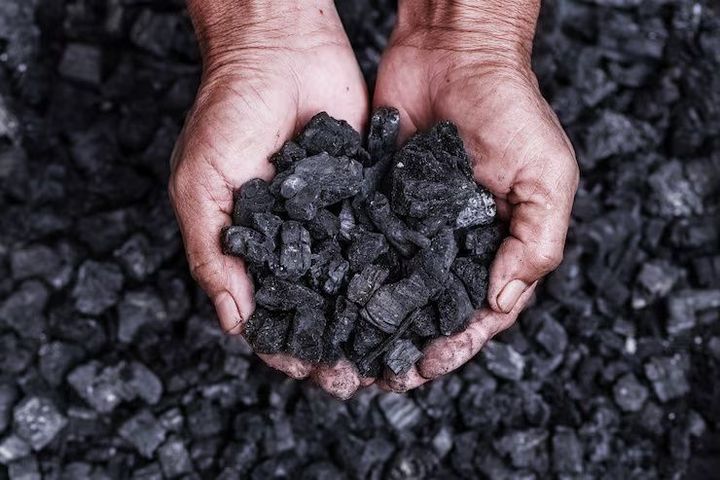
Coal crushing is a fundamental step in coal processing, transforming large chunks of raw coal into smaller, uniform sizes suitable for combustion or further processing. Industries such as power generation, cement production, steel manufacturing, and chemical processing rely on industrial coal crushers to ensure optimal material preparation and energy efficiency.
Coal crushing machines are designed for high capacity, durability, and consistent output, enabling smooth downstream operations like pulverizing, screening, and washing.
Why Efficient Coal Crushing Matters
-
Optimized Combustion: Uniform particle size allows complete fuel burning, improving thermal efficiency.
-
Reduced Wear and Tear: Proper crushing minimizes damage to conveyors, feeders, and grinders.
-
Lower Operational Costs: Automated crushers reduce labor and maintenance expenses.
-
Enhanced Output Quality: Consistent size and shape improve processing efficiency.
-
Environmental Benefits: Controlled crushing reduces dust emissions and waste.
Types of Industrial Coal Crushing Machines
Different types of coal crushers are used depending on material hardness, size, and production volume.
| Type | Description | Applications |
|---|---|---|
| Primary Coal Crusher | Used for initial crushing of raw coal | Power plants, mining sites |
| Secondary Crusher | Further reduces coal size for processing | Refineries, coking plants |
| Hammer Mill Coal Crusher | Uses hammers to break coal by impact | Industrial boilers, cement kilns |
| Roll Crusher | Compresses coal between rotating cylinders | Coal preparation plants |
| Jaw Crusher | Applies pressure using two jaws | Mining, small-scale crushing |
| Impact Crusher | Uses rapid blows for fine crushing | Processing high-moisture coal |
| Ring Granulator | Delivers uniform particle sizes | Thermal power stations |
Key Components of a Coal Crushing System
-
Feed Hopper: Controls the rate of material entry.
-
Crusher Chamber: Houses the crushing mechanism (hammers, rollers, or jaws).
-
Drive System: Powered by electric motors or hydraulic units.
-
Discharge Conveyor: Transports processed coal to storage or screening systems.
-
Dust Collection Unit: Minimizes airborne particulate emissions.
Coal Crushing Technology Advancements
Modern coal crushing technology integrates automation, digital control, and advanced metallurgy to improve reliability and performance.
1. Automated Control Systems
Sensors monitor feed rate, vibration, and temperature for consistent performance.
2. Wear-Resistant Materials
Hardened steel, tungsten carbide, and ceramic coatings extend machine lifespan.
3. Variable Speed Drives (VSDs)
Allow dynamic control over crushing intensity based on coal type.
4. Noise and Dust Reduction
Enclosures, suppression systems, and anti-vibration mounts enhance operator safety.
5. Energy Efficiency
Smart motors and optimized crusher geometry reduce energy consumption.
Applications of Industrial Coal Crushers
-
Thermal Power Plants: Primary and secondary crushers prepare coal for boilers.
-
Steel and Cement Industries: Ensures consistent feed for kilns and blast furnaces.
-
Mining Operations: Handles large coal lumps at excavation sites.
-
Chemical and Fertilizer Plants: Prepares coal for synthesis gas production.
Choosing the Right Coal Crusher for Your Plant
Selecting the correct coal crusher depends on operational needs, material properties, and output requirements.
Factors to Consider:
-
Feed Size: Determines primary vs. secondary crusher use.
-
Output Size: Match to the next stage (pulverizer or boiler).
-
Moisture Content: High-moisture coal may require impact or hammer crushers.
-
Capacity: Measured in tons per hour (TPH).
-
Power Source: Electric, hydraulic, or diesel-based.
-
Maintenance Needs: Availability of parts and ease of access.
-
Dust and Noise Control: For compliance with industrial safety standards.
Primary Coal Crushers vs. Hammer Mill Coal Crushers
| Feature | Primary Coal Crusher | Hammer Mill Coal Crusher |
|---|---|---|
| Crushing Method | Compression | Impact |
| Feed Size | Up to 1 meter | Up to 150 mm |
| Output Size | 50–200 mm | 1–50 mm |
| Best For | Large-scale operations | Fine and medium crushing |
| Energy Consumption | Moderate | Slightly higher |
| Maintenance | Low | Moderate |
| Applications | Power, mining | Cement, boilers, refineries |
Maintenance Tips for Longer Crusher Life
-
Regularly inspect liners, hammers, and rollers.
-
Lubricate bearings and drive parts as per manufacturer schedule.
-
Keep the feed uniform to prevent overloading.
-
Remove foreign materials like metals or stones from the coal feed.
-
Use dust suppression systems for cleaner operations.
-
Monitor vibration and temperature to detect mechanical issues early.
Future Trends in Coal Crushing Systems
-
Automation and AI Integration: Predictive maintenance and performance analytics.
-
Hybrid Crushers: Combining impact and compression for better efficiency.
-
Eco-Optimized Crushing: Reduced emissions and power consumption.
-
Remote Monitoring: IoT-based dashboards for real-time performance tracking.
-
Advanced Safety Systems: AI-driven shutoff in case of overload or failure.
Practical Takeaway
Modern industrial coal crushers play a vital role in ensuring efficient and sustainable coal utilization. Whether using a primary coal crusher for heavy-duty processing or a hammer mill coal crusher for fine applications, adopting advanced coal crushing technology ensures higher productivity, energy efficiency, and longer equipment life.