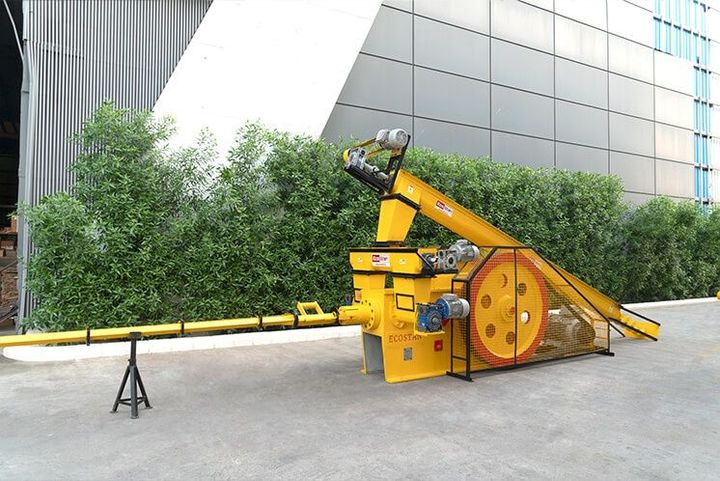
Guide to Biomass Briquette Machines: Turning Waste into Sustainable Energy
As the world moves toward renewable energy and carbon neutrality, biomass briquette machines are emerging as a practical and sustainable solution. These machines compress agricultural residues, sawdust, and other organic waste into dense briquettes that serve as clean, efficient fuel for industries and households.
Unlike coal or fossil fuels, biomass briquettes are renewable, carbon-neutral, and cost-effective. From rural energy generation to industrial heating applications, these machines are redefining how the world approaches energy production and waste management.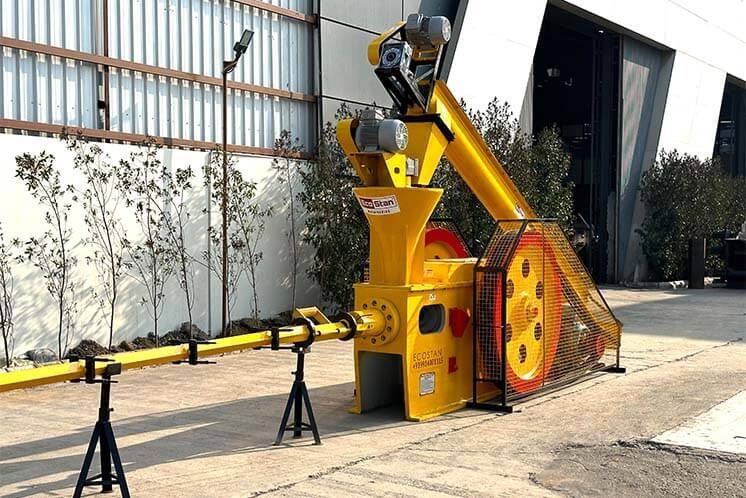
Importance of Biomass Briquette Machines
Biomass briquette machines play a crucial role in reducing waste, minimizing deforestation, and cutting greenhouse gas emissions. They convert agricultural byproducts like husk, straw, shells, and sawdust into a usable energy form — providing an eco-friendly alternative to traditional fuels.
This process helps rural communities earn additional income while promoting sustainable energy access. Moreover, industries can lower fuel costs and improve their environmental footprint through cleaner combustion and reduced emissions.
Recent Developments
The global push for clean energy has accelerated technological innovation in biomass briquetting. Some of the latest advancements include:
-
Automatic Feeding Systems: Improve efficiency and reduce manual labor.
-
Hydraulic Pressure Briquetting: Ensures uniform density for longer burning time.
-
Eco-friendly Binder Solutions: Allow for natural adhesion without chemicals.
-
Energy Recovery Systems: Reuse heat from production to dry raw materials.
-
AI-Based Monitoring: Helps track moisture, temperature, and compression pressure for optimal results.
Types of Biomass Briquette Machines
| Type | Key Features | Best For |
|---|---|---|
| Piston Press Briquetting Machine | Uses high pressure; no binder required | Industrial-scale briquette production |
| Screw Press Briquetting Machine | Uniform shape, continuous output | Medium-scale biomass processing |
| Hydraulic Briquetting Machine | Easy control, low noise, high density | Charcoal and metal powder briquettes |
| Manual Briquetting Machine | Simple design, affordable | Small farmers and local entrepreneurs |
| Roll Press Briquetting Machine | Suitable for fine powders | Large-scale biofuel production |
Key Features
-
High Compression Ratio: Ensures maximum density for efficient burning.
-
Energy-Efficient Operation: Designed to reduce power consumption.
-
Durable Steel Construction: Suitable for continuous industrial use.
-
Moisture Control System: Monitors raw material condition for consistency.
-
Automatic Temperature and Pressure Control: Maintains safety and performance.
Applications of Biomass Briquettes
-
Industrial Boilers: For steam generation and heating.
-
Power Plants: As an alternative to coal in thermal energy.
-
Brick Kilns and Ceramic Units: For consistent, smokeless heat.
-
Residential Heating: Eco-friendly domestic fuel.
-
Agricultural Drying: Used in dryers and furnaces for crops and grains.
Benefits
-
Reduces reliance on fossil fuels.
-
Provides cleaner combustion with minimal ash.
-
Cuts down agricultural waste disposal issues.
-
Generates employment in rural areas.
-
Contributes to carbon emission reduction goals.
Maintenance and Operation Tips
-
Keep raw material moisture below 12% for ideal briquette formation.
-
Clean the press chamber regularly to prevent clogging.
-
Monitor pressure and temperature gauges.
-
Lubricate moving parts to prevent wear.
-
Use uniform particle size for consistent briquette density.
Regular maintenance ensures longer machine life and better productivity.
Challenges and Solutions
| Challenge | Solution |
|---|---|
| High initial investment | Use government or renewable energy subsidies |
| Raw material inconsistency | Implement moisture and size control systems |
| Transportation costs | Set up decentralized briquetting units |
| Limited awareness | Conduct workshops and renewable energy programs |
FAQs
1. What raw materials can be used for biomass briquettes?
Agricultural waste, wood chips, coconut shells, sawdust, sugarcane bagasse, and rice husk are common materials.
2. How efficient are biomass briquettes compared to coal?
They offer similar calorific values (4,000–5,000 kcal/kg) but burn cleaner with fewer emissions.
3. Are biomass briquettes cost-effective?
Yes. They often cost 30–50% less than conventional fuels, depending on local raw material availability.
4. Do biomass briquettes require binders?
Some machines, like piston presses, work without binders, while others may use organic adhesives.
5. What’s the lifespan of a biomass briquette machine?
Typically, 8–12 years with regular servicing and maintenance.
Conclusion
Biomass briquette machines are revolutionizing how industries and communities manage waste and energy. By converting agricultural residues into clean fuel, they provide a practical path toward energy independence and environmental sustainability. As demand for renewable energy grows, these machines will continue to power a greener future — one briquette at a time