Guide to Best Air Purifiers for Every Room: Dyson, Philips & More
Indoor air quality has become a rising concern as people spend more time at home, especially in urban areas with pollution, allergens, and pathogens. Air purifiers now play a critical role in keeping living environments healthy by filtering dust, pollen, smoke, pet dander, and airborne viruses. Choosing the right purifier for each room ensures better air circulation, comfort, and health benefits.
Many brands offer models tailored for different room sizes and needs—Dyson, Philips, and others provide advanced sensors, multi-stage filtration, and smart controls. With a variety of models available, it’s important to understand how a purifier works, what features matter, and which models suit particular rooms like bedroom, living room, nursery, or kitchen.
Why Choosing the Right Air Purifier Matters
-
Helps reduce allergens and pollutants to support respiratory health.
-
Maintains comfortable indoor air for sensitive groups (children, elderly, allergy sufferers).
-
Optimizes energy use and noise levels when matched properly to room size.
-
Protects against seasonal pollution, smoke, and indoor chemical emissions.
How Air Purifiers Work (Basics)
-
Air is drawn in through a fan or blower.
-
It passes through one or more filters—HEPA filters, activated carbon, pre-filters—to remove particles and gases.
-
Clean air is then released back into the room.
-
Some models include sensors to detect air quality and adjust fan speed automatically.
Key Features to Look For
| Feature | Purpose / Benefit |
|---|---|
| True HEPA Filter | Captures 99.97% of particles ≥ 0.3 µm |
| Activated Carbon Layer | Absorbs odors, VOCs, smoke |
| CADR Rating (Clean Air Delivery Rate) | Indicates how well a purifier cleans air in a given size room |
| Auto Mode / Sensors | Adjusts purification rate based on air quality |
| Noise Level | Essential for bedrooms or spaces where quiet matters |
| Filter Replacement Indicators | Alerts you when filters need changing |
| Smart / App Control | Remote monitoring, scheduling, real-time readings |
Comparison: Dyson, Philips & Other Popular Models
| Brand / Model | Strengths | Best Room Use | Notes |
|---|---|---|---|
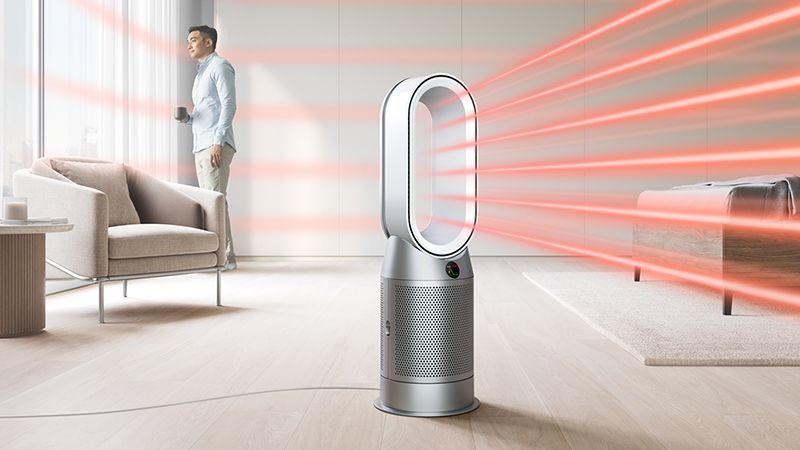
| Dyson | Stylish design, bladeless vents, air multiplier tech | Living spaces, bedrooms | Premium cost, multiple functions |
| Philips | Strong filtration, reliable brand | Bedrooms, small rooms | Good balance of cost and performance |
| Other Brands (Xiaomi, Coway, Honeywell) | Often lower price, competitive specs | Guest rooms, medium rooms | May lack build premium but good value |
| Room-Specific Units | Compact for small spaces | Nurseries, bathrooms | Focus on portability and moderate performance |
Practical Tips for Each Room
-
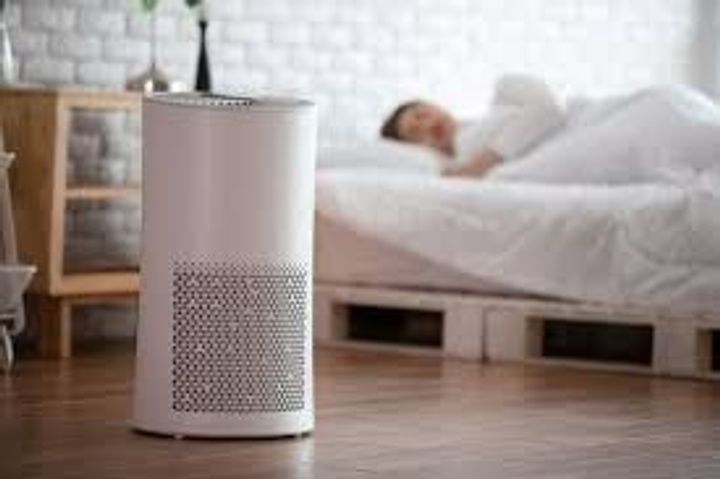
Bedroom: Choose ultra-quiet modes (≤ 30 dB) so it doesn’t disturb sleep.
-
Living Room: Go for high CADR to manage shared air volume.
-
Kitchen / Workshop: Use strong activated carbon filters for smells and gases.
-
Nursery / Child Rooms: Look for medical-grade filtration, safe design, and quiet operation.
-
Home Office / Reading Room: Smart monitoring and rapid cleaning mode help during long use.
Maintenance & Best Practices
-
Replace HEPA and carbon filters as recommended (usually every 6–12 months).
-
Clean the pre-filter regularly to prolong filter life.
-
Ensure doors/windows are closed for best purifier effectiveness.
-
Place the unit at least a few inches from walls or furniture to allow airflow.
-
Use auto or sleep mode for continuous but efficient operation.
FAQs
Q1. Are air purifiers effective against viruses?
While not perfect, purifiers with True HEPA filters can reduce airborne viral particles as part of a layered approach (ventilation, masks).
Q2. How often should filters be replaced?
Typically every 6 to 12 months, depending on usage and air quality.
Q3. Does a more expensive model always perform better?
Not always—performance depends on matching CADR and features to the room size and pollution levels.
Q4. Can one purifier cover an entire house?
Large units or multiple purifiers are better. Air purifiers are more effective when placed in each room.
Q5. What is the difference between HEPA and “HEPA-like” filters?
True HEPA meets strict standard (captures ≥ 99.97% of particles ≥ 0.3 µm). HEPA-like is marketing term and may deliver lower performance.
Conclusion
Picking the best air purifier for every room is about matching features, performance, and room size. Dyson, Philips, and other trusted brands offer strong options, but success comes from understanding CADR ratings, filter types, noise levels, and smart controls. With clean indoor air becoming a priority, especially in urban and polluted environments, investing in the right purifier can significantly improve comfort, health, and peace of mind in your home.