Guide to Bearings: Basics, Uses, and Key Insights
Bearings are mechanical components designed to reduce friction between moving parts and support loads in machines. They have been used for centuries, with early forms appearing in ancient transportation systems such as carts and water wheels. Over time, bearing technology has evolved alongside industrial development, becoming a key element in modern machinery and everyday devices.
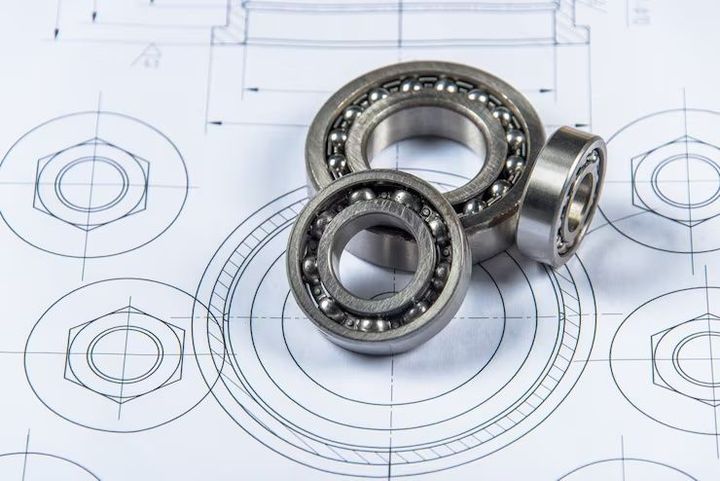
A bearing typically allows motion—either rotational or linear—while minimizing wear and energy loss. This is achieved through rolling elements, sliding surfaces, or a combination of both. Common materials include steel, ceramics, and specialized alloys, depending on the application.
From household appliances like fans and washing machines to large-scale industrial equipment, bearings play a quiet yet essential role. Understanding the basics of bearings helps explain how many machines operate smoothly and efficiently.
Importance
Bearings are important because they help reduce friction, which can otherwise lead to heat buildup, wear, and energy inefficiency. By enabling smooth motion, they extend the lifespan of machines and improve overall performance.
They affect a wide range of industries and daily activities. In transportation, bearings support wheels, engines, and gear systems. In manufacturing, they allow machines to operate continuously with minimal interruption. Even in electronics, small bearings are used in cooling fans and precision instruments.
Some of the practical challenges bearings address include:
- Reducing mechanical wear: Bearings prevent direct contact between moving surfaces, limiting damage over time
- Improving energy efficiency: Less friction means less energy is required to keep systems moving
- Supporting load distribution: Bearings help manage both radial and axial loads in machinery
- Enhancing reliability: Properly selected bearings contribute to consistent machine operation
Without bearings, many modern systems would experience faster deterioration and higher maintenance requirements.
Recent Updates
Recent developments in bearing technology reflect broader trends in automation, sustainability, and smart monitoring. Manufacturers and researchers are focusing on improving durability, efficiency, and adaptability in different environments.
One notable trend is the use of advanced materials. Ceramic bearings, for example, are gaining attention due to their resistance to heat and corrosion. Hybrid bearings, which combine steel rings with ceramic rolling elements, are also becoming more common in applications requiring higher speeds.
Another development involves smart bearings equipped with sensors. These sensors can monitor temperature, vibration, and load conditions in real time. This allows for predictive maintenance, where potential issues are identified before they lead to failure.
Sustainability is also influencing design choices. Lubrication systems are being optimized to reduce waste, and some bearings are designed to operate with minimal or no lubrication. Additionally, energy-efficient designs are helping industries reduce their environmental impact.
Overall, the focus is on creating bearings that are more durable, adaptable, and aligned with modern industrial needs.
Laws or Policies
Bearings are subject to various standards and regulations that ensure safety, quality, and compatibility across industries. These rules are typically established by national and international organizations.
In India, standards related to bearings are guided by the Bureau of Indian Standards (BIS). These standards define specifications for dimensions, materials, and performance. Internationally, organizations such as the International Organization for Standardization (ISO) provide widely recognized guidelines.
Key regulatory aspects include:
- Material standards: Ensuring the materials used meet safety and durability requirements
- Quality testing: Bearings must undergo testing for load capacity, wear resistance, and performance
- Environmental guidelines: Regulations may address lubrication methods and waste management
- Industrial safety norms: Bearings used in critical systems must comply with safety protocols
These regulations help maintain consistency and reliability across different applications, making it easier for manufacturers and engineers to select suitable components.
Tools and Resources
Understanding and selecting bearings often involves the use of technical tools and reference materials. These resources help users evaluate performance requirements and choose appropriate types.
Some commonly used tools and resources include:
- Bearing selection calculators: These tools estimate load capacity, speed limits, and expected lifespan based on input parameters
- Technical catalogs: Manufacturers provide detailed catalogs with specifications, dimensions, and application guidelines
- Engineering software: Computer-aided design (CAD) programs allow users to simulate bearing performance within mechanical systems
- Online knowledge platforms: Educational websites and engineering forums provide explanations, case studies, and troubleshooting tips
Below is a simple comparison of common bearing types and their typical uses:
| Bearing Type | Motion Type | Common Uses |
|---|---|---|
| Ball Bearings | Rotational | Electric motors, fans, appliances |
| Roller Bearings | Rotational | Conveyor systems, heavy machinery |
| Thrust Bearings | Axial motion | Automotive transmissions, turbines |
| Plain Bearings | Sliding | Low-speed machinery, structural parts |
| Needle Bearings | Rotational | Compact equipment, gear systems |
These tools and references make it easier to understand how different bearing types function and where they are commonly applied.
FAQs
What are bearings and how do they work?
Bearings are components that reduce friction between moving parts and support loads. They work by using rolling elements or smooth surfaces to allow controlled motion with minimal resistance.
What are the different types of bearings used in machines?
Common types include ball bearings, roller bearings, thrust bearings, plain bearings, and needle bearings. Each type is designed for specific motion and load conditions.
Why are bearings important in industrial applications?
Bearings help reduce wear, improve efficiency, and support heavy loads. They enable machines to operate smoothly and consistently over time.
How do I choose the right bearing for an application?
Selection depends on factors such as load type, speed, operating environment, and space constraints. Technical catalogs and calculators are often used to guide this process.
What causes bearing failure?
Common causes include inadequate lubrication, contamination, excessive load, and misalignment. Regular inspection and proper installation can help reduce these risks.
Conclusion
Bearings are fundamental components that support motion and reduce friction in a wide range of machines and devices. Their design and function have evolved to meet modern industrial and technological demands. With advancements in materials and monitoring systems, bearings continue to improve in efficiency and reliability. Understanding their basics, uses, and key insights helps explain their role in everyday systems and large-scale operations.