Guide to AI Photo Editors: Steps and Basics Explained
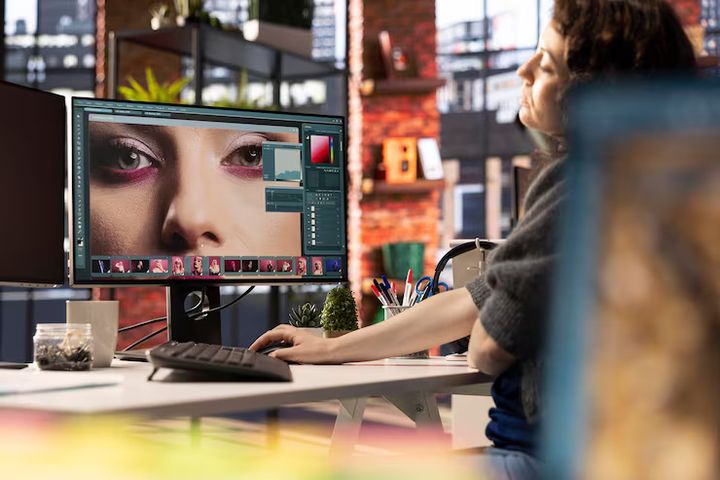
AI photo editors are digital tools that use artificial intelligence to analyze and modify images. These tools have developed from traditional photo editing software, which required manual adjustments, into systems that can automatically enhance images, remove objects, and apply visual effects with minimal user input. The concept of AI photo editing is based on machine learning models trained on large datasets of images, enabling them to recognize patterns such as faces, lighting conditions, and backgrounds.
The rise of smartphones, social media platforms, and digital photography has increased the need for quick and accessible image editing solutions. AI photo editors respond to this need by simplifying complex editing tasks. Instead of requiring technical knowledge, they allow users to make adjustments through simple commands or automated features. This makes image editing more approachable for people with little or no prior experience.
Importance
AI photo editors play a significant role in how individuals and organizations manage visual content. With the growing volume of digital images shared online, there is a need for tools that can improve quality and consistency without requiring advanced skills.
For everyday users, these tools help improve personal photos, such as adjusting brightness or removing unwanted objects. For content creators and educators, AI photo editing helps prepare visuals for presentations, websites, or learning materials. Small businesses also rely on such tools to create consistent product images and marketing visuals.
Some common challenges addressed by AI photo editors include:
- Time efficiency, where automated adjustments reduce the need for manual editing
- Accessibility, allowing non-technical users to perform complex edits
- Consistency, helping maintain a uniform visual style across multiple images
- Error reduction, as AI can detect and correct common issues like poor lighting or blur
These advantages make AI photo editors relevant across various fields, including education, media, and personal use.
Recent Updates
Between 2024 and 2026, AI photo editors have continued to evolve with improved capabilities and wider accessibility. One noticeable trend is the integration of generative AI features. These features allow users to create or extend parts of an image, such as filling in missing backgrounds or generating new visual elements based on text descriptions.
Another development is real-time editing. Many AI photo editors now provide instant previews of changes, allowing users to see adjustments as they are applied. This reduces trial and error and improves the editing experience.
Cloud-based processing has also become more common. Instead of relying entirely on local devices, some AI photo editors process images through remote servers. This enables more advanced features without requiring high-performance hardware.
The table below summarizes key trends:
| Feature Area | Description |
|---|---|
| Generative Editing | Creates or modifies image elements using text or prompts |
| Real-Time Processing | Shows instant previews during editing |
| Cloud Integration | Uses remote systems for advanced image processing |
| Mobile Optimization | Designed for smartphones and tablets |
| Automated Retouching | Detects and enhances facial features and lighting automatically |
These trends indicate a shift toward more intuitive and efficient editing methods.
Laws or Policies
AI photo editors are influenced by various laws and policies, especially those related to data protection, intellectual property, and digital content use. In countries such as India, general data protection frameworks emphasize the responsible handling of user data, including images uploaded for editing.
Privacy considerations are particularly important when AI tools analyze facial features or personal images. Regulations may require platforms to inform users about how their data is processed and stored. Users are often encouraged to review permissions and understand how their images are used.
Copyright laws also play a role. Images edited using AI must still respect the rights of original creators. If a user modifies an image that is not their own, they may need permission depending on the intended use.
Additionally, some platforms follow content moderation policies to prevent the misuse of AI photo editing, such as creating misleading or harmful visual content. These policies are designed to ensure responsible use of AI technologies.
Tools and Resources
There are various tools and resources available to help users understand and apply AI photo editing techniques. These range from mobile applications to web-based platforms and educational materials.
Common types of tools include:
- Mobile editing apps, which allow users to edit images directly on smartphones
- Desktop software, providing more detailed control and advanced features
- Web-based editors, accessible through browsers without installation
- AI-powered filters, which automatically adjust color, lighting, and composition
- Background removal tools, used to isolate subjects from images
In addition to editing tools, there are resources that support learning and experimentation:
- Online tutorials, explaining step-by-step editing techniques
- Template libraries, offering pre-designed styles for quick editing
- Image datasets, used for training and understanding AI behavior
- Documentation and guides, helping users understand features and limitations
These tools and resources contribute to a broader understanding of AI photo editing and its practical applications.
FAQs
What are AI photo editors and how do they work?
AI photo editors are software tools that use artificial intelligence to analyze and modify images. They work by recognizing patterns in photos, such as faces, objects, and lighting, and applying adjustments automatically or based on user input.
Can beginners use AI photo editors without technical skills?
Yes, AI photo editors are designed to be user-friendly. Many features are automated, allowing beginners to edit images through simple actions like selecting filters or using one-click enhancements.
Are AI photo editors suitable for professional use?
AI photo editors can be used in professional contexts, especially for tasks that require efficiency and consistency. However, some users may combine AI tools with manual editing for more detailed control.
Do AI photo editors store or use personal images?
Some AI photo editors process images locally, while others use cloud-based systems. Users should review privacy settings and policies to understand how their images are handled.
What features are commonly found in AI photo editors?
Common features include automatic enhancement, background removal, object detection, facial retouching, and generative editing. These features help simplify complex editing tasks.
Conclusion
AI photo editors have transformed how images are edited by making advanced techniques more accessible to a wider audience. They reduce the need for technical knowledge while improving efficiency and consistency in image processing. Ongoing developments continue to expand their capabilities, including generative features and real-time editing. At the same time, users should remain aware of privacy and copyright considerations when using these tools. Overall, AI photo editors represent a practical approach to modern image editing.