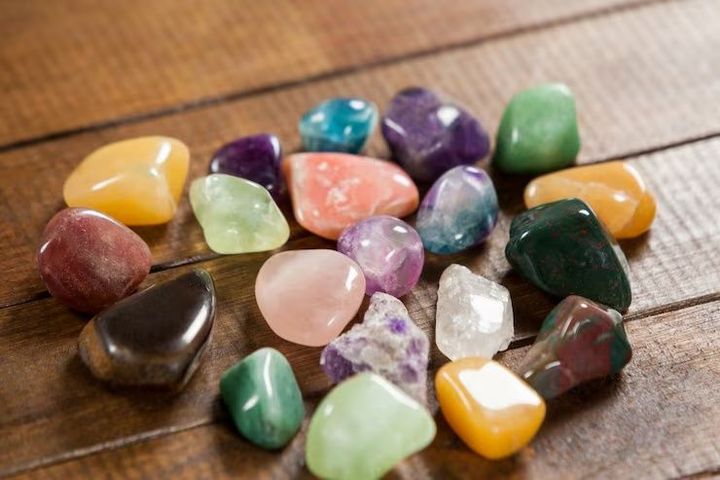
Gemstone Basics: Learn the Facts, Details, and Identification Tips
Gemstone basics help explain what gemstones are, how they form, and how they can be identified. Gemstones are naturally occurring minerals or organic materials that are valued for their color, clarity, and durability. Some examples include diamond, ruby, sapphire, emerald, and pearl. These materials have been used for thousands of years in jewelry, decoration, and cultural practices.
Understanding gemstone facts and details begins with geology. Most gemstones form deep within the Earth under heat and pressure, while others develop in water or through biological processes. For instance, diamonds form under intense pressure, while pearls are created inside mollusks. Each gemstone has a unique combination of physical and chemical properties.
Gemstone identification tips are based on observable characteristics such as color, hardness, transparency, and crystal structure. These features help distinguish one gemstone from another and provide insight into their origin. For general readers, learning these basics makes it easier to recognize different types of gemstones and understand their value in everyday contexts.
Importance
Gemstone basics matter because gemstones are widely used in jewelry, cultural traditions, and even industrial applications. Many people encounter gemstones in daily life, whether in personal accessories or decorative items. Understanding gemstone facts and identification tips can help individuals recognize authenticity and avoid confusion between natural and synthetic stones.
For collectors and enthusiasts, gemstone identification provides a way to appreciate the diversity of minerals. It also supports informed decisions when examining gemstones, especially when similar-looking stones can have very different properties.
There are also practical challenges that gemstone basics address. For example, distinguishing between natural and lab-created stones can be difficult without proper knowledge. Similarly, identifying treatments such as heat or dyeing requires awareness of common practices in the gemstone industry.
Recent Updates
In recent years, gemstone identification has evolved with new technologies and growing awareness. Advanced tools such as spectroscopy and digital imaging are now more accessible, allowing for more precise analysis of gemstone properties. These developments support better understanding of gemstone details without requiring highly specialized equipment.
Another noticeable trend is the increasing presence of lab-created gemstones. These stones have similar physical and chemical properties to natural ones but are produced in controlled environments. As a result, gemstone identification tips now often include methods to differentiate between natural and lab-grown stones.
Sustainability has also become a key topic. There is growing interest in tracing the origin of gemstones and ensuring responsible sourcing. This trend has influenced how gemstone facts are presented, with more emphasis on transparency and documentation.
Laws or Policies
Gemstones are subject to various regulations that aim to ensure transparency and consumer awareness. In many countries, there are guidelines that require accurate labeling of gemstones, especially when they are treated or lab-created. These rules help prevent confusion and ensure that buyers understand what they are acquiring.
Certification plays an important role in gemstone identification. Independent gemological laboratories provide reports that describe a gemstone’s characteristics, including its type, weight, and any treatments. These reports are based on standardized methods and help maintain consistency across the industry.
In India, organizations such as the Bureau of Indian Standards (BIS) and other regulatory bodies contribute to setting guidelines for quality and authenticity. Internationally, groups like the World Jewellery Confederation establish terminology standards that influence how gemstone facts are communicated globally.
Tools and Resources
Several tools and resources can support learning and applying gemstone basics. These range from simple visual guides to advanced analytical instruments.
Commonly used tools include:
- Hand lens or loupe: A small magnifying device used to observe inclusions and surface details
- Mohs hardness scale kit: Helps compare the hardness of different gemstones
- Refractometer: Measures how light bends through a gemstone
- Polariscope: Identifies optical properties such as double refraction
- UV light: Reveals fluorescence in certain gemstones
Online platforms and educational resources also provide useful information. These include gemology courses, digital gemstone databases, and mobile applications designed for gemstone identification. They often include images, descriptions, and comparison tools to help users understand gemstone details.
Below is a simple table showing key properties used in gemstone identification:
| Property | Description | Example Use |
|---|---|---|
| Color | Visible hue of the gemstone | Identifying ruby vs garnet |
| Hardness | Resistance to scratching (Mohs scale) | Diamond ranks highest |
| Luster | Surface reflection quality | Glassy or metallic appearance |
| Transparency | Degree of light passing through | Opaque vs transparent stones |
| Specific Gravity | Density compared to water | Differentiating similar gems |
FAQs
What are gemstone basics and why are they important?
Gemstone basics refer to the fundamental knowledge about how gemstones form, their properties, and how they can be identified. This knowledge helps people understand gemstone facts and avoid confusion between different types of stones.
How can gemstone identification be done at home?
Basic gemstone identification tips include observing color, checking hardness using simple tools, and using a magnifying lens to inspect inclusions. However, advanced identification may require specialized equipment.
What are the key gemstone facts to know before identifying a stone?
Important gemstone facts include hardness, color consistency, transparency, and origin. These characteristics help distinguish between natural, synthetic, and treated gemstones.
Are lab-created gemstones different from natural ones?
Lab-created gemstones have similar physical and chemical properties to natural stones, but they are formed in controlled environments. Identification often involves examining growth patterns and inclusions.
Which tools are commonly used for gemstone identification?
Common tools include a loupe, refractometer, hardness testing kit, and UV light. These tools help analyze gemstone details and improve accuracy in identification.
Conclusion
Gemstone basics provide a clear understanding of how gemstones form, what properties they ունեն, and how they can be identified. Learning gemstone facts and identification tips helps individuals recognize differences between stones and understand their characteristics. With the support of tools and updated knowledge, gemstone identification has become more accessible. These insights contribute to a broader appreciation of gemstones in everyday life.