Factory Ventilation System Guide: Airflow Principles and Industrial Safety Insights
A factory ventilation system is an engineered setup designed to manage airflow within industrial environments. Its primary purpose is to regulate temperature, remove airborne contaminants, and maintain healthy indoor air conditions for workers and equipment. In manufacturing plants, warehouses, and production facilities, the accumulation of dust, fumes, heat, and gases can affect both safety and operational efficiency. Proper airflow management helps maintain a balanced indoor atmosphere.
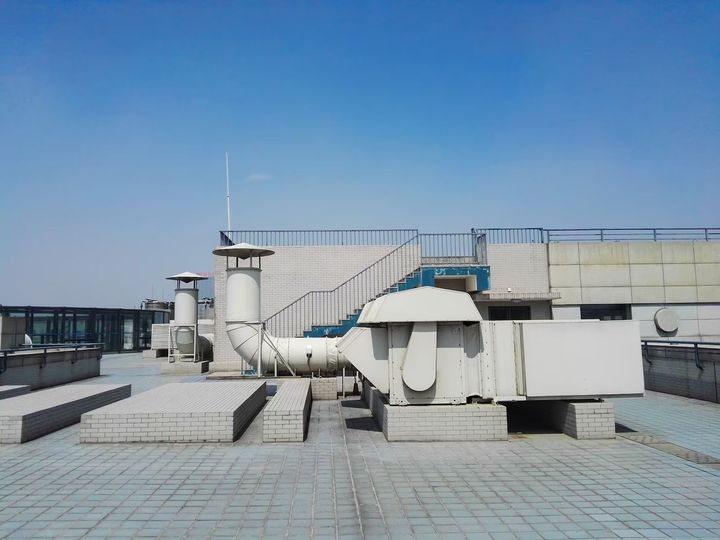
Industrial environments often generate particles and gases through processes such as welding, chemical processing, machining, and packaging. Without effective ventilation, these airborne substances can accumulate and affect air quality. A ventilation framework typically includes exhaust fans, ductwork, filtration systems, and air intake mechanisms that circulate and replace indoor air with cleaner outdoor air.
The concept of industrial ventilation has evolved alongside manufacturing technology. Early factories relied mainly on natural airflow through windows and roof openings. Modern facilities use mechanical ventilation systems equipped with sensors, automated airflow controls, and energy-efficient components. These systems help maintain consistent indoor conditions regardless of external weather conditions.
Components of Industrial Airflow Systems
| Component | Function | Example Application |
|---|---|---|
| Air Intake Units | Bring fresh air into the building | Roof vents and wall louvers |
| Exhaust Fans | Remove contaminated or hot air | Welding or machining zones |
| Duct Networks | Transport air through the facility | Production lines |
| Filtration Units | Capture dust or particles | Metalworking operations |
| Airflow Sensors | Monitor air quality and movement | Smart ventilation systems |
A well-designed ventilation layout considers building size, machinery output, workforce density, and environmental factors. Engineers typically analyze airflow patterns to ensure that contaminants move away from workers and exit through exhaust systems efficiently.
Importance of Factory Ventilation Systems
Industrial ventilation plays a critical role in protecting workplace environments. Manufacturing operations frequently produce heat, humidity, dust, vapors, or chemical fumes. When these elements remain trapped indoors, they can reduce visibility, affect worker comfort, and impact equipment performance.
One of the main reasons ventilation matters today is the growing focus on occupational health. Research within the field of industrial hygiene shows that proper airflow management reduces exposure to airborne particles and improves workplace conditions. Clean air helps maintain stable temperatures, lowers humidity levels, and improves productivity across factory environments.
Key Benefits of Industrial Ventilation
| Benefit | Explanation |
|---|---|
| Air Quality Control | Removes pollutants and airborne particles |
| Thermal Comfort | Reduces excessive heat generated by machinery |
| Equipment Protection | Prevents dust buildup that can damage equipment |
| Workplace Safety | Supports safer working conditions |
| Environmental Management | Helps manage emissions and airflow balance |
Factories involved in metal processing, chemical production, and food manufacturing depend heavily on ventilation frameworks to maintain safe environments. Poor airflow can lead to heat stress in workers, increased maintenance needs for machinery, and reduced operational efficiency.
Ventilation also contributes to sustainability goals. Energy-efficient airflow systems help facilities maintain stable indoor temperatures while reducing excessive energy consumption. Many industrial facilities now integrate ventilation with building management systems to monitor air conditions in real time.
Recent Developments in Industrial Ventilation
During the past year, several technological and regulatory trends have influenced how factories manage indoor air environments.
Smart Ventilation Monitoring (2024–2025)
Modern industrial facilities increasingly use sensor-based monitoring systems. These systems track temperature, particulate levels, and airflow in real time. Data from sensors allows facility managers to adjust airflow automatically, ensuring optimal conditions without manual adjustments.
Energy-Efficient Ventilation Designs
Energy efficiency has become a major focus for industrial facilities. Heat recovery ventilators and variable-speed fans are being adopted in many manufacturing plants. These technologies reduce energy consumption while maintaining proper airflow.
Workplace Air Quality Awareness
In 2024, occupational safety discussions expanded around indoor air quality in industrial environments. Many organizations have emphasized improved ventilation strategies to reduce exposure to airborne particles and improve worker comfort.
Digital Modeling and Airflow Simulation
Another notable development involves digital airflow simulation tools. Engineers use computational modeling software to predict how air moves within a factory building before installing ventilation infrastructure. This approach helps optimize airflow paths and avoid inefficient layouts.
| Trend | Impact on Industry |
|---|---|
| Smart Sensors | Continuous monitoring of air conditions |
| Energy Recovery Systems | Improved efficiency in ventilation |
| Air Quality Awareness | Stronger workplace safety focus |
| Airflow Modeling | Better system design planning |
These advancements show that ventilation is no longer only about moving air—it now includes data analysis, environmental management, and energy optimization.
Regulations and Workplace Policies
Industrial ventilation systems are influenced by workplace safety regulations and environmental standards in many countries. These rules guide how factories manage air quality, dust levels, and chemical exposure.
In India, workplace ventilation practices often align with safety guidelines issued under the Factories Act and industrial health standards developed by occupational safety authorities. These guidelines focus on ensuring sufficient airflow, proper exhaust mechanisms, and prevention of hazardous air accumulation.
Internationally, organizations such as the International Labour Organization (ILO) and global occupational health institutions publish recommendations for ventilation in industrial settings. These guidelines highlight ventilation as a key component of workplace safety strategies.
Common Regulatory Considerations
| Regulation Area | Purpose |
|---|---|
| Air Quality Monitoring | Maintain safe pollutant levels |
| Dust and Particle Control | Reduce inhalation risks |
| Exhaust System Requirements | Ensure effective removal of fumes |
| Worker Safety Guidelines | Protect employees from airborne hazards |
Environmental policies may also influence ventilation strategies, particularly in industries that generate emissions. Ventilation systems help manage airflow while supporting environmental compliance requirements.
Factories operating internationally often adapt their ventilation systems to meet multiple regulatory frameworks depending on location and industry type.
Tools and Resources for Ventilation Planning
Several tools and digital resources assist engineers, facility managers, and safety professionals in planning and maintaining ventilation systems.
Airflow Calculation Tools
Engineering calculators help estimate airflow requirements based on building size, machinery output, and worker density. These calculations help determine the capacity of ventilation fans and duct networks.
Air Quality Monitoring Platforms
Digital monitoring platforms track indoor air parameters such as temperature, humidity, and particulate matter. These systems provide real-time dashboards that help facility managers understand airflow conditions across large industrial buildings.
Simulation and Modeling Software
Airflow modeling software is widely used in industrial engineering to simulate ventilation patterns before installation. Engineers can visualize airflow circulation and identify areas where contaminants may accumulate.
| Tool Category | Example Purpose |
|---|---|
| Airflow Calculators | Estimate ventilation requirements |
| Environmental Sensors | Monitor temperature and particles |
| Modeling Software | Predict airflow patterns |
| Maintenance Platforms | Track system performance |
These resources help factories maintain efficient ventilation systems while supporting workplace safety and environmental monitoring goals.
Frequently Asked Questions
What is the main purpose of a factory ventilation system?
The main purpose is to maintain safe indoor air conditions by removing contaminants, controlling temperature, and ensuring adequate airflow in industrial environments.
What types of ventilation systems are used in factories?
Factories commonly use general ventilation systems that circulate fresh air throughout the building and local exhaust systems that capture pollutants near their source.
How does ventilation improve workplace safety?
Effective ventilation reduces exposure to airborne particles, fumes, and excessive heat. This helps create a healthier and safer environment for workers.
What industries rely heavily on ventilation systems?
Industries such as manufacturing, metal processing, chemical production, and food processing frequently rely on ventilation systems to manage indoor air conditions.
How often should ventilation systems be inspected?
Routine inspection schedules vary by facility, but many industrial safety guidelines recommend periodic checks to ensure airflow systems remain effective and properly maintained.
Conclusion
A factory ventilation system is an essential component of modern industrial infrastructure. It manages airflow, removes contaminants, and maintains comfortable working conditions within manufacturing facilities. As industries continue to adopt advanced technologies, ventilation systems are becoming more intelligent, efficient, and data-driven.
Recent developments in sensor-based monitoring, energy-efficient ventilation designs, and airflow simulation tools highlight the growing importance of air management in industrial environments. Regulatory frameworks and workplace safety standards further emphasize the need for effective ventilation strategies.
By integrating engineering principles, environmental awareness, and digital monitoring tools, factories can maintain balanced indoor environments that support both operational performance and workplace well-being.