Exploring the World of Manga: A Guide to Japan’s Iconic Art Form
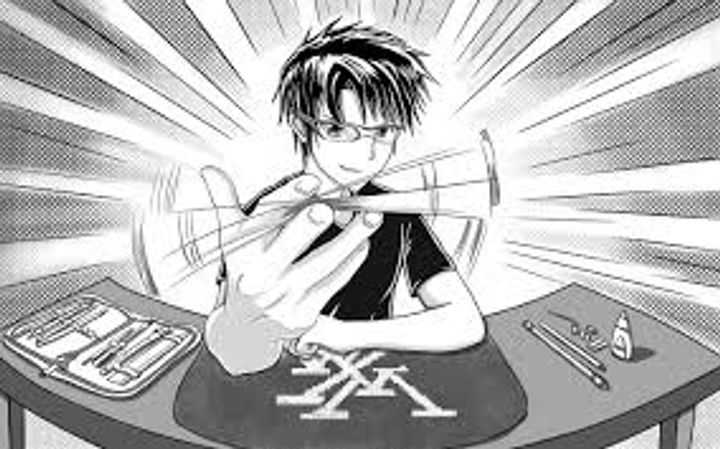
Manga refers to a style of illustrated storytelling that originated in Japan and has become widely recognized across the world. It combines visual art with written dialogue to create narratives that range from simple daily life stories to complex fantasy and historical themes. The word “manga” in Japanese generally means “comics” or “whimsical pictures,” but outside Japan, it specifically describes this distinctive art form.
The roots of manga can be traced back to early Japanese picture scrolls and woodblock prints, which used sequential imagery to tell stories. Over time, these traditions evolved alongside modern printing techniques and cultural changes, shaping manga into a structured form of entertainment. By the 20th century, manga became a central part of Japanese popular culture, appearing in magazines, books, and newspapers.
Manga is typically read from right to left, following traditional Japanese reading patterns. It is often serialized, meaning stories are published in chapters before being collected into volumes. This format allows readers to follow long-running narratives and character development over time. The visual style can vary widely, but many works share recognizable elements such as expressive characters, detailed backgrounds, and dynamic panel layouts.
Today, manga is not limited to Japan. It has influenced artists and readers worldwide, contributing to the global appreciation of illustrated storytelling and shaping related forms such as anime.
Importance
Manga plays a significant role in both cultural expression and entertainment. It reflects social values, historical perspectives, and everyday experiences in Japan, making it a useful medium for understanding the country’s culture. Readers of different ages and backgrounds can find stories that relate to their interests, whether focused on education, relationships, adventure, or science fiction.
One important aspect of manga is its accessibility. Unlike some forms of literature that require advanced reading skills, manga combines visuals and text, making it easier for a broader audience to engage with complex topics. This has made it especially popular among younger readers and those learning new languages.
Manga also contributes to literacy and creativity. By presenting stories in a visual format, it encourages imagination and helps readers interpret both images and written dialogue. In educational contexts, manga is sometimes used to introduce subjects such as history or social issues in a more engaging way.
Another key point is its influence on global media. Manga has inspired films, television series, video games, and fashion trends. Its storytelling techniques, such as pacing through panels and emotional expression through artwork, have shaped creative industries far beyond Japan.
Recent Updates
In recent years, manga has continued to expand in both digital and international markets. Digital reading platforms have made it easier for readers to access manga through smartphones, tablets, and computers. This shift has changed how content is distributed, allowing creators to reach audiences more quickly.
There has also been a noticeable increase in translated editions. Publishers are making manga available in multiple languages, helping readers around the world explore Japanese stories without language barriers. At the same time, local creators in different countries are adopting manga-inspired styles, leading to a blend of cultural influences.
Another trend is the growing recognition of manga as a form of literature. Libraries, academic institutions, and cultural organizations are including manga in their collections and research. This reflects a broader acceptance of illustrated storytelling as a meaningful artistic and educational medium.
Additionally, themes in manga are evolving. While traditional genres such as action and romance remain popular, newer works often explore topics like technology, environmental issues, and mental well-being. This shift shows how manga continues to adapt to changing societal concerns.
Laws or Policies
Manga production and distribution in Japan are influenced by copyright laws and publishing regulations. Copyright laws protect the rights of creators, ensuring that their work cannot be reproduced or distributed without permission. This is important for maintaining the integrity of the original content and supporting the creative industry.
Publishing guidelines also play a role in determining what content can be distributed, particularly when it comes to age-appropriate material. Manga is often categorized by audience groups, such as children, teenagers, and adults. These categories help readers and guardians make informed choices about what content is suitable.
International distribution of manga is subject to additional regulations. Different countries may have their own rules regarding translation, censorship, and intellectual property. Publishers must follow these regulations when bringing manga to global audiences.
Efforts to address unauthorized distribution have also increased. Digital platforms and publishers are working to reduce piracy by providing official access to content and raising awareness about respecting creators’ rights.
Tools and Resources
Readers and creators interested in manga can explore a variety of tools and platforms that support learning, reading, and creation. These resources help users understand both the artistic and narrative aspects of manga.
Some commonly used tools and resources include:
- Digital reading platforms provide access to a wide range of manga titles in different languages, allowing users to explore genres and styles.
- Drawing software such as illustration programs supports artists in creating manga panels, characters, and layouts.
- Storyboarding templates help creators plan the sequence of events and organize visual storytelling effectively.
- Online tutorials and courses explain techniques like character design, panel composition, and dialogue writing.
- Libraries and archives offer collections of manga volumes for reading and research purposes.
Below is a simple overview of common manga categories and their typical focus:
| Category | Target Audience | Common Themes |
|---|---|---|
| Shonen | Young males | Action, adventure, friendship |
| Shojo | Young females | Romance, relationships, emotions |
| Seinen | Adult males | Complex plots, realism |
| Josei | Adult females | Daily life, mature relationships |
| Kodomo | Children | Simple stories, educational themes |
These categories are not strict rules but general classifications that help readers identify the type of story they may find interesting.
FAQs
What is manga and how is it different from comics?
Manga is a style of illustrated storytelling that originated in Japan. It differs from many Western comics in its reading direction, artistic style, and storytelling approach, often focusing on long-form narratives.
Why is manga read from right to left?
Manga follows traditional Japanese reading patterns, which move from right to left. This format is preserved even in translated versions to maintain the original layout and artistic intent.
What are the main genres in manga?
Manga includes a wide range of genres, such as action, romance, fantasy, mystery, and slice of life. It is also categorized by audience groups like shonen, shojo, seinen, and josei.
How has digital technology changed manga?
Digital platforms have made manga more accessible by allowing readers to access content on electronic devices. This has expanded its global reach and made it easier for creators to share their work.
Is manga suitable for all age groups?
Manga is created for different age groups, from children to adults. Content varies widely, so it is important to check the intended audience category before reading.
Conclusion
Manga is a unique form of storytelling that combines visual art and written narrative, rooted in Japanese culture but widely appreciated around the world. Its accessibility, variety of themes, and evolving formats make it relevant to diverse audiences. As digital platforms and global interest continue to grow, manga remains an important part of both cultural expression and modern entertainment. Understanding its background and structure helps readers appreciate its role in storytelling today.