Explore Student Cultural Trips to France With History, Culture, and Travel Details
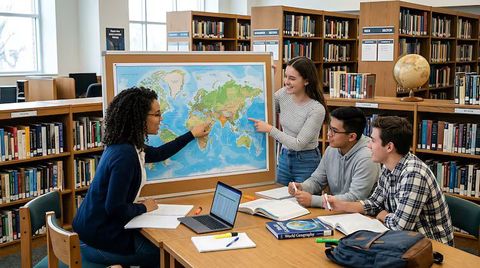
Student cultural trips to France combine educational travel with opportunities to explore history, architecture, art, language, food traditions, geography, and everyday cultural life. These trips are often organized by schools, universities, language programs, educational institutions, or student travel groups.
Instead of studying France only through classroom materials, participants can encounter historical locations, museums, cultural institutions, neighborhoods, and landscapes directly.
France has a long and diverse history that includes prehistoric settlements, Roman influence, medieval kingdoms, Renaissance developments, revolutionary movements, industrial changes, and modern European history. Its cities and regions contain many locations connected with these different periods, making the country suitable for history and cultural study.
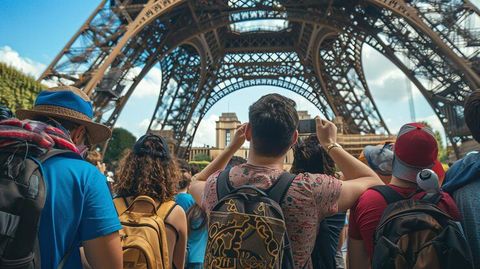
Paris is frequently included in student itineraries because of its museums, monuments, architecture, libraries, and historical districts. Other destinations can provide different perspectives, including Normandy for twentieth-century history, the Loire Valley for castles and heritage, Lyon for urban and culinary culture, Provence for regional traditions, and Strasbourg for European institutions and cross-border cultural influences.
A student cultural trip can range from a short city visit to a multi-region educational journey. The itinerary usually combines guided learning with independent observation, group activities, cultural visits, and time for students to experience local surroundings.
Educational Themes
Student cultural trips to France can be organized around several academic themes:
French history and political development
European history
Art and museum studies
Architecture and urban planning
French language and literature
Geography and regional landscapes
Food and agricultural traditions
European cultural studies
World War history
International relations
The educational objectives influence the destinations and activities selected for the itinerary.
Typical Trip Structure
A student group may begin with an orientation session covering the destination, cultural expectations, transportation, emergency procedures, and group arrangements. Daily activities can then combine museums, historical locations, educational workshops, walking tours, and cultural experiences.
A typical day might include a morning museum or historical visit, an afternoon educational activity, and an evening group program. Longer journeys may include travel between regions to compare different historical and cultural environments.
Importance
Student cultural trips provide a way to connect academic subjects with physical places and cultural experiences. A history lesson about medieval Europe can become more tangible when students visit historic buildings, while an art class can be supplemented by viewing original works in museums.
These journeys can also expose students to different languages, social customs, transportation systems, food traditions, and public spaces. Such experiences can encourage observation and comparison without requiring students to treat one culture as identical to another.
Who Takes Student Cultural Trips?
These trips can involve students from secondary schools, universities, language programs, cultural organizations, and academic exchange groups. The age of participants affects the level of supervision, accommodation arrangements, daily schedules, and permitted activities.
Educational groups may include teachers, academic coordinators, group leaders, or other responsible adults. The planning process generally needs to account for student welfare, accessibility, transportation, accommodation, communication, and emergency procedures.
History and Cultural Learning
France provides opportunities to study multiple historical periods within relatively accessible geographic areas. Students can examine Roman remains, medieval architecture, Renaissance buildings, revolutionary history, industrial development, and modern European institutions.
Museums and cultural institutions can provide additional context through artifacts, paintings, documents, architecture, and educational programs. Students can connect these materials with classroom topics and written assignments.
Language and Everyday Culture
A student cultural trip can also provide opportunities for language practice. Students may encounter French in restaurants, museums, transportation systems, shops, public signs, and everyday conversations.
Cultural learning extends beyond language. Students can observe meal customs, public transportation practices, architecture, regional traditions, school environments, and patterns of daily life.
Recent Updates
From 2024 through 2026, international educational travel has continued to develop around cultural learning, language immersion, heritage visits, and organized student experiences. Schools and educational groups increasingly use structured itineraries that combine academic objectives with cultural activities.
Digital Trip Planning
Digital tools are increasingly used for organizing student travel. Group leaders can manage itineraries, transportation information, emergency contacts, accommodation details, schedules, and participant information through digital planning systems.
Mobile mapping and translation tools can also support navigation and communication. However, groups generally need backup arrangements because mobile connectivity, device availability, and battery capacity can vary.
Interactive Museum Experiences
Museums and heritage institutions continue to use digital displays, multimedia interpretation, audio guides, educational workshops, and interactive exhibits. These formats can provide additional context for students who may not have studied the subject previously.
Digital interpretation can also make complex historical topics easier to understand by combining written information with visual material, objects, maps, and reconstructed environments.
Regional Travel
Student travel is not limited to Paris. Educational itineraries increasingly examine different regions to provide a broader view of French history and culture.
Possible themes include:
Paris for art, architecture, and national history
Normandy for historical study
Loire Valley for castles and heritage
Lyon for urban and cultural history
Provence for regional traditions and landscapes
Strasbourg for European and cross-border culture
The selected destinations should correspond with the academic purpose of the trip rather than simply the number of places included.
Sustainable Travel Considerations
Educational groups are also paying attention to transportation choices, waste management, walking routes, public transportation, and local cultural participation. Rail travel can be incorporated into some itineraries where routes and schedules are suitable.
Sustainable travel planning also involves considering group size, accommodation practices, local resources, and the environmental impact of transportation.
Laws or Policies
Student cultural trips to France are affected by French immigration requirements, European travel rules, transportation regulations, accommodation requirements, child-protection considerations, and local rules governing museums and cultural sites.
Entry and Travel Requirements
Entry requirements depend on the student's nationality, travel document, age, purpose of travel, and length of stay. Students traveling as part of organized educational groups may still need to meet the applicable immigration requirements.
Travel documentation can include passports, visas where applicable, consent documentation for minors, insurance information, accommodation records, and emergency contacts. Requirements should be checked according to the student's circumstances before departure.
Student Group Safety
Groups involving minors may have additional safeguarding and supervision requirements. Schools and organizations may establish policies covering adult-to-student supervision, accommodation arrangements, communication procedures, medical emergencies, and student conduct.
Transportation providers and accommodation facilities may also have their own rules for group bookings and minors.
Cultural and Heritage Rules
Museums, monuments, religious buildings, archaeological sites, and historic locations can have specific rules regarding photography, touching exhibits, food, clothing, bags, security screening, and group movement.
Students are expected to follow instructions from site staff and respect cultural and historical locations. Certain sites may restrict group access or require advance reservations.
Local Regulations
French cities may have local transportation rules, pedestrian regulations, public-space requirements, and restrictions around certain monuments or events. Group leaders need to account for these rules when planning daily movements.
Tools and Resources
Several digital and physical resources can help organize student cultural trips to France. Educational itinerary templates can structure activities around learning objectives, while maps can help estimate travel times between museums, accommodation, and historical sites.
Language-learning applications can help students practice basic French vocabulary before and during the trip. Translation tools can support communication, although students should still understand important instructions and emergency information independently.
Useful planning resources include:
Student travel itineraries
Historical timelines
Museum education materials
Digital maps
Language-learning applications
Currency calculators
Transportation planners
Packing checklists
Emergency contact templates
Student attendance sheets
Cultural etiquette guides
Travel documentation checklists
A simplified comparison of potential destinations is shown below:
| Destination | Cultural or Historical Theme | Possible Student Activities |
|---|---|---|
| Paris | Art, architecture, national history | Museums and heritage walks |
| Normandy | Modern European history | Historical site visits |
| Loire Valley | Medieval and Renaissance heritage | Castle studies |
| Lyon | Urban and regional culture | Historic district exploration |
| Provence | Regional traditions and landscapes | Cultural and geographic study |
| Strasbourg | European and cross-border culture | Institutional and heritage visits |
Teachers and group coordinators can also create assignments linked to specific locations. Students might prepare short historical reports, maintain travel journals, compare architectural styles, or document observations about language and local culture.
FAQs
What are student cultural trips to France?
Student cultural trips to France are organized educational journeys that combine classroom learning with visits to historical sites, museums, cultural institutions, cities, and regional destinations.
Which places are included in student cultural trips to France?
Paris is frequently included, while other possible destinations include Normandy, the Loire Valley, Lyon, Provence, and Strasbourg. The selection depends on the academic theme and duration of the trip.
What can students learn during cultural trips to France?
Students can study French history, art, architecture, language, geography, literature, regional traditions, European history, and aspects of everyday cultural life.
Are student cultural trips to France suitable for language learning?
They can provide opportunities to encounter French through signs, museums, transportation, restaurants, and everyday interactions. Structured language activities can also be incorporated into the itinerary.
What travel documents are needed for student cultural trips to France?
Requirements depend on nationality, age, travel purpose, and length of stay. Students may need passports, applicable visas, consent documentation for minors, insurance records, accommodation information, and emergency contacts.
Conclusion
Student cultural trips to France connect academic subjects with direct experiences of history, art, architecture, language, geography, and regional culture. Paris and other French regions provide different educational themes that can be incorporated into structured group itineraries. Digital planning tools, museum resources, transportation systems, and language applications can support the educational experience. Travel documentation, student safeguarding, cultural rules, and applicable entry requirements remain important parts of group travel planning.