Explore Industrial Packaging Systems: How They Work, Methods, Strategies, and Efficiency Tips
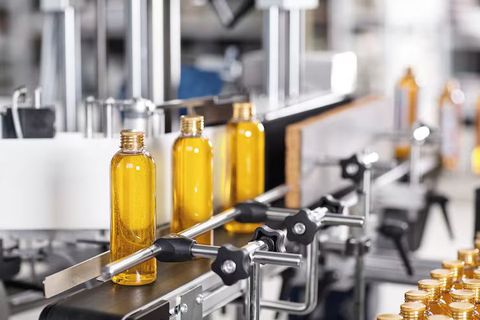
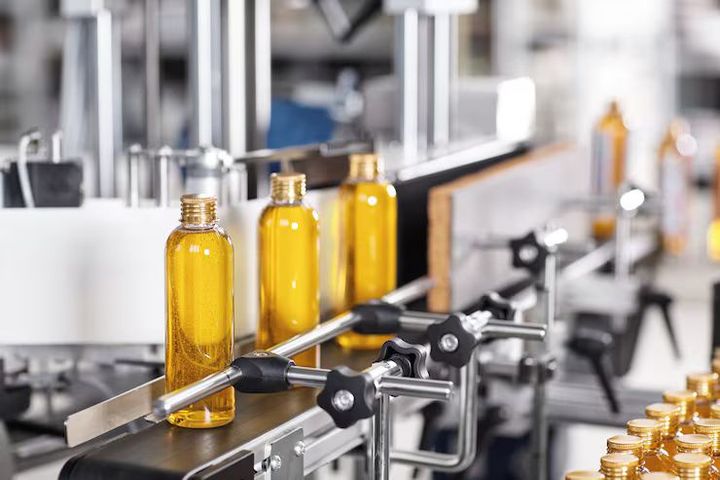
Industrial packaging machines are specialized systems used in manufacturing environments to pack products efficiently, consistently, and safely. These machines are integrated into production lines to handle tasks such as filling, sealing, labeling, wrapping, and palletizing goods before they are distributed.
The need for industrial packaging automation has grown alongside large-scale manufacturing. As industries began producing goods in higher volumes, manual packaging became inefficient and prone to errors. Packaging machinery was introduced to standardize processes, reduce human effort, and improve overall productivity.
These machines are used across various industries including food processing, pharmaceuticals, chemicals, consumer goods, and logistics. Common types include filling machines, sealing machines, labeling systems, shrink-wrapping units, and automated palletizers. Each machine is designed to perform a specific function within the packaging workflow.
Industrial packaging systems often operate as part of a fully automated production line, where products move seamlessly from manufacturing to packaging without interruption. This integration ensures speed, consistency, and quality control
Importance – Why Industrial Packaging Machines Matter Today
Industrial packaging machines play a critical role in modern manufacturing and supply chains. Their importance has increased due to rising demand for efficiency, safety, and scalability.
One of the primary benefits is improved productivity. Automated packaging systems can handle large volumes of products in a shorter time compared to manual processes. This is particularly important in industries with high production output, such as food and beverage or pharmaceuticals.
Another key advantage is consistency. Machines ensure uniform packaging, which is essential for branding, compliance, and customer satisfaction. In industries like pharmaceuticals, precise packaging is crucial for safety and regulatory compliance.
Industrial packaging machines also help reduce errors and waste. Automated systems minimize the risk of incorrect labeling, improper sealing, or product damage. This leads to better resource utilization and reduced operational inefficiencies.
Workplace safety is another important factor. By automating repetitive and potentially hazardous tasks, these machines reduce the risk of injuries for workers. This is especially relevant in environments involving heavy lifting or high-speed operations.
Additionally, packaging machines support scalability. As production demands increase, automated systems can be adjusted or upgraded to handle higher volumes without significant changes to the overall workflow.
Recent Updates – Trends and Developments in the Past Year
The industrial packaging sector has seen several advancements and trends over the past year, particularly driven by digital transformation and sustainability concerns.
In 2025, there has been increased adoption of smart packaging machines equipped with IoT (Internet of Things) capabilities. These machines can collect and analyze data in real time, enabling predictive maintenance and reducing downtime. This trend is often referred to as Industry 4.0 integration.
Another notable development is the rise of sustainable packaging solutions. Manufacturers are increasingly focusing on machines that support biodegradable materials, recyclable packaging, and reduced material usage. This shift is driven by environmental regulations and consumer awareness.
Robotics and AI-based automation have also gained traction. Advanced robotic arms are now used for tasks such as sorting, picking, and palletizing. AI-driven systems help optimize packaging processes by analyzing production data and improving efficiency.
Flexible packaging systems have become more popular as well. These machines can handle multiple product types and packaging formats, making them suitable for industries with diverse product lines.
In addition, there has been a focus on energy-efficient machinery. Modern packaging systems are designed to consume less energy while maintaining high performance, aligning with global sustainability goals.
Laws or Policies – Regulatory Influence on Packaging Machinery
Industrial packaging machines are subject to various laws and regulations that ensure safety, quality, and environmental compliance. These regulations vary by country but generally follow similar principles.
In India, packaging machinery and processes are influenced by standards set by organizations such as the Bureau of Indian Standards (BIS). These standards ensure that machinery meets safety and performance requirements.
For industries like food and pharmaceuticals, regulatory bodies such as the Food Safety and Standards Authority of India (FSSAI) and the Central Drugs Standard Control Organization (CDSCO) play a significant role. Packaging machines used in these sectors must comply with hygiene and safety guidelines.
Environmental regulations also impact packaging machinery. Policies promoting waste reduction and recycling require manufacturers to adopt machines that support eco-friendly packaging materials. Extended Producer Responsibility (EPR) guidelines encourage companies to manage the lifecycle of their packaging materials.
Workplace safety regulations, such as those under the Factories Act, mandate the use of safe machinery and proper maintenance practices. Packaging machines must include safety features like emergency stop systems, guards, and sensors to protect operators.
International standards such as ISO certifications are also relevant, especially for companies involved in global trade. Compliance with these standards ensures compatibility and acceptance in international markets.
Tools and Resources – Helpful Solutions for Industrial Packaging
Several tools and resources support the effective use and management of industrial packaging machines. These tools help improve efficiency, monitor performance, and ensure compliance.
Common Tools Used in Packaging Operations
| Tool Type | Purpose |
|---|---|
| Packaging Line Monitoring Software | Tracks machine performance and identifies inefficiencies |
| Predictive Maintenance Systems | Uses data analytics to prevent machine breakdowns |
| Label Design Software | Creates standardized and compliant product labels |
| Production Planning Systems | Optimizes workflow and packaging schedules |
| Quality Control Systems | Ensures packaging meets required standards |
Digital Technologies Supporting Packaging Systems
Modern packaging machines often integrate with digital platforms that provide real-time insights. These platforms allow operators to monitor machine performance, track production metrics, and detect issues early.
Cloud-based systems are also becoming common, enabling remote monitoring and data storage. This is particularly useful for large manufacturing facilities with multiple production lines.
Simulation tools are another valuable resource. These tools allow manufacturers to test packaging processes virtually before implementing them on the production floor, reducing risks and improving efficiency.
Training resources, including digital manuals and virtual training modules, help operators understand machine functions and maintenance procedures. Proper training ensures safe and effective machine operation.
FAQs – Common Questions About Industrial Packaging Machines
What are the main types of industrial packaging machines?
Industrial packaging machines include filling machines, sealing machines, labeling systems, wrapping machines, and palletizing equipment. Each type performs a specific function within the packaging process.
How do packaging machines improve efficiency?
Packaging machines automate repetitive tasks, reduce manual labor, and increase production speed. They also minimize errors and ensure consistent packaging quality.
Are packaging machines suitable for all industries?
Yes, packaging machines are used in a wide range of industries, including food, pharmaceuticals, chemicals, and consumer goods. The type of machine depends on the product and packaging requirements.
What is the role of automation in packaging systems?
Automation allows packaging machines to operate with minimal human intervention. It improves accuracy, reduces downtime, and enables continuous production.
How do regulations affect packaging machinery?
Regulations ensure that packaging machines meet safety, hygiene, and environmental standards. Compliance is essential for legal operation and product quality assurance.
Conclusion
Industrial packaging machines are a vital component of modern production lines. They enable efficient, consistent, and safe packaging processes across various industries. As manufacturing continues to evolve, these machines are becoming more advanced, incorporating digital technologies, automation, and sustainable practices.
The growing focus on efficiency, compliance, and environmental responsibility has further highlighted the importance of packaging machinery. With ongoing innovations in robotics, AI, and IoT, industrial packaging systems are expected to become even more intelligent and adaptable.
Understanding how these machines work, their benefits, and the regulations surrounding them helps businesses and individuals make informed decisions. As industries continue to expand, the role of industrial packaging machines will remain essential in supporting scalable and reliable production systems.