Explore Handloom and Embroidery Destinations With Artisan Traditions and Travel Tips
Handloom and embroidery destinations are places where textile traditions have developed through generations of weaving, dyeing, stitching, printing, and decorative needlework. These traditions are closely connected with local history, community practices, regional materials, clothing styles, and cultural identity.
Traveling to such destinations allows visitors to understand how textiles are created and how traditional techniques continue to exist alongside contemporary production.
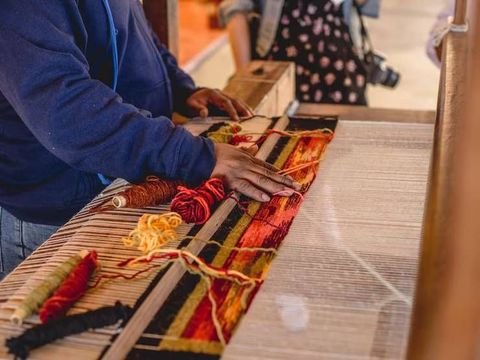
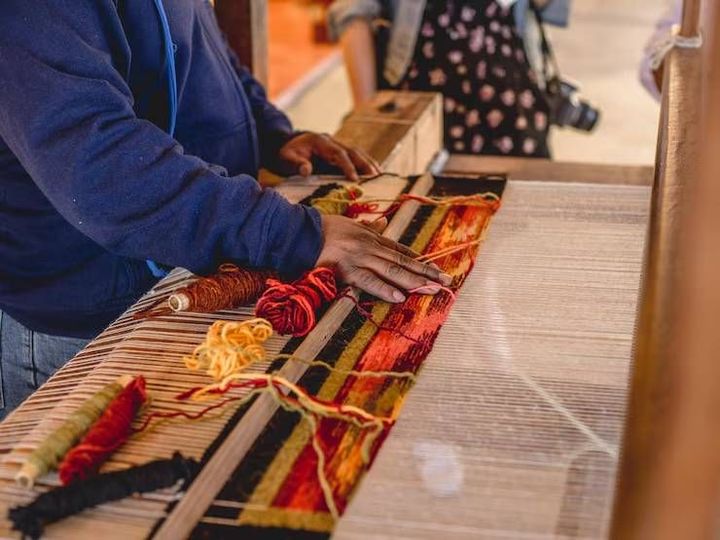
Handloom production uses looms operated manually or with limited mechanical assistance. Weavers interlace yarns to create fabric, often using regionally recognized patterns, colors, structures, or motifs. Embroidery is different because decorative designs are added to a fabric surface using needles, threads, beads, mirrors, sequins, or other materials.
Across India, textile traditions vary considerably between regions. Some destinations are associated with silk weaving, while others are known for cotton fabrics, wool, block printing, intricate embroidery, or patterned textiles. The differences can often be traced to local climate, available fibers, historical trade routes, community knowledge, and cultural practices.
Textile tourism has developed as part of cultural travel. Visitors may explore weaving neighborhoods, craft villages, museums, textile centers, workshops, exhibitions, and heritage markets. These experiences provide a closer view of production methods than conventional sightseeing alone.
Understanding Handloom Traditions
Handloom weaving involves several stages before a finished fabric is created. Yarn may be prepared, dyed, wound, arranged on the loom, and then woven according to a particular pattern.
The loom itself can vary considerably. Some traditional looms are relatively simple, while others are designed for complex patterns that require careful coordination between warp and weft threads.
Common textile characteristics include:
Natural or blended fibers
Regional weaving structures
Traditional motifs
Hand-applied decorative elements
Natural or synthetic dyes
Specialized looms
Community-specific techniques
The amount of manual work depends on the particular textile tradition and production method.
Understanding Embroidery Traditions
Embroidery can be practiced on clothing, household textiles, accessories, ceremonial fabrics, and decorative pieces. Techniques differ according to the region and community.
Some forms emphasize geometric patterns, while others use flowers, animals, architectural motifs, or abstract designs. Embroidery can also include mirrors, beads, metallic threads, sequins, or layered fabric techniques.
Understanding the difference between hand embroidery, machine embroidery, printed decoration, and mixed techniques can help travelers interpret what they see during a textile-focused journey.
Importance
Handloom and embroidery destinations matter because textile traditions represent forms of cultural knowledge that are often connected with particular communities and geographic areas. A weaving technique may depend on skills learned through long periods of practice, while embroidery patterns can reflect regional stories, ceremonies, clothing traditions, and artistic preferences.
These destinations also contribute to cultural tourism. Visitors can learn about production methods while exploring museums, heritage neighborhoods, workshops, craft centers, and local cultural institutions.
Who Is Interested in Textile Travel?
Handloom and embroidery travel can appeal to many types of visitors. Cultural travelers may be interested in historical techniques, while students and design enthusiasts may want to understand textiles through practical demonstrations.
Other travelers may focus on:
Traditional clothing
Textile history
Craft techniques
Regional architecture
Cultural festivals
Artisan communities
Natural fibers and dyes
Textile museums
Heritage markets
Photography and documentation
The experience can also provide useful context for understanding how regional clothing developed over time.
Major Handloom and Embroidery Regions
India has numerous textile traditions distributed across different regions. Varanasi is widely associated with intricate silk weaving, while Kanchipuram has a long association with silk textiles. Odisha is known for textile traditions including ikat techniques and appliqué work.
Gujarat and Rajasthan have extensive traditions involving embroidery, printed textiles, weaving, and decorative techniques. Kashmir is associated with woolen textiles and intricate embroidery, while Assam has distinctive weaving traditions connected with regional clothing and cultural identity.
A simplified regional overview is shown below:
| Destination or Region | Textile Tradition | Common Features |
|---|---|---|
| Varanasi | Silk weaving | Detailed patterns and brocade work |
| Kanchipuram | Silk weaving | Structured designs and traditional motifs |
| Odisha | Ikat and appliqué | Patterned weaving and decorative work |
| Gujarat | Weaving and embroidery | Geometric motifs and colorful decoration |
| Rajasthan | Embroidery and printing | Decorative stitching and patterned textiles |
| Kashmir | Wool and embroidery | Fine needlework and warm textiles |
| Assam | Handloom weaving | Regional garments and woven motifs |
| West Bengal | Cotton and silk weaving | Regional patterns and textile traditions |
These descriptions represent broad regional associations rather than fixed boundaries. Individual towns and communities may practice several textile techniques at the same time.
Travel Etiquette at Artisan Locations
Visitors entering workshops or community production spaces should remember that these are working environments. Photography may not always be appropriate, particularly when people are concentrating on detailed manual work.
It is also useful to ask before touching textiles, tools, looms, unfinished pieces, or personal materials. Respectful interaction allows visitors to learn about techniques without disrupting normal production activities.
Recent Updates
Between 2024 and 2026, textile tourism has continued to intersect with cultural preservation, digital documentation, craft education, sustainable materials, and contemporary design. Handloom communities are increasingly visible through exhibitions, digital storytelling, cultural events, and online educational material.
Digital Documentation of Craft Traditions
Digital platforms have made it easier to document textile techniques, regional motifs, artisan histories, and production processes. Museums, cultural institutions, educational groups, and craft organizations can use digital archives to preserve information that might otherwise remain limited to local communities.
Digital documentation can include photographs, interviews, technical descriptions, videos, pattern records, and historical material. Such records can help students and researchers study textile traditions without relying entirely on physical travel.
Contemporary Textile Design
Traditional weaving and embroidery techniques are also being incorporated into contemporary clothing, interiors, accessories, and design education. Designers may study traditional structures and motifs while developing new applications.
This does not mean every traditional textile has the same design history. Each craft community has its own methods, cultural context, and rules concerning motifs and production.
Sustainability and Material Awareness
Travelers are increasingly interested in how textiles are produced and what materials are used. Questions may include whether fibers are natural or synthetic, how dyes are applied, how much water is used, and how textile waste is managed.
Some craft communities and textile institutions are exploring natural dyes, responsible material use, recycling, waste reduction, and resource-efficient production. Practices differ widely, so environmental claims should be considered according to the specific textile and production process.
Craft Experiences and Cultural Travel
Textile-related workshops, museum programs, demonstrations, and cultural tours have become part of broader experiential travel. Instead of only viewing finished textiles, visitors may learn about spinning, weaving, dyeing, printing, stitching, or pattern development.
Educational experiences can make a destination more meaningful by connecting finished textiles with the people, tools, techniques, and cultural history behind them.
Laws or Policies
Handloom and embroidery traditions in India are influenced by cultural heritage policies, textile legislation, geographical indication frameworks, product labeling requirements, intellectual property rules, and government-supported craft development programs.
Handloom Protection
India has legislation concerning the reservation of certain articles for production through handlooms. The Handlooms Reservation Act provides a framework intended to protect designated products and traditional handloom production from particular forms of mechanized production.
Textile labeling and identification can also help distinguish handloom products from other textile categories. Travelers should understand that the term handloom relates to the method of weaving and does not automatically describe the fiber, quality, dye, or decorative technique.
Geographical Indications
Some regional textile products have Geographical Indication recognition. A geographical indication identifies products associated with a particular geographical area and can relate to qualities, reputation, or characteristics connected with that location.
Examples across Indian textiles include recognized regional products associated with weaving, embroidery, printing, or specialized textile production. GI recognition does not mean every textile produced in a region automatically carries that status; specific product definitions and authorized use requirements apply.
Cultural Heritage Protection
Craft traditions can also intersect with broader cultural heritage policies. Museums, cultural institutions, state programs, educational organizations, and craft development initiatives may document techniques and support training or preservation activities.
Visitors should also follow local rules concerning photography, protected heritage locations, museums, religious spaces, and cultural events.
Tools and Resources
Planning a handloom and embroidery journey can involve several digital and physical resources. Maps can help identify textile museums, heritage areas, craft centers, cultural institutions, and transportation connections.
Museum catalogs and textile databases can help travelers understand regional terminology before visiting. Textile glossaries are particularly useful because names for weaving structures, embroidery techniques, fibers, and garments can vary between regions.
Useful planning resources include:
Digital maps
Museum catalogs
Textile history databases
Craft technique glossaries
Cultural heritage calendars
Travel itinerary planners
Public transportation maps
Regional tourism information
Textile identification guides
Photography checklists
Language translation tools
Weather planning applications
A textile-focused itinerary can be organized around a few major categories:
| Travel Focus | Possible Experience | Useful Preparation |
|---|---|---|
| Weaving | Loom demonstrations | Learn basic weaving terms |
| Embroidery | Stitching demonstrations | Understand regional motifs |
| Textile history | Museum visits | Review historical background |
| Natural dyes | Dyeing demonstrations | Learn basic fiber information |
| Craft communities | Workshop visits | Check photography rules |
| Heritage markets | Textile exploration | Compare techniques and labels |
| Cultural events | Festivals or exhibitions | Review local etiquette |
Travelers can also maintain a digital textile journal containing photographs, location notes, technique names, fiber information, and historical observations. This can make it easier to remember differences between destinations and understand how techniques relate to local culture.
FAQs
What are handloom and embroidery destinations?
Handloom and embroidery destinations are places known for traditional weaving, stitching, dyeing, printing, or decorative textile techniques. They can include craft villages, textile centers, museums, heritage areas, and communities with established textile traditions.
Which destinations are known for handloom traditions in India?
Regions associated with significant handloom traditions include Varanasi, Kanchipuram, Odisha, Gujarat, Rajasthan, Kashmir, Assam, and West Bengal. Each has different fibers, weaving structures, motifs, garments, and historical influences.
What can travelers learn at embroidery destinations?
Visitors may learn about stitching methods, regional motifs, fabric preparation, decorative materials, cultural meanings, and the historical development of embroidery. Some locations also provide demonstrations or educational workshops.
How can travelers identify authentic handloom textiles?
Travelers can examine product labeling, production information, recognized certification or identification marks, and the reputation of the specific craft institution or producer. Understanding regional techniques can also help distinguish weaving methods from printed or machine-produced decoration.
What should travelers know before visiting artisan workshops?
Visitors should check opening arrangements, photography rules, cultural expectations, and workshop access conditions. It is respectful to ask before photographing people, handling tools, or entering active production areas.
Conclusion
Handloom and embroidery destinations provide opportunities to understand weaving, stitching, dyeing, printing, and textile traditions within their cultural settings. Regions across India have developed distinct techniques shaped by local materials, history, community knowledge, and clothing traditions. Recent developments include digital documentation, craft education, contemporary design applications, and greater interest in material practices. Responsible textile travel involves learning about local traditions while respecting artisan spaces, cultural rules, and heritage practices.