Guide to Industrial Automation: The Role of Robotics in Modern Industry
Industrial automation refers to the use of machines, control systems, and technology to perform tasks with minimal human involvement. Within this field, robotics plays a central role in transforming how modern industry operates. Industrial automation and robotics are closely linked, as robots are often the physical systems that carry out automated processes in factories, warehouses, and production facilities.
The concept of automation began during the Industrial Revolution, when mechanical systems replaced manual labor in certain tasks. Over time, advancements in electronics, computing, and artificial intelligence expanded what machines could do. Today, robotics in modern industry includes programmable machines that can assemble products, handle materials, inspect quality, and even collaborate with human workers.
Industrial automation exists to improve consistency, reduce human error, and manage repetitive or physically demanding tasks. As industries grow more complex, automation systems supported by robotics help maintain efficiency and adaptability across different sectors.
Importance
Industrial automation and robotics matter because they influence how goods are produced, packaged, and delivered. These systems affect industries such as manufacturing, healthcare equipment production, agriculture, and logistics. For everyday people, this can shape product availability, quality standards, and production timelines.
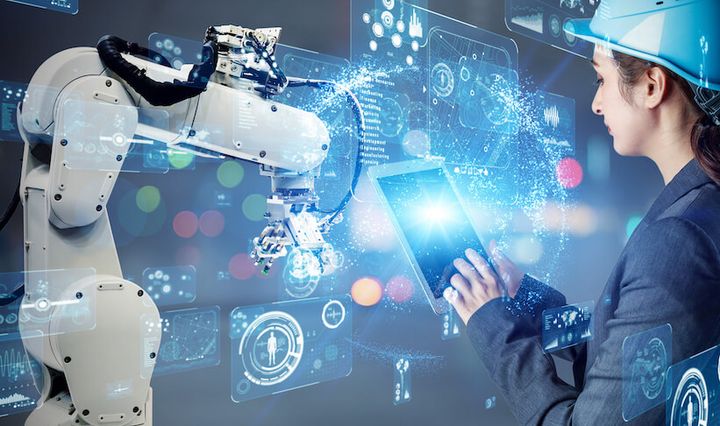
One key role of robotics in modern industry is handling repetitive tasks. Machines can operate continuously with consistent precision, which is useful in environments where uniformity is required. For example, robotic arms in assembly lines can perform the same motion thousands of times with minimal variation.
Automation also supports workplace safety. Tasks involving heavy lifting, hazardous materials, or extreme temperatures can be assigned to machines instead of humans. This reduces exposure to risky conditions and helps industries manage safety concerns more effectively.
Another important aspect is scalability. Industrial automation allows companies to adjust production levels without major structural changes. Robotics systems can often be reprogrammed or adapted to handle new tasks, which supports flexibility in changing market conditions.
Common challenges addressed by industrial automation include:
- Human fatigue in repetitive work, which can lead to errors over time
- Inconsistent product quality due to manual variations
- Delays in production cycles when processes depend heavily on human intervention
- Safety risks in environments with high temperatures, chemicals, or heavy machinery
By integrating robotics, industries can address these issues while maintaining steady output levels.
Recent Updates
Recent developments in industrial automation and robotics reflect a shift toward smarter and more connected systems. From 2024 onward, several trends have shaped how automation is applied in modern industry.
One noticeable trend is the integration of artificial intelligence into robotics. AI in industrial automation allows machines to analyze data, recognize patterns, and adjust operations without constant human input. For example, robotic systems can now detect defects in products using visual recognition systems and adapt their actions accordingly.
Collaborative robots, often called cobots, have become more common. Unlike traditional industrial robots that operate in isolated areas, cobots are designed to work alongside humans. They are equipped with sensors that help them respond to human presence, making shared workspaces more practical.
Another trend is the use of digital twins. A digital twin is a virtual model of a physical system, such as a production line. Engineers can simulate changes in the virtual model before applying them in real operations, reducing disruptions and improving planning.
Cloud-based automation platforms are also gaining attention. These platforms allow companies to monitor and control robotic systems remotely. Data collected from machines can be analyzed to identify inefficiencies or predict maintenance needs.
The table below summarizes key components of modern industrial automation:
| Component | Description |
|---|---|
| Industrial robots | Machines programmed to perform tasks such as assembly and material handling |
| Sensors and actuators | Devices that detect changes and enable movement or control |
| Control systems | Software and hardware that manage operations and workflows |
| AI and machine learning | Technologies that enable decision-making and pattern recognition |
| Connectivity (IoT) | Systems that link machines for data exchange and monitoring |
These developments show how industrial automation is evolving from simple mechanization to intelligent, interconnected systems.
Laws or Policies
Industrial automation and robotics are influenced by various laws and policies that focus on safety, labor practices, and data protection. Governments and regulatory bodies set guidelines to ensure that automation technologies are used responsibly.
Safety standards are a primary concern. Many countries follow international frameworks such as ISO standards for robotics and machinery safety. These standards define how robots should be designed, installed, and maintained to reduce risks in the workplace.
In India, industrial automation is shaped by regulations related to workplace safety and manufacturing practices. Laws such as the Factories Act outline requirements for safe working environments, including the use of machinery. When robotics systems are introduced, they must comply with these safety rules.
Data protection policies also play a role. As automation systems collect and process data, companies must follow regulations related to data privacy and cybersecurity. This is especially relevant when cloud-based systems or connected devices are used.
Additionally, government programs that encourage digital transformation can influence the adoption of automation technologies. These programs often focus on improving manufacturing capabilities and supporting technological development, though they do not mandate specific technologies.
Overall, laws and policies aim to balance technological progress with safety, accountability, and ethical considerations.
Tools and Resources
Various tools and resources support the implementation and understanding of industrial automation and robotics. These tools are used by engineers, planners, and educators to design, simulate, and manage automated systems.
Simulation software is widely used to model production processes. These tools allow users to test how robotic systems will behave in a virtual environment before physical deployment. This helps identify potential issues early in the design stage.
Programming platforms are essential for controlling industrial robots. Many robotics systems use specialized programming languages or visual interfaces that define movement, timing, and interaction with other machines.
Learning platforms and technical documentation provide guidance on automation concepts. These resources often include tutorials, case studies, and examples that explain how robotics systems operate in different industries.
Common tools and resources include:
- Simulation tools, which create virtual models of production systems for testing and planning
- Robot programming environments, which define tasks and workflows for machines
- Industrial IoT dashboards, which monitor machine performance and data in real time
- Technical standards documentation, which outlines safety and operational guidelines
- Educational platforms, which explain concepts related to industrial automation and robotics
These resources help bridge the gap between theoretical knowledge and practical application.
FAQs
What is industrial automation and how does it relate to robotics?
Industrial automation involves using machines and control systems to perform tasks with minimal human involvement. Robotics is a key part of this system, as robots carry out many of the automated tasks in production and manufacturing environments.
How is robotics used in modern industry?
Robotics in modern industry is used for tasks such as assembly, packaging, inspection, and material handling. Robots can perform repetitive actions with consistent accuracy, which supports efficient production processes.
What are the benefits of industrial automation and robotics?
Industrial automation and robotics can improve consistency, reduce human error, and enhance workplace safety. They also allow industries to manage repetitive tasks and adapt to changing production needs more efficiently.
Is AI important in industrial automation?
AI in industrial automation enables machines to analyze data, recognize patterns, and make adjustments during operations. This supports smarter decision-making and helps improve the performance of robotic systems.
What industries use industrial automation the most?
Industries such as manufacturing, automotive production, electronics, logistics, and food processing commonly use industrial automation and robotics. These sectors often require precise, repetitive, and scalable processes.
Conclusion
Industrial automation and the role of robotics in modern industry continue to shape how production systems operate. These technologies support efficiency, safety, and consistency across a wide range of sectors. As advancements in AI and connectivity develop further, automation systems are becoming more adaptive and interconnected. Understanding these changes helps explain how modern industries manage complex processes and maintain steady output. Robotics remains a central component in this ongoing transformation.