EV Battery Manufacturing Explained: A Comprehensive Guide to Modern Production
Electric Vehicle (EV) battery manufacturing has become a cornerstone of the clean energy revolution. EV batteries, primarily lithium-ion based, power electric cars, buses, and other mobility solutions. Their production combines advanced chemistry, precision engineering, and sustainable energy practices.
EV battery manufacturing is the process of creating rechargeable batteries used in electric vehicles. These batteries store electrical energy and power everything from small two-wheelers to large passenger cars and commercial vehicles. As electric mobility has expanded globally, EV battery production has become a central part of modern transportation systems.
The foundation of EV battery technology lies in lithium-ion chemistry, which allows batteries to store large amounts of energy while remaining relatively lightweight. Over time, manufacturing methods have evolved to improve energy density, safety, and durability. EV battery raw materials such as lithium, cobalt, nickel, and graphite are processed and assembled into battery cells, which are then grouped into modules and packs.
The rise of battery manufacturing automation and digital systems has also transformed how these batteries are produced. Automation reduces human error, while AI in battery manufacturing helps monitor quality and predict potential defects. Together, these developments support large-scale production needed to meet growing global demand.
Importance
EV battery manufacturing plays a significant role in the shift toward cleaner transportation. As governments and industries work to reduce emissions, electric vehicles are becoming more common. The battery is one of the most critical components, as it determines vehicle range, performance, and charging behavior.
For everyday users, improvements in EV battery technology affect how practical electric vehicles are. Longer battery life, faster charging, and improved safety features contribute to a more reliable driving experience. Efficient EV battery production also helps maintain a stable supply of vehicles as adoption increases.
Several broader challenges are addressed through advancements in this field. These include reducing dependence on fossil fuels, managing environmental impact, and improving energy efficiency. At the same time, sourcing EV battery raw materials responsibly remains a concern, as mining and processing can affect ecosystems and communities.
Industries beyond automotive are also influenced. Energy storage systems, public transport, and grid infrastructure rely on similar battery technologies. This makes EV battery manufacturing relevant not only to vehicle users but also to wider energy systems.
Recent Updates
Recent years have seen steady progress in EV battery technology and manufacturing methods. One notable trend is the development of alternative battery chemistries. While lithium-ion remains dominant, variations such as lithium iron phosphate (LFP) are increasingly used due to their stability and longer lifecycle.
Battery manufacturing automation has expanded significantly. Modern production lines use robotics to handle delicate components, improving consistency and reducing defects. AI in battery manufacturing is also becoming more common, helping manufacturers analyze data from sensors and optimize production processes in real time.
Another development is the focus on recycling and reuse. As more batteries reach the end of their lifecycle, recycling systems are being developed to recover valuable EV battery raw materials. This reduces the need for new mining and supports a more circular approach to production.
Scaling production capacity is also a key trend. Many regions are investing in large battery manufacturing facilities to meet rising demand. These facilities are designed to produce batteries at higher volumes while maintaining strict quality standards.
Laws or Policies
EV battery manufacturing is shaped by various regulations and policy frameworks, particularly in countries like India where electric mobility is growing. Government programs aim to support local EV battery production and reduce reliance on imports.
Policies often focus on three main areas. First, safety standards define how electric vehicle batteries must be designed, tested, and transported. These standards help reduce risks such as overheating or short circuits.
Second, environmental regulations address the impact of EV battery raw materials and production processes. Manufacturers are expected to follow guidelines for waste management, emissions, and recycling. Extended producer responsibility (EPR) policies may require companies to manage battery disposal after use.
Third, incentive programs encourage investment in EV battery manufacturing. These may include support for research, infrastructure development, and domestic production. Such policies aim to strengthen supply chains and promote technological innovation.
Internationally, trade and sourcing regulations also influence the availability of key materials. These rules can affect how EV battery production is planned and where manufacturing facilities are located.
Tools and Resources
Understanding EV battery manufacturing can be easier with access to various tools and informational platforms. These resources provide insights into production processes, materials, and performance metrics.
Some commonly used tools and resources include:
- Battery design software, which helps engineers model cell structures and predict performance under different conditions
- Lifecycle analysis tools, which evaluate the environmental impact of EV battery production from raw materials to disposal
- Data monitoring platforms, often integrated with AI in battery manufacturing, that track temperature, voltage, and quality during production
- Government and research websites, which publish reports on EV battery technology, policies, and industry trends
- Educational platforms and technical documentation, which explain battery manufacturing automation and production workflows in simple terms
Below is a simplified overview of key stages in EV battery manufacturing:
| Stage | Description |
|---|---|
| Raw Material Processing | Extraction and refinement of lithium, nickel, cobalt, and graphite |
| Electrode Preparation | Coating and drying of active materials onto metal foils |
| Cell Assembly | Combining electrodes, separators, and electrolytes into battery cells |
| Module Formation | Grouping multiple cells into modules for stability and performance |
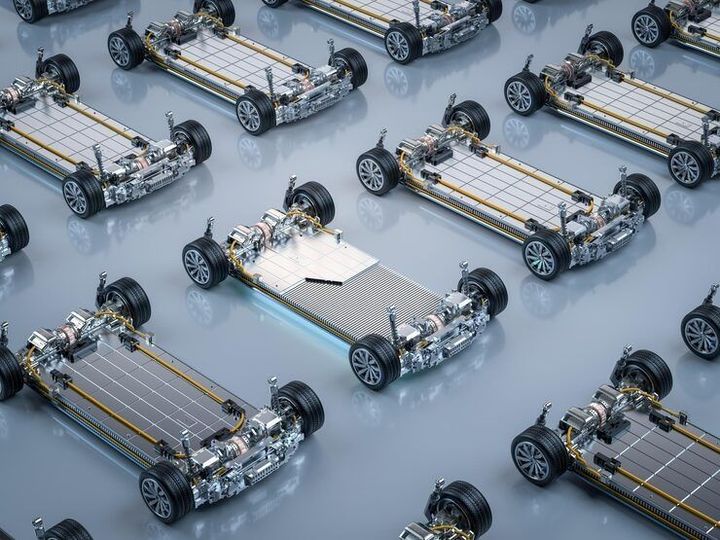
| Battery Pack Assembly | Integrating modules with cooling systems and control electronics |
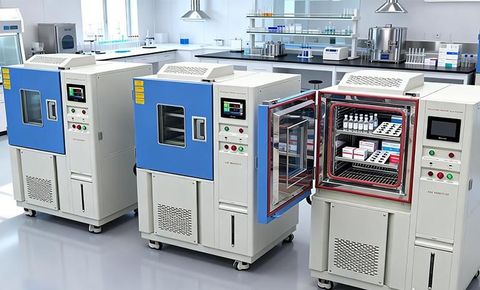
| Testing and Quality Check | Ensuring safety, efficiency, and reliability before final use |
These stages highlight how EV battery production involves both chemical and mechanical processes, supported by automation and digital monitoring systems.
FAQs
What is EV battery manufacturing?
EV battery manufacturing refers to the process of producing rechargeable batteries used in electric vehicles. It includes sourcing EV battery raw materials, assembling battery cells, and integrating them into complete battery packs.
How does EV battery production work?
EV battery production involves several steps, including material processing, electrode preparation, cell assembly, and testing. Advanced systems like battery manufacturing automation and AI in battery manufacturing are used to improve efficiency and quality.
What materials are used in electric vehicle battery production?
Electric vehicle battery production commonly uses materials such as lithium, cobalt, nickel, and graphite. These materials are essential for storing and transferring energy within the battery.
How is AI used in battery manufacturing?
AI in battery manufacturing is used to monitor production processes, detect defects, and optimize performance. It analyzes data from sensors to improve consistency and reduce waste during EV battery production.
Why is EV battery technology important?
EV battery technology is important because it determines how far an electric vehicle can travel, how quickly it can charge, and how long the battery lasts. Improvements in this area support wider adoption of electric mobility.
Conclusion
EV battery manufacturing is a complex process that combines materials science, engineering, and digital technology. It plays a central role in the growth of electric vehicles and the transition to cleaner energy systems. Advances in EV battery technology, automation, and AI continue to improve efficiency and reliability. At the same time, policies and resource management remain important factors shaping the future of EV battery production.