EV Battery Manufacturing Explained: A Comprehensive Guide to Modern Production
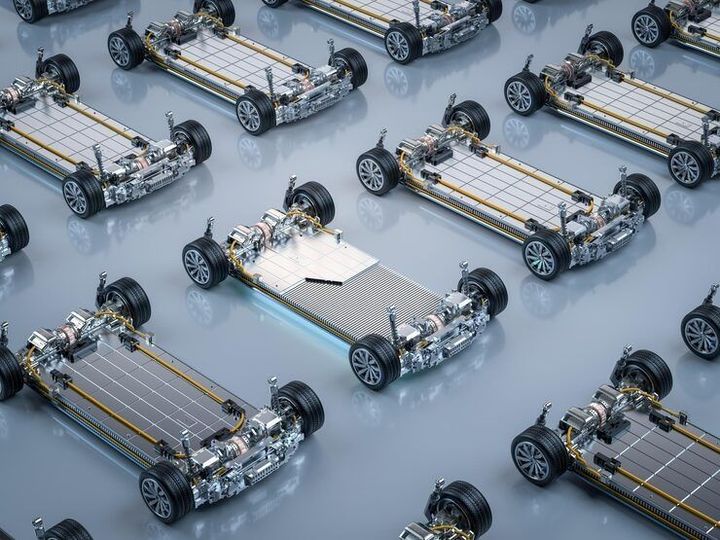
Electric Vehicle (EV) battery manufacturing has become a cornerstone of the clean energy revolution. EV batteries, primarily lithium-ion based, power electric cars, buses, and other mobility solutions. Their production combines advanced chemistry, precision engineering, and sustainable energy practices.
The manufacturing process involves several key stages — from raw material extraction and electrode preparation to cell assembly, battery pack formation, and quality testing. These batteries are designed to store and release electrical energy efficiently, enabling the transition away from fossil-fuel-powered vehicles.
As countries strive toward carbon neutrality, EV batteries are not just components of transportation but critical enablers of a global shift toward renewable energy integration, smart mobility, and reduced greenhouse gas emissions.
Importance
The importance of EV battery manufacturing lies in its role at the intersection of climate action, technology innovation, and economic transformation.
Why EV Batteries Matter Today
-
Decarbonization of Transport:
EV batteries eliminate direct emissions from vehicles, contributing to cleaner air and reduced urban pollution. -
Energy Independence:
Countries can reduce oil dependency by investing in localized battery production and renewable energy storage. -
Job Creation:
The EV ecosystem, including battery plants, creates new employment in engineering, materials science, automation, and recycling sectors. -
Technological Progress:
Innovations in materials such as solid-state electrolytes and silicon anodes promise higher energy density and improved safety. -
Circular Economy Impact:
Recycling and second-life battery programs help recover valuable metals like lithium, nickel, and cobalt, reducing mining pressure.
Problems It Solves
| Challenge | Solution Through EV Battery Manufacturing |
|---|---|
| Dependence on fossil fuels | Enables clean, electric mobility |
| High carbon emissions | Promotes low-emission transportation |
| Energy inefficiency | Improves energy storage and grid balance |
| Resource scarcity | Encourages recycling and reuse of materials |
| Industrial pollution | Drives innovation in green production |
EV battery manufacturing is not just an industrial activity — it represents a systemic shift toward sustainable infrastructure and energy resilience.
Recent Updates
The EV battery industry is evolving rapidly due to advances in chemistry, digitalization, and automation. Between 2024 and 2025, the global market saw major developments aimed at improving efficiency, cost-effectiveness, and environmental impact.
Key Developments in 2024–2025
-
Solid-State Battery Progress (2025):
Companies are piloting solid-state batteries that replace liquid electrolytes with solid materials, offering faster charging, higher capacity, and improved safety. -
Sodium-Ion Technology (2024):
Sodium-based batteries emerged as a low-cost alternative to lithium-ion, particularly for entry-level EVs and grid storage solutions. -
Gigafactory Expansion:
More than 150 gigafactories are planned or operational globally, with major hubs in China, the USA, Europe, and India. -
AI and Automation Integration:
Machine learning tools are now being used to monitor cell formation, predict defects, and optimize energy efficiency during manufacturing. -
Battery Recycling Innovation:
The shift toward closed-loop recycling systems is helping recover up to 95% of critical metals, reducing waste and emissions. -
Raw Material Diversification:
Research is expanding beyond cobalt and nickel, focusing on lithium-iron-phosphate (LFP) and manganese-based chemistries that are safer and more sustainable.
Global EV Battery Market Snapshot (2025)
| Region | Market Share (%) | Key Strengths |
|---|---|---|
| Asia-Pacific | 65 | Cost efficiency, material supply chain |
| Europe | 20 | Sustainability and recycling leadership |
| North America | 12 | Innovation and high-end EV segment |
| Others | 3 | Emerging local markets |
Laws and Policies
Government policies are pivotal in driving EV battery production and adoption. Many nations have launched incentives, subsidies, and environmental regulations to promote sustainable manufacturing.
Key Global Regulatory Frameworks
| Region / Program | Policy / Regulation | Objective |
|---|---|---|
| United States | Inflation Reduction Act (2023) | Offers tax credits for local EV and battery manufacturing |
| European Union | Battery Regulation 2024 | Mandates responsible sourcing and recycling of materials |
| India | National Mission on Transformative Mobility (2025) | Encourages domestic battery cell manufacturing |
| China | New Energy Vehicle (NEV) Policy | Sets production quotas and recycling requirements |
| Global (UN / ISO) | ISO 14001, ISO 45001 | Establishes environmental and safety standards for plants |
Recent Policy Trends
-
Localization Incentives: Many countries now require domestic sourcing of battery materials to qualify for EV subsidies.
-
Recycling Mandates (2025): The EU and Japan require manufacturers to recycle a percentage of used batteries to recover metals.
-
Carbon Footprint Reporting: Battery makers must disclose lifecycle emissions, ensuring transparency across the supply chain.
-
Sustainable Mining Initiatives: Partnerships with resource countries ensure ethical and eco-friendly raw material extraction.
These frameworks ensure that EV battery production not only supports the transition to clean mobility but also aligns with environmental and ethical standards.
Tools and Resources
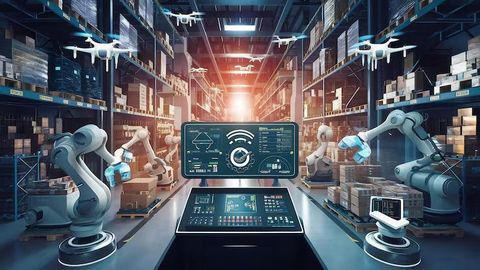
EV battery manufacturing depends on a blend of digital tools, process automation, and data analytics. These tools enhance precision, reduce waste, and streamline design and testing.
Useful Tools and Platforms
| Category | Tool / Platform | Function |
|---|---|---|
| Design and Simulation | COMSOL Multiphysics, ANSYS Battery Design Studio | Models thermal and electrochemical performance |
| Manufacturing Automation | Siemens Opcenter, Rockwell FactoryTalk | Controls automated assembly lines |
| Data Analytics | MATLAB, Python (BatteryML) | Predicts battery aging and performance trends |
| Material Databases | BatteryDB, NREL Materials Database | Provides data on materials and lifecycle impact |
| Lifecycle Assessment | OpenLCA, GREET Model | Evaluates environmental impact of production |
Best Practices in Battery Manufacturing
-
Maintain Cleanroom Conditions: Prevents contamination of cell components.
-
Ensure Temperature Stability: Consistent thermal control ensures material uniformity.
-
Adopt Closed-Loop Systems: Reduces water and chemical waste during production.
-
Integrate Recycling Early: Designing batteries for easy disassembly supports sustainability.
-
Digital Twin Integration: Real-time simulation enhances efficiency and fault prediction.
Recent Technological Trends
-
Hybrid Manufacturing Lines: Combining additive manufacturing with traditional processes for lightweight and compact battery packs.
-
AI-Driven Supply Chain Tracking: Enhancing material traceability from mining to assembly.
-
Modular Battery Packs: Simplifies repairs, upgrades, and recycling.
-
Smart Battery Management Systems (BMS): Uses IoT sensors for continuous monitoring of temperature, charge, and performance.
Graph: Global EV Battery Demand Growth
| Year | EV Battery Demand (GWh) |
|---|---|
| 2020 | 160 |
| 2023 | 420 |
| 2025 (projected) | 750 |
| 2030 (projected) | 1,500 |
Demand for EV batteries is expected to grow nearly tenfold by 2030, driven by mass EV adoption and grid energy storage solutions.
FAQs
1. What are EV batteries made of?
EV batteries primarily use lithium-ion chemistry, composed of materials such as lithium, cobalt, nickel, graphite, and manganese.
2. How long does an EV battery last?
The average lifespan is 8–15 years, depending on battery type, usage patterns, and climate conditions.
3. Can EV batteries be recycled?
Yes. Modern recycling methods can recover up to 90–95% of valuable materials, supporting sustainable production cycles.
4. What are the major challenges in battery manufacturing?
Challenges include supply chain limitations, environmental concerns in mining, high production costs, and maintaining battery safety.
5. Which countries lead in EV battery production?
China currently leads, followed by South Korea, Japan, the United States, and emerging hubs in Europe and India.
Conclusion
EV battery manufacturing is at the core of the global energy transformation, combining scientific innovation with sustainable practices. As demand for electric vehicles accelerates, manufacturers are adopting smarter, cleaner, and more efficient production systems.
Future advancements—such as solid-state designs, AI-driven quality control, and recycling integration—promise to make batteries not only more powerful but also more environmentally responsible.
This synergy of technology, policy, and sustainability positions EV battery manufacturing as a driving force behind the world’s transition to a cleaner and more resilient energy future.