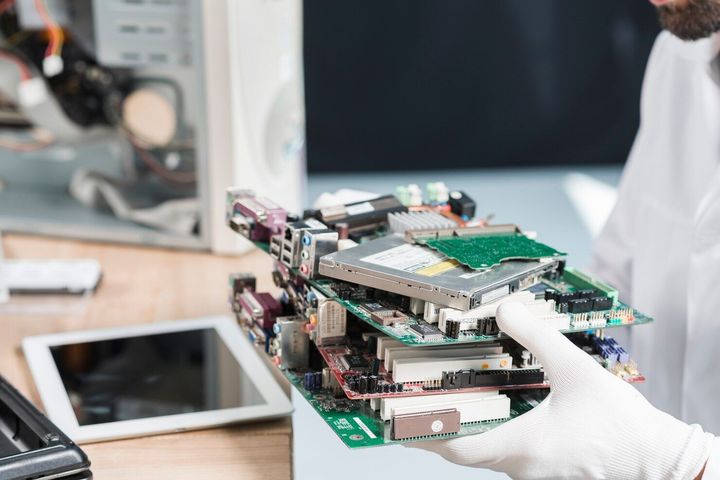
Unlike ordinary household waste, electronic devices contain a mix of valuable materials and potentially hazardous substances. Components such as copper, gold, lithium, and rare earth metals can be recovered and reused. However, electronics may also contain substances like lead, mercury, and cadmium, which can harm ecosystems if they are not processed safely.
The growth of consumer electronics, data centers, and smart devices has increased the volume of discarded technology worldwide. According to international environmental reports, global electronic waste generation continues to rise each year as technological innovation shortens device replacement cycles. This reality makes electronic waste management an increasingly important topic for governments, industries, and individuals.
Why Electronic Waste Management Matters Today
Electronic waste management is important because it directly affects environmental protection, resource conservation, and public health. The rapid expansion of digital technology has created a situation where devices are replaced faster than ever before. As a result, large quantities of obsolete electronics accumulate in landfills or informal recycling systems.
Improper handling of electronic waste can cause several environmental issues:
-
Toxic metals can seep into soil and groundwater.
-
Informal recycling methods may release harmful fumes.
-
Valuable materials that could be reused are permanently lost.
The issue also has economic implications. Electronics contain precious metals and high-value materials that are limited in supply globally. Recovering these materials through structured recycling systems helps reduce the need for new mining operations.
The following table shows common materials found in electronic devices and their potential impact when not managed properly.
| Material | Common Device Sources | Environmental Concern |
|---|
| Lead | Circuit boards, batteries | Soil and water contamination |
| Mercury | Screens and lighting components | Toxic to aquatic life |
| Lithium | Rechargeable batteries | Fire risk and chemical pollution |
| Gold and Copper | Wiring and processors | Resource loss if unrecovered |
Proper electronic waste management helps reduce environmental damage while improving the efficiency of material reuse within the global technology supply chain.
Recent Updates and Global Trends
Electronic waste management has become a major focus in environmental policy and technology innovation over the past year. Governments, research organizations, and recycling industries have introduced several initiatives to improve the handling of electronic waste.
In 2024, the Global E-Waste Monitor report highlighted that worldwide electronic waste generation exceeded 60 million metric tons annually, making it one of the fastest-growing waste streams. The report emphasized the need for stronger recycling infrastructure and more efficient material recovery systems.
Several trends have emerged during the past year:
-
Increased investment in automated recycling technology
-
Growth in circular economy policies focused on electronics
-
Development of AI-driven material sorting systems
-
Expansion of battery recycling programs for electric vehicles
Another major development occurred in 2025, when multiple countries introduced new regulations encouraging manufacturers to design products with easier disassembly and material recovery. These regulations aim to extend product lifecycles and simplify recycling processes.
The technology industry is also exploring modular device designs that allow parts to be replaced individually instead of discarding entire devices. Such innovations can reduce electronic waste generation significantly over time.
Laws and Policies Influencing Electronic Waste
Electronic waste management is heavily influenced by environmental regulations and government policies across different countries. These regulations are designed to control hazardous materials, promote recycling, and encourage responsible product design.
One of the most widely recognized international agreements is the Basel Convention, which regulates the movement of hazardous waste between countries. The convention aims to prevent the transfer of electronic waste to regions that lack proper recycling infrastructure.
Several countries have introduced Extended Producer Responsibility (EPR) regulations. Under EPR policies, manufacturers are responsible for the lifecycle management of electronic products, including recycling and disposal.
In India, electronic waste management is governed by the E-Waste Management Rules, which were updated in 2022 and implemented with additional compliance requirements in 2023. These regulations focus on:
-
Formal recycling systems
-
Manufacturer accountability
-
Digital tracking of electronic waste flows
-
Increased recovery targets for recyclers
The policy encourages structured collection and environmentally responsible recycling processes to reduce the environmental impact of discarded electronics.
Tools and Resources for Understanding Electronic Waste
A variety of digital platforms and tools help individuals and organizations better understand electronic waste management. These tools provide data, environmental insights, and lifecycle information about electronic devices.
Some useful resources include:
-
Global E-Waste Monitor reports – Annual research on global electronic waste trends
-
Environmental data dashboards – Tools that track waste generation statistics
-
Material lifecycle calculators – Estimate environmental impact of electronics
-
Circular economy research platforms – Provide insights on sustainable product design
The following table highlights several categories of tools commonly used in electronic waste analysis.
| Tool Type | Purpose | Example Use |
|---|
| Lifecycle calculators | Measure environmental impact | Evaluate device sustainability |
| Recycling databases | Track material recovery rates | Research recycling efficiency |
| Policy databases | Review regulations worldwide | Study compliance frameworks |
| Environmental reporting platforms | Monitor waste statistics | Analyze global trends |
These resources help researchers, policymakers, and organizations analyze electronic waste patterns and develop more sustainable technology ecosystems.
Frequently Asked Questions
What is considered electronic waste?
Electronic waste refers to discarded electrical or electronic devices such as computers, televisions, smartphones, batteries, and household appliances that rely on electrical power.
Why is electronic waste difficult to recycle?
Electronic devices contain complex mixtures of metals, plastics, and chemicals. Separating these materials safely requires specialized recycling technology and regulated processing facilities.
How fast is electronic waste increasing globally?
Electronic waste is currently one of the fastest-growing waste streams worldwide due to rapid technological innovation and shorter product replacement cycles.
What valuable materials are recovered from electronic waste?
Recycling processes can recover materials such as copper, gold, aluminum, lithium, and rare earth metals used in electronic manufacturing.
How do environmental policies influence electronic waste management?
Government regulations set recycling targets, restrict hazardous substances, and require manufacturers to participate in responsible product lifecycle management.
Conclusion
Electronic waste management plays a critical role in protecting the environment while supporting sustainable resource use. As digital technology continues to expand, the volume of discarded electronics grows each year, making responsible waste management more important than ever.
Proper handling of electronic waste helps reduce pollution, recover valuable materials, and prevent harmful chemicals from entering ecosystems. Governments worldwide are strengthening regulations and encouraging circular economy practices to address the growing challenge.
Technological innovation, policy development, and increased public awareness are shaping the future of electronic waste management. By improving recycling systems, promoting sustainable device design, and expanding environmental monitoring tools, societies can reduce the long-term impact of electronic waste while preserving valuable resources for future generations.