Drone Evolution and Its Impact on Industry & Daily Life: An In-Depth Overview
Drones, also known as unmanned aerial vehicles (UAVs), have evolved significantly since their inception. Originally developed for military use, drones now span multiple industries—from filmmaking and agriculture to logistics, law enforcement, and even personal recreation. This evolution reflects technological innovation, accessibility, and new commercial applications.

Why Drone Evolution Matters Today
The importance of drone evolution lies in its real-world applications:
-
Commercial growth: Drones have revolutionized delivery, inspections, and event coverage.
-
Economic impact: The global drone market is projected to reach over USD 90 billion by 2030.
-
Accessibility: Compact consumer drones are now available for hobbyists, travelers, and students.
-
Emergency support: Drones assist in search and rescue, wildfire detection, and disaster response.
Industries from agriculture to urban planning are embracing drones for efficiency and accuracy, changing how businesses and governments operate.
Recent Trends and Developments (2024–2025)
Over the past year, the drone landscape has changed rapidly:
-
AI integration: Many new drones now use AI-powered flight stabilization, object tracking, and obstacle detection.
-
5G-enabled drones: Real-time HD streaming and remote control over long distances are now possible with 5G.
-
Green drones: Companies are developing electric drones with solar charging and eco-friendly materials.
-
Swarm drones: Used in defense and public entertainment, swarm technology enables multiple drones to operate simultaneously.
Consumer-grade drones with 4K video, foldable design, and autonomous flying modes are increasingly popular in 2025 for travel and vlogging purposes.
Rules, Regulations, and Airspace Policies
Drone operation is regulated differently across countries. Below is a summary of key policy considerations:
-
India: The DGCA’s Digital Sky Platform mandates drone registration, remote pilot training, and airspace clearance for commercial drones.
-
USA: FAA requires drone registration and Part 107 certification for commercial drone pilots.
-
EU: The European Union Aviation Safety Agency (EASA) classifies drones based on use, requiring certification for certain categories.
Most regions restrict drones near airports, military bases, and over large crowds. Flying beyond visual line of sight (BVLOS) typically requires special permissions.
Tools and Platforms for Drone Users
Whether you’re a beginner or a commercial operator, these tools can help:
-
DJI Fly App – For controlling DJI drones and accessing GPS maps, safety alerts, and video editing tools.
-
AirMap – Offers real-time airspace data and flight authorization for multiple countries.
-
Skyward – A Verizon platform offering fleet management, flight logging, and compliance tracking for enterprise use.
-
UAV Forecast – Weather conditions, satellite visibility, and wind analysis for drone pilots.
-
Pix4D & DroneDeploy – Used in agriculture and construction for drone mapping, 3D modeling, and crop analytics.
Use Cases Across Industries
| Industry | Application |
|---|---|
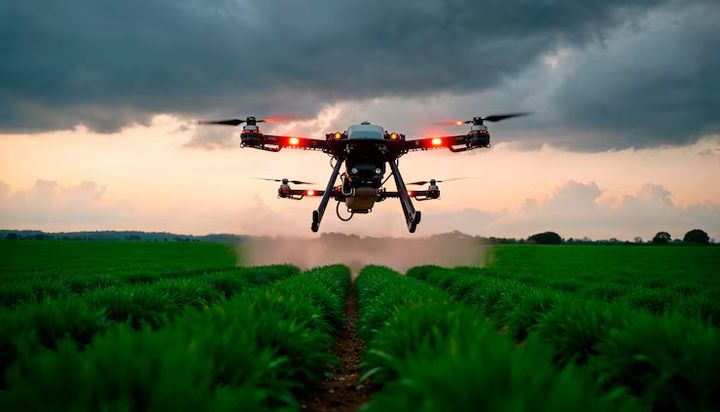
| Agriculture | Crop monitoring, spraying, soil analysis |
| Real Estate | Aerial photography, promotional videos |
| Construction | Site inspection, progress monitoring |
| E-commerce | Last-mile delivery in remote areas |
| Energy | Wind turbine and power line inspection |
| Journalism | Live reporting, aerial coverage |
| Entertainment | Drone shows, event filming, vlogs |
Frequently Asked Questions (FAQs)
What is the average cost of a drone in 2025?
Consumer drones start from approx. USD 150, while advanced commercial drones may cost over USD 5,000 depending on features like AI, camera quality, and flight range.
Do I need a license to fly a drone in India?
Yes, for drones above 250g used for commercial purposes, you need to register on the Digital Sky platform and obtain a Remote Pilot Certificate.
Can drones be used for delivery?
Yes. In many countries, pilot programs for drone delivery (e.g., medicines, groceries) are being tested and gradually deployed in rural areas.
Are there job opportunities in the drone industry?
Absolutely. Demand is growing for drone operators, data analysts, software engineers, and compliance professionals across sectors.
Can drones fly at night?
In most regions, night flying requires special permissions and anti-collision lights. Always check local aviation laws.
Final Thoughts
The evolution of drones from niche military tools to everyday business and consumer devices reflects a larger shift in how we interact with technology. As regulations adapt and technology advances, drones are likely to play an even greater role in shaping economies, cities, and industries.
For users—from travelers capturing memories to companies monitoring assets—drones offer a blend of utility, creativity, and efficiency. Staying updated with local rules, proper training, and the right tools ensures responsible and productive drone use.