Discover Soap Extrusion Lines: Detailed Explanation and Manufacturing Insights
Soap is one of the most widely used personal care products across the world. Its production has evolved from small-scale manual methods to highly automated industrial systems. One of the key technologies used in modern soap manufacturing is the soap extrusion line.
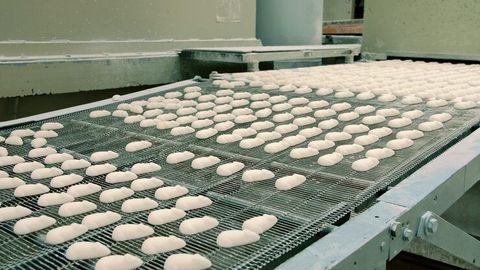
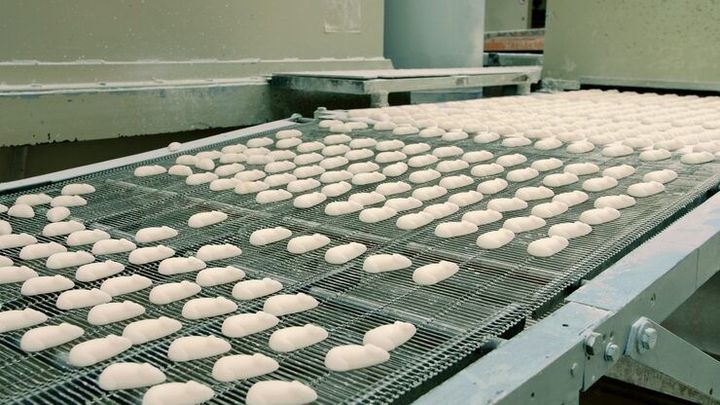
Soap extrusion lines are production systems that shape processed soap material into continuous bars, which are later cut and finished into final products. These systems are designed to ensure uniform shape, texture, and consistency in large-scale production.
Extrusion technology allows manufacturers to process soap efficiently while maintaining quality standards. It is commonly used in factories that produce bar soaps for household, industrial, and hygiene applications.
Understanding soap extrusion lines helps explain how everyday products are manufactured using structured industrial processes.
Understanding the Context of Soap Extrusion Lines
Soap production involves several stages, including mixing raw materials, refining, shaping, and finishing. Extrusion lines are primarily used during the shaping stage of production.
After soap ingredients are mixed and processed into a base material, the extrusion system forms this material into long, continuous bars.
Soap extrusion lines typically include the following components:
-
Feed system for soap material
-
Plodder or extruder unit
-
Compression chamber
-
Die plate for shaping
-
Cutting system
-
Conveyor systems
These components work together to convert soap mass into uniform shapes ready for further processing.
Extrusion is widely used because it allows continuous production, reducing interruptions and improving efficiency.
Industrial soap manufacturing relies on these systems to produce consistent and standardized products.
Why Soap Extrusion Lines Matter in Manufacturing
Soap extrusion lines play a critical role in ensuring that production processes are efficient and consistent.
They help address several manufacturing challenges:
-
Maintaining uniform shape and size of soap bars
-
Improving production speed
-
Reducing material waste
-
Supporting large-scale production
-
Ensuring consistent product quality
In large manufacturing facilities, extrusion lines enable continuous operation, which is essential for meeting high production demands.
They also allow precise control over product dimensions, which is important for packaging and distribution.
Extrusion technology supports automation, reducing manual handling and improving operational efficiency.
These factors make soap extrusion lines an important part of modern personal care manufacturing systems.
Key Components of Soap Extrusion Lines
Soap extrusion lines consist of multiple components that perform specific functions within the production process.
Feed system
Introduces processed soap material into the extrusion unit.
Plodder or extruder
Compresses and pushes the soap through the system.
Vacuum chamber
Removes air to improve product density and texture.
Die plate
Shapes the soap into a continuous bar with a specific cross-section.
Cutting unit
Cuts the extruded soap into individual pieces.
Conveyor system
Transfers soap bars to the next stage of production.
Each component contributes to the overall efficiency and quality of the extrusion process.
Overview of Soap Extrusion Line Components
| Component | Function | Role in Production |
|---|---|---|
| Feed system | Supplies soap material | Ensures continuous input |
| Plodder/extruder | Compresses and pushes material | Shapes soap mass |
| Vacuum chamber | Removes trapped air | Improves density |
| Die plate | Defines shape | Controls product dimensions |
| Cutting unit | Cuts soap bars | Prepares final size |
| Conveyor system | Moves products | Supports workflow |
These components work together to create a continuous and efficient production line.
How Soap Extrusion Lines Work
Soap extrusion lines operate through a sequence of coordinated steps.
Material preparation
Soap base is prepared through mixing and refining processes.
Feeding
Prepared material is fed into the extrusion system.
Compression and extrusion
The plodder compresses the material and pushes it through the die.
Shaping
The die plate forms the soap into a continuous bar.
Cutting
The continuous bar is cut into uniform pieces.
Transfer
Soap bars are moved to stamping or packaging stages.
Quality inspection
Products are checked for consistency and appearance.
This process is repeated continuously, enabling large-scale production.
Modern extrusion lines often include automated controls to regulate pressure, speed, and temperature.
These controls help maintain consistent product quality.
Recent Updates in Soap Manufacturing Technology in 2025
In January 2025, industry reports highlighted the adoption of energy-efficient extrusion systems in soap manufacturing plants.
In February 2025, advanced automation features were introduced to improve precision in cutting and shaping processes.
In March 2025, digital monitoring tools were integrated into production lines to track performance and detect maintenance needs.
These developments are improving efficiency and reducing operational downtime.
Automation and digitalization are becoming standard features in modern soap production systems.
Laws and Policies Affecting Soap Manufacturing
Soap manufacturing is regulated to ensure product safety, environmental compliance, and quality standards.
Key regulatory areas include:
-
Product safety standards for personal care items
-
Manufacturing hygiene requirements
-
Environmental regulations for waste and emissions
-
Labeling and packaging guidelines
-
Workplace safety standards
Manufacturers must ensure that production processes meet hygiene and safety requirements.
Environmental policies encourage responsible handling of raw materials and waste.
Compliance with these regulations helps maintain product quality and consumer safety.
These policies are important for maintaining trust in personal care products.
Tools and Resources for Soap Manufacturing
Manufacturers use various tools to manage and optimize soap production processes.
Common resources include:
-
Process control software
-
Production monitoring systems
-
Quality testing equipment
-
Maintenance management platforms
-
Formulation and mixing tools
Control software helps regulate extrusion parameters.
Monitoring systems track production efficiency and output.
Quality testing tools ensure consistency in texture and composition.
Maintenance platforms help manage equipment performance.
These resources support efficient and reliable soap manufacturing operations.
Frequently Asked Questions
What is a soap extrusion line?
It is a production system used to shape soap material into continuous bars during manufacturing.
What is the role of a plodder in soap production?
A plodder compresses and pushes soap material through the extrusion system.
Why is extrusion used in soap manufacturing?
It allows continuous production and ensures uniform product shape and quality.
What happens after extrusion?
Soap bars are cut, stamped, and prepared for packaging.
Where are soap extrusion lines used?
They are used in industrial facilities that produce bar soaps at scale.
Conclusion
Soap extrusion lines are a key part of modern soap manufacturing, enabling efficient and consistent production of bar soaps. These systems use extrusion technology to shape soap material into uniform forms, supporting large-scale industrial operations.
The process involves multiple components, including feed systems, extruders, die plates, and cutting units, all working together to ensure product quality.
Recent advancements in automation, energy efficiency, and digital monitoring are improving the performance of extrusion systems.
Understanding soap extrusion lines provides valuable insight into how everyday personal care products are manufactured using advanced industrial processes.