Discover Molding Machines: Detailed Explanation and Industrial Applications
Molding machines are essential tools used in manufacturing to shape materials into specific forms. These machines are widely used to produce parts and components for industries such as automotive, packaging, electronics, and construction.
The basic concept of molding involves placing a material—often plastic, metal, or rubber—into a mold where it is shaped under controlled conditions. Once the material cools or solidifies, it retains the shape of the mold.
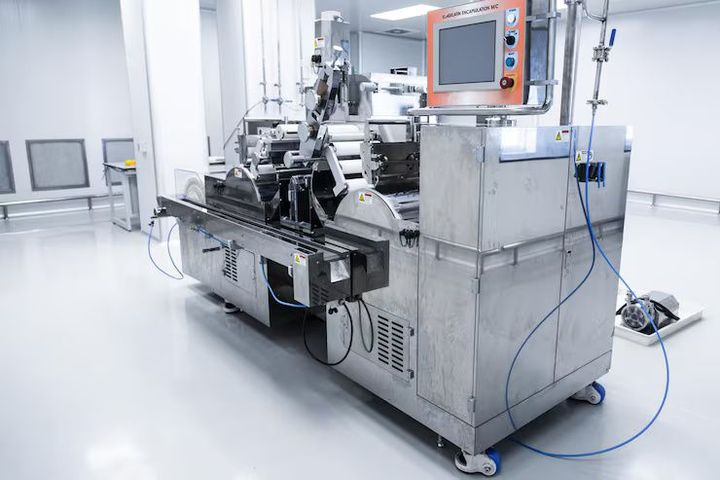
Molding machines automate this process, ensuring consistent production and accurate replication of designs. They are used to create everything from small components to large industrial parts.
Understanding molding machines helps explain how modern manufacturing systems produce high-volume, standardized products efficiently.
Understanding the Context of Molding Machines
Manufacturing requires precise and repeatable processes to produce identical parts. Molding technology was developed to meet this need by enabling mass production of components with consistent shapes and dimensions.
Molding machines operate by combining material preparation, shaping, and cooling into a single process.
Typical components of a molding system include:
-
Material feeding system
-
Heating or melting unit
-
Mold cavity
-
Injection or compression mechanism
-
Cooling system
-
Ejection system
These components work together to transform raw materials into finished products.
Molding machines are used in various industries because they can handle different materials and production requirements.
Industrial molding systems are often integrated into automated production lines, improving efficiency and reducing manual intervention.
Why Molding Machines Matter in Modern Manufacturing
Molding machines play a central role in industrial production by enabling efficient and scalable manufacturing processes.
They address several key challenges:
-
Producing large quantities of identical parts
-
Maintaining consistent product quality
-
Reducing material waste
-
Supporting complex product designs
-
Improving production speed
In industries such as automotive manufacturing, molding machines are used to create components like dashboards, panels, and connectors.
In packaging, they are used to produce containers, caps, and other items.
Molding technology also supports innovation by allowing manufacturers to design complex shapes that would be difficult to produce using traditional methods.
This makes molding machines an important part of modern manufacturing systems.
Types of Molding Machines
Different types of molding machines are used depending on the material and application.
Injection molding machines
Used to inject molten material into molds for precise shaping.
Blow molding machines
Used to create hollow objects such as bottles and containers.
Compression molding machines
Use pressure to shape materials within a mold.
Rotational molding machines
Rotate molds to create uniform hollow structures.
Transfer molding machines
Transfer material into molds using controlled pressure.
Each type of machine is designed for specific production requirements and material characteristics.
Overview of Molding Machine Types
| Machine Type | Process | Typical Application |
|---|---|---|
| Injection molding machines | Material injection into molds | Plastic components |
| Blow molding machines | Air expansion inside molds | Bottles and containers |
| Compression molding machines | Pressure-based shaping | Rubber parts |
| Rotational molding machines | Rotating molds for even coating | Large hollow items |
| Transfer molding machines | Controlled material transfer | Electronic components |
These machine types provide flexibility in manufacturing different products.
How Molding Machines Work
Molding machines follow a structured process to shape materials into finished products.
Material preparation
Raw material is prepared in pellet, powder, or liquid form.
Heating or melting
Material is heated until it reaches a workable state.
Mold filling
Material is injected or placed into the mold cavity.
Shaping and cooling
The material takes the shape of the mold and solidifies.
Ejection
The finished product is removed from the mold.
Inspection
Products are checked for quality and consistency.
This process is repeated continuously in industrial production environments.
Modern molding machines often include automated controls that monitor temperature, pressure, and timing.
These controls help maintain consistent product quality.
Recent Updates in Molding Technology in 2025
In January 2025, manufacturing industry reports highlighted increased adoption of energy-efficient molding machines.
In February 2025, advanced automation systems were introduced to improve precision and reduce production errors.
In March 2025, digital monitoring platforms were integrated into molding machines to track performance and maintenance needs.
These developments reflect ongoing improvements in manufacturing efficiency and sustainability.
Automation and data-driven systems are becoming standard in industrial molding technology.
Laws and Policies Affecting Molding Machines
Molding machines are subject to regulations related to safety, environmental impact, and industrial standards.
Key regulatory areas include:
-
Workplace safety standards
-
Machinery operation guidelines
-
Environmental regulations for emissions and waste
-
Material handling and disposal policies
-
Industrial certification requirements
Manufacturers must ensure that molding machines operate within safety and environmental guidelines.
Regular maintenance and inspections are often required to ensure compliance.
Environmental policies also encourage efficient use of materials and reduction of waste.
These regulations help maintain safe and responsible manufacturing practices.
Tools and Resources for Molding Operations
Engineers and operators use various tools to manage and optimize molding processes.
Common resources include:
-
Computer-aided design (CAD) software
-
Simulation tools for mold design
-
Process monitoring systems
-
Maintenance tracking platforms
-
Quality inspection equipment
CAD software helps design molds and components.
Simulation tools predict how materials will behave during the molding process.
Monitoring systems track machine performance in real time.
Inspection tools ensure product quality and consistency.
These resources support efficient and reliable molding operations.
Frequently Asked Questions
What is a molding machine?
A molding machine is equipment used to shape materials into specific forms using molds.
What materials are used in molding machines?
Common materials include plastics, rubber, and certain metals.
What is the most common type of molding machine?
Injection molding machines are widely used for producing plastic components.
Where are molding machines used?
They are used in industries such as automotive, packaging, electronics, and construction.
How do molding machines ensure product consistency?
They use controlled processes and automated systems to maintain uniform production.
Conclusion
Molding machines are fundamental to modern manufacturing, enabling the production of a wide range of products with precision and efficiency. These machines use structured processes to shape materials into consistent and complex forms.
Different types of molding machines, including injection, blow, and compression systems, support diverse industrial applications.
Recent advancements in automation, energy efficiency, and digital monitoring are enhancing the capabilities of molding technology.
Understanding molding machines provides valuable insight into how industrial production systems operate and how products are manufactured at scale.