Discover Eye Drop Filling Lines: Detailed Explanation and Industry Information
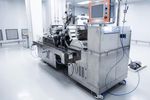
Eye drop filling lines are specialized production systems used to fill, seal, and package liquid medications or solutions into small containers such as dropper bottles. These systems are commonly found in pharmaceutical and healthcare manufacturing environments where precision and cleanliness are essential. The concept of automated filling lines emerged as industries sought to improve consistency, reduce contamination risks, and increase production efficiency.
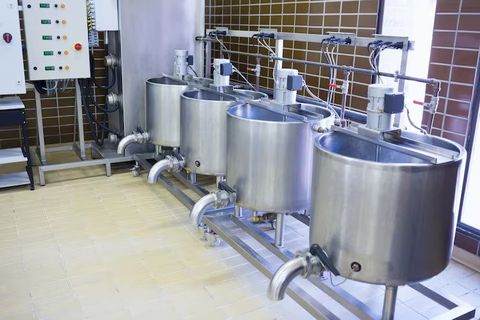
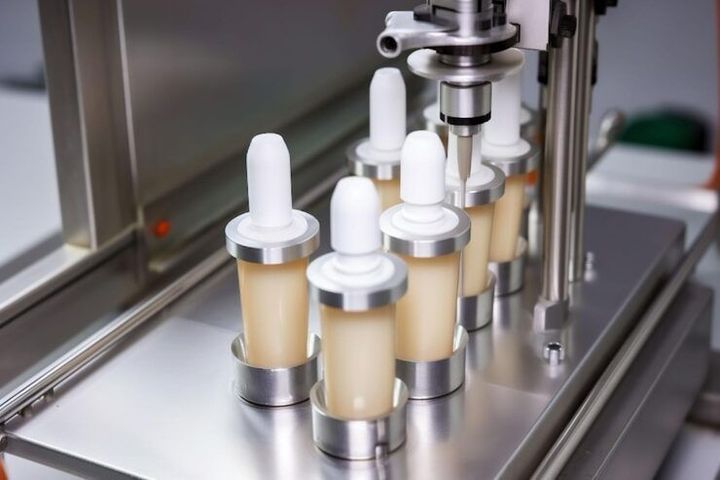
An eye drop filling line typically includes several integrated components, such as bottle feeding units, liquid filling stations, capping machines, and labeling systems. These machines work together in a controlled sequence to ensure that each container is accurately filled and securely sealed. The process is designed to handle sterile or sensitive liquids, which makes it different from general liquid filling systems.
Over time, technological improvements have shaped modern eye drop filling lines into highly controlled environments. Automation, sensor-based monitoring, and cleanroom integration have become standard features. These systems are now used not only for medical eye drops but also for related products such as contact lens solutions and certain cosmetic liquids.
Importance
Eye drop filling lines play a significant role in ensuring that liquid products used in or around the eyes are safe, consistent, and properly packaged. Because the eye is a sensitive organ, even minor contamination or incorrect dosage can lead to discomfort or complications. These production systems help address such risks by maintaining strict control over filling volumes and environmental conditions.
The importance of these systems extends to several areas:
- Public health and safety: Accurate filling and sterile packaging reduce the likelihood of contamination.
- Product consistency: Automated systems ensure uniform volume in each bottle, which supports proper usage.
- Efficiency in production: Manufacturers can produce large quantities without compromising quality.
- Regulatory compliance: Controlled processes help meet strict manufacturing standards required for healthcare products.
These factors make eye drop filling lines relevant not only for manufacturers but also for healthcare providers and consumers who rely on safe and reliable products.
Recent Updates
Recent developments in eye drop filling lines reflect broader trends in automation, digital monitoring, and sustainability. Manufacturers are increasingly adopting smart technologies that allow real-time tracking of production parameters. Sensors and software systems can monitor fill levels, detect defects, and adjust operations automatically.
Another trend is the integration of robotics. Robotic arms are now used in tasks such as bottle handling and packaging, reducing manual intervention and improving precision. This shift also supports cleaner production environments by minimizing human contact with sterile areas.
Sustainability has also become a focus. Some systems are designed to reduce material waste and energy consumption. For example, more efficient filling mechanisms can limit product loss, while improved packaging designs may use less plastic.
Data integration is another area of change. Modern eye drop filling lines often connect with centralized systems that collect and analyze production data. This allows manufacturers to identify patterns, improve processes, and maintain consistent quality across batches.
Laws or Policies
The operation of eye drop filling lines is governed by strict regulations, especially in countries with established pharmaceutical industries such as India. These rules are designed to ensure product safety, quality, and traceability.
Key regulatory frameworks include:
- Good Manufacturing Practices (GMP): These guidelines define how products should be manufactured to ensure safety and consistency. They cover aspects such as cleanliness, equipment maintenance, and staff training.
- Drug regulatory authorities: In India, the Central Drugs Standard Control Organization (CDSCO) oversees the approval and monitoring of pharmaceutical products.
- Sterility requirements: Eye-related products must often be produced in controlled environments such as cleanrooms to prevent contamination.
- Labeling and packaging rules: Regulations ensure that each product includes accurate information about usage, ingredients, and storage.
The following table summarizes some common regulatory elements and their purposes:
| Regulatory Element | Purpose | Impact on Filling Lines |
|---|---|---|
| GMP Guidelines | Ensure consistent manufacturing practices | Requires validated processes and systems |
| Cleanroom Standards | Maintain sterile environments | Influences facility design and airflow |
| Quality Control Testing | Verify product safety and accuracy | Adds inspection stages to production |
| Documentation Rules | Track production and batch details | Requires digital or manual record-keeping |
These policies help maintain a high standard of safety and reliability in products produced using eye drop filling lines.
Tools and Resources
Several tools and resources support the design, operation, and monitoring of eye drop filling lines. These tools help maintain accuracy, improve efficiency, and ensure compliance with regulations.
Monitoring and Control Systems
Modern filling lines often use digital control panels and software platforms to manage operations. These systems can track variables such as fill volume, speed, and environmental conditions. Alerts and automated adjustments help maintain consistent output.
Calibration Equipment
Accurate filling depends on precise calibration of machines. Calibration tools measure liquid volumes and ensure that each bottle receives the correct amount. Regular calibration is essential for maintaining quality standards.
Cleanroom Technology
Cleanroom systems include air filtration units, controlled airflow designs, and contamination monitoring devices. These tools create an environment suitable for handling sensitive liquids.
Documentation and Record Systems
Digital record-keeping platforms allow manufacturers to store and manage production data. These systems support traceability and make it easier to review processes during inspections.
Training Materials
Educational resources, including manuals and simulation tools, help operators understand how to use and maintain eye drop filling lines. Proper training reduces errors and supports safe operation.
FAQs
What are eye drop filling lines used for?
Eye drop filling lines are used to fill, seal, and package small bottles containing liquid products intended for eye use. They are commonly used in pharmaceutical and healthcare manufacturing.
How do eye drop filling lines ensure accuracy?
These systems use precise filling mechanisms, sensors, and calibration tools to measure and control the amount of liquid dispensed into each bottle. Automated monitoring helps maintain consistency across production batches.
Are eye drop filling lines operated in sterile environments?
Yes, most eye drop filling lines operate in controlled environments such as cleanrooms. This reduces the risk of contamination and ensures product safety.
What components are included in an eye drop filling line?
A typical system includes bottle feeders, liquid filling units, capping machines, and labeling equipment. These components work together in a continuous process.
Why are regulations important for eye drop filling lines?
Regulations ensure that products are manufactured safely and consistently. They define standards for cleanliness, accuracy, and documentation, which are essential for healthcare-related products.
Conclusion
Eye drop filling lines are essential systems in the production of sensitive liquid products used for eye care. They combine precision engineering, automation, and strict environmental controls to ensure safe and consistent output. Ongoing developments in technology continue to improve their efficiency and reliability. Regulatory frameworks further support their role by setting clear standards for quality and safety. Together, these factors make eye drop filling lines an important part of modern healthcare manufacturing.