Discover Energy Management Systems for Smarter Energy Use and Operational Control
Energy Management Systems have become an important part of modern energy planning because organizations, buildings, and industrial facilities need better ways to understand how electricity and other forms of energy are used. An Energy Management System, often called an EMS, combines measurement, monitoring, analysis, controls, and reporting to help users manage energy consumption more systematically
Instead of relying only on monthly utility statements or manual meter readings, an EMS can provide more detailed information about when, where, and how energy is being consumed. Energy management systems can therefore support smarter energy use, operational control, equipment monitoring, and energy efficiency planning.
Context
What Is an Energy Management System
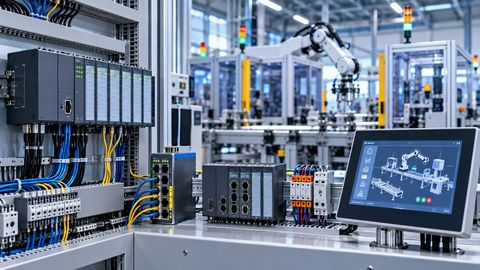
An Energy Management System is a combination of hardware, software, data, and operating procedures used to monitor and manage energy consumption. The system may collect information from electricity meters, sensors, building controls, industrial equipment, heating and cooling systems, lighting systems, and other connected devices.
The information is then organized into dashboards, reports, alerts, or analytical tools. Users can examine consumption patterns and identify areas where energy use changes significantly during different operating periods.
An EMS can be used in commercial buildings, manufacturing facilities, warehouses, educational institutions, healthcare facilities, data centers, and other energy-intensive environments. Smaller buildings may use relatively simple monitoring systems, while larger facilities can integrate energy management with building automation and industrial control systems.
How Energy Management Systems Developed
Traditional energy management often depended on manual meter readings, utility statements, equipment inspections, and basic operating schedules. As digital meters and connected sensors became more widely available, organizations gained access to more detailed energy information.
Modern energy management systems can combine information from multiple sources. This allows energy managers and facility teams to compare consumption across equipment, departments, buildings, production periods, or operating schedules.
An EMS generally includes several components:
- Energy meters for measuring electricity or other energy flows
- Sensors for collecting operating information
- Communication networks for transferring data
- Monitoring software for organizing information
- Dashboards for displaying consumption patterns
- Alerts for unusual energy behavior
- Analytical tools for comparing performance
- Control functions for selected connected equipment
The purpose is not simply to collect data. The larger objective is to turn energy information into useful operational knowledge.
Importance
Why Energy Monitoring Matters
Energy consumption can change considerably depending on occupancy, production activity, weather, equipment condition, operating schedules, and other factors. Without detailed monitoring, unusual consumption can remain unnoticed for long periods.
An Energy Management System provides a more structured way to identify these patterns. For example, a facility may discover that certain equipment continues operating during periods when production activity is low. Another building may identify unusually high heating, ventilation, or cooling demand during particular operating periods.
Energy monitoring can also help establish a baseline. A baseline represents normal or expected energy use under defined conditions. Later measurements can then be compared with that baseline to identify changes.
Who Uses Energy Management Systems
Energy management systems are relevant to a wide range of users.
Industrial facilities may use them to monitor production equipment, motors, compressors, pumps, boilers, furnaces, and other systems. Commercial buildings can monitor lighting, HVAC equipment, elevators, ventilation, and common-area consumption.
Residential and smaller commercial applications may use simpler energy monitoring technologies. These systems can provide information about electricity consumption at the appliance, circuit, or building level.
Facility managers, engineers, maintenance teams, sustainability professionals, building operators, and energy managers can all use EMS information when reviewing operational performance.
Energy Management and Operational Control
Energy management is closely connected with operational control. When equipment data is available in near real time, operating teams can understand whether systems are running according to planned schedules.
Some systems can also communicate with building automation or industrial control platforms. Depending on system design, this may allow selected equipment settings to be adjusted according to occupancy, production requirements, environmental conditions, or predefined operating rules.
The following table illustrates common EMS functions.
| EMS Function | Typical Purpose | Example Application |
|---|---|---|
| Metering | Measure energy consumption | Electricity monitoring |
| Data collection | Gather information from devices | Connected sensors |
| Monitoring | Observe energy patterns | Building dashboard |
| Analysis | Identify unusual trends | Equipment comparison |
| Alerts | Highlight abnormal conditions | Unexpected overnight use |
| Reporting | Document energy performance | Monthly energy report |
| Control | Adjust connected systems | HVAC scheduling |
| Benchmarking | Compare performance | Building-to-building analysis |
Benefits Beyond Energy Consumption
An EMS can provide information that supports several operational activities. Energy data can reveal changes in equipment behavior, operating schedules, and system demand.
For example, a motor that consumes more electricity than its normal operating pattern may warrant further inspection. Energy data does not automatically prove that equipment has failed, but it can provide a useful signal for investigation.
Energy monitoring can also support planning for renewable energy, battery storage, electric vehicles, and other electrical technologies. Understanding existing consumption patterns helps organizations assess how new technologies may interact with their current energy profile.
Recent Updates
Greater Use of Digital Energy Monitoring
From 2024 through 2026, energy management has increasingly moved toward connected monitoring, automated data collection, and integrated control. Digital meters, Internet of Things devices, cloud-based dashboards, and building automation technologies are making energy information available at shorter intervals.
The trend is also moving from isolated energy meters toward integrated platforms. Instead of viewing electricity consumption separately from HVAC, lighting, production, or occupancy information, modern systems can bring multiple data streams together.
Artificial Intelligence and Analytics
Advanced analytics and artificial intelligence are becoming more visible in energy management applications. These technologies can examine large amounts of historical and real-time information to identify patterns and unusual behavior.
Potential applications include demand forecasting, anomaly detection, equipment performance analysis, load prediction, and automated reporting. However, analytical results depend on data quality, sensor accuracy, system configuration, and appropriate interpretation.
Building Controls and Connected Systems
Building energy management is also becoming more closely connected with automation. Modern building platforms can integrate lighting controls, HVAC equipment, occupancy information, indoor environmental sensors, and energy meters.
The Energy Conservation and Sustainable Building Code 2024 includes areas covering comfort systems and controls, lighting and controls, electrical and renewable energy systems, Internet of Things technologies, commissioning, and whole-building performance. This reflects a broader movement toward coordinated building energy management.
Renewable Energy Integration
Energy management systems are increasingly relevant where renewable generation and energy storage are present. Solar generation, batteries, electric vehicles, and conventional grid electricity can create more complicated energy flows.
An EMS can help visualize these flows and provide information about generation, consumption, charging, discharging, and demand patterns. The exact capabilities depend on the equipment and software architecture.
Laws or Policies
Energy Conservation Framework
In India, energy efficiency policy operates primarily within the framework of the Energy Conservation Act, 2001 and subsequent amendments. The Bureau of Energy Efficiency was established under this framework and works on policies, programs, standards, and information related to efficient energy use.
The Energy Conservation Amendment Act, 2022 expanded the policy framework in areas including carbon markets and energy transition. These developments have increased the importance of measuring and managing energy-related performance.
Building Energy Requirements
Building energy efficiency is also addressed through national building codes and related programs. The Energy Conservation and Sustainable Building Code 2024 covers areas such as building envelopes, comfort systems, lighting, electrical systems, renewable energy, controls, and whole-building performance.
For residential buildings, Eco-Niwas Samhita 2024 addresses energy conservation and sustainable building considerations. Implementation requirements can depend on the applicable building category and the rules adopted by the relevant authorities.
Carbon Market Development
India has also established a Carbon Credit Trading Scheme framework. Energy efficiency and emissions measurement can become increasingly relevant for organizations operating within applicable carbon-market mechanisms.
Not every organization is subject to the same requirements. Applicability depends on the relevant legislation, sector, thresholds, building classification, and implementing rules. Organizations should therefore examine the current requirements that apply to their specific activities rather than assuming that every EMS function is legally mandatory.
Tools and Resources
Energy Monitoring Platforms
Energy dashboards can display electricity consumption, demand patterns, equipment readings, and historical comparisons. These platforms may operate locally or through cloud-based interfaces.
Energy Calculators
Energy calculators can help estimate electricity consumption from equipment ratings, operating hours, and usage patterns. They are useful for basic analysis, although actual consumption may differ because of operating conditions and equipment efficiency.
Metering and Sensors
Smart meters, sub-meters, current sensors, temperature sensors, occupancy sensors, and power-quality instruments can provide information for an EMS. Selecting appropriate measurement equipment is important because incomplete or inaccurate data can reduce the usefulness of analysis.
Templates and Reporting Tools
Energy audit templates, consumption spreadsheets, benchmarking tables, equipment inventories, and monitoring schedules can help organize information. A simple record of equipment, operating hours, measured consumption, and unusual events can provide a useful starting point for energy analysis.
Building and Energy Management Platforms
More advanced platforms can connect meters, sensors, HVAC controls, lighting systems, renewable energy equipment, and storage systems. The appropriate architecture depends on building size, operational requirements, existing infrastructure, data needs, and cybersecurity considerations.
FAQs
What is an Energy Management System?
An Energy Management System is a combination of technologies and processes used to measure, monitor, analyze, and manage energy consumption. It can range from a simple monitoring setup to an integrated platform connected with building or industrial controls.
How do Energy Management Systems improve energy monitoring?
Energy Management Systems organize consumption information from meters and sensors, allowing users to identify patterns, compare periods, monitor demand, and investigate unusual changes in energy use.
What is the difference between energy management and building management?
Energy management focuses specifically on energy consumption, efficiency, demand, and related performance. Building management covers a wider range of functions, such as HVAC, lighting, access, safety systems, and environmental controls. The two can be integrated.
Can an Energy Management System work with renewable energy?
Yes. Depending on its design, an EMS can monitor renewable generation, electricity consumption, battery storage, and other electrical systems. Integration capabilities vary between platforms and equipment.
Are Energy Management Systems required by law?
Requirements vary according to building type, industry, energy consumption, applicable standards, and local implementation rules. An EMS may be useful for compliance-related monitoring, but the legal requirement for a particular system depends on the applicable framework.
Conclusion
Energy Management Systems provide a structured approach to understanding energy consumption and operational behavior. They combine measurement, monitoring, analysis, reporting, and, in some cases, automated controls to provide clearer information about energy use. Recent developments in connected sensors, analytics, building controls, and renewable energy integration are expanding their role across buildings and industrial environments. Regulatory developments and energy-efficiency programs are also increasing the importance of accurate energy information and systematic management.