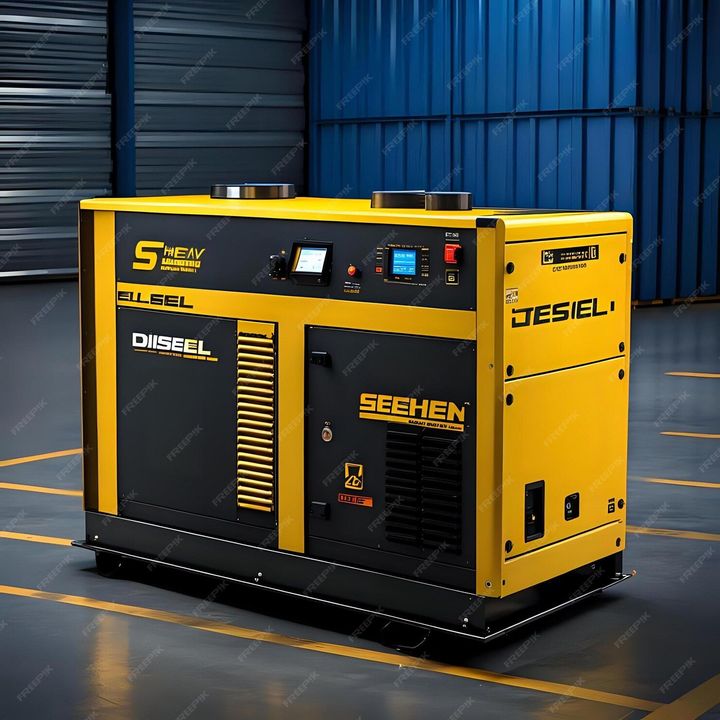
The development of diesel generators emerged from the need for reliable power during outages, industrial operations, and remote infrastructure projects. Since electricity is essential for hospitals, data centers, manufacturing plants, and telecommunications systems, backup energy systems became a critical part of modern infrastructure.
A diesel generator works by converting chemical energy stored in diesel fuel into mechanical energy through combustion inside the engine. This mechanical energy rotates the generator’s rotor, which then produces electrical energy through electromagnetic induction.
Modern diesel power generators are engineered with advanced control systems, monitoring tools, and fuel efficiency improvements. These technologies allow operators to maintain reliable power supply during emergencies or high-demand situations.
The table below highlights the core components of a typical diesel generator system.
| Component | Function |
|---|
| Diesel Engine | Converts fuel energy into mechanical motion |
| Alternator | Converts mechanical motion into electrical energy |
| Fuel System | Stores and supplies diesel fuel |
| Control Panel | Monitors voltage, frequency, and system status |
| Cooling System | Prevents overheating during operation |
| Exhaust System | Releases combustion gases safely |
These integrated components allow diesel generators to deliver consistent electrical output across a wide range of applications.
Why Diesel Power Generators Matter in Modern Infrastructure
Reliable electricity is essential for daily operations in both public and private sectors. Power interruptions can disrupt critical systems, damage equipment, and affect productivity. Diesel generators help mitigate these risks by providing dependable backup power.
Several industries depend heavily on diesel power generation.
• Healthcare facilities rely on backup generators to keep life-support equipment and emergency lighting operational.
• Data centers use generator systems to prevent data loss during power failures.
• Manufacturing plants maintain production continuity with standby generators.
• Telecommunication networks rely on generators to keep communication infrastructure operational.
Another reason diesel generators remain important is their ability to provide immediate power during emergencies. Unlike some energy systems that require ramp-up time, diesel generators can start within seconds and restore electricity quickly.
The following table compares diesel generators with other backup energy options commonly used in infrastructure environments.
| Power System | Startup Time | Reliability | Typical Usage |
|---|
| Diesel Generator | Seconds | High | Hospitals, industry |
| Natural Gas Generator | Moderate | High | Commercial facilities |
| Battery Storage | Instant | Moderate | Short-term backup |
| Solar Power | Variable | Weather dependent | Renewable energy systems |
Diesel generators remain widely used because of their durability, fuel efficiency, and ability to operate under demanding conditions.
Recent Developments and Industry Trends
In the past year, several trends have influenced diesel power generator technology and deployment.
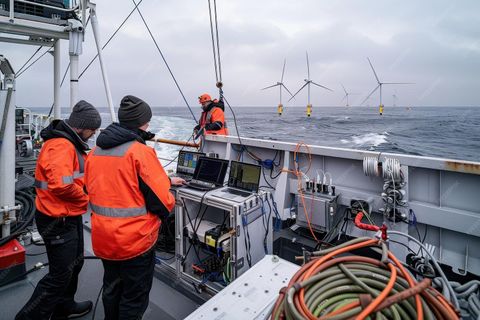
One major development has been the integration of hybrid energy systems, where diesel generators work alongside renewable energy sources such as solar or wind. These hybrid systems reduce fuel consumption while maintaining stable power supply.
Another trend is the growing adoption of digital monitoring and remote management platforms. These systems allow operators to monitor generator performance, fuel levels, and maintenance schedules in real time.
In 2024 and early 2025, global energy infrastructure discussions emphasized resilience and backup power reliability. Natural disasters and extreme weather events highlighted the need for dependable emergency electricity systems.
Several manufacturers also introduced low-emission diesel engines that comply with stricter environmental standards. These engines incorporate improved combustion technology and exhaust treatment systems to reduce pollutants.
Industry analysts also observed an increase in demand for generators used in data centers and cloud computing facilities. As digital infrastructure expands worldwide, reliable backup power systems have become more important than ever.
The chart below illustrates the growing demand sectors for generator installations.
| Sector | Demand Trend (2024–2025) |
|---|
| Data Centers | Strong growth |
| Healthcare Infrastructure | Stable demand |
| Construction Projects | Moderate growth |
| Telecommunications | Increasing deployment |
| Emergency Response Systems | Growing importance |
These trends show how diesel power generators continue to evolve alongside technological and infrastructure changes.
Regulations, Standards, and Government Policies
Diesel generator systems operate within regulatory frameworks designed to ensure safety, environmental protection, and operational reliability.
Many countries enforce emission standards that regulate the amount of pollutants released from diesel engines. These standards encourage manufacturers to develop cleaner and more efficient engine technologies.
For example, environmental regulations often require generators to comply with emission guidelines related to nitrogen oxides (NOx), particulate matter (PM), and other exhaust components. These rules aim to reduce air pollution while maintaining energy reliability.
Governments also establish guidelines for installation and operation of backup power systems in critical facilities. Hospitals, airports, and emergency services typically must maintain backup electricity systems that meet safety codes and reliability requirements.
Another important regulatory area involves noise control and environmental impact assessments. Large generator installations must follow guidelines regarding sound levels and environmental monitoring.
In many regions, infrastructure planning programs include backup power requirements for disaster preparedness and emergency response systems.
These regulatory frameworks encourage responsible generator operation while supporting energy security.
Useful Tools and Resources for Understanding Generator Systems
Professionals, engineers, and infrastructure planners often rely on specialized tools and digital platforms to analyze generator systems. These tools help estimate electrical load requirements, system efficiency, and operational performance.
Commonly used tools include:
• Electrical Load Calculators – Estimate the amount of power required for buildings or facilities.
• Generator Sizing Software – Helps determine the appropriate generator capacity for specific applications.
• Energy Monitoring Platforms – Track electricity usage and generator performance.
• Maintenance Scheduling Tools – Plan inspections and operational checks for generator systems.
• Power Reliability Simulation Tools – Analyze backup power scenarios and outage preparedness.
Many educational institutions and engineering organizations also provide technical documents and training resources related to power generation systems.
The following table shows examples of commonly used categories of resources.
| Resource Type | Purpose |
|---|
| Generator Sizing Calculator | Estimate generator capacity |
| Electrical Load Analyzer | Analyze building power needs |
| Energy Monitoring Software | Track power usage and generator output |
| Engineering Standards Documentation | Provide technical guidelines |
| Maintenance Planning Tools | Schedule inspections and reliability checks |
These resources support better planning, design, and understanding of generator-based energy systems.
Frequently Asked Questions
What is a diesel power generator used for?
A diesel power generator produces electricity using a diesel engine and an alternator. It is commonly used as backup power during outages or as a primary electricity source in remote areas.
How does a diesel generator produce electricity?
The diesel engine burns fuel to create mechanical motion. This motion rotates the alternator, which generates electrical energy through electromagnetic induction.
Why are diesel generators widely used in critical facilities?
They are known for reliability, fast startup time, and the ability to operate continuously during emergencies, making them suitable for hospitals, data centers, and industrial facilities.
Are diesel generators used together with renewable energy systems?
Yes. Many modern installations combine diesel generators with renewable sources like solar or wind to create hybrid power systems that improve efficiency and energy stability.
What maintenance does a diesel generator require?
Routine maintenance typically includes fuel system checks, oil changes, cooling system inspections, and performance monitoring to ensure reliable operation.
Conclusion
Diesel power generators remain an essential component of modern energy infrastructure. Their ability to deliver reliable electricity during outages or in remote environments makes them valuable across industries such as healthcare, manufacturing, telecommunications, and data services.
While new energy technologies continue to develop, diesel generators have evolved alongside them. Innovations in digital monitoring, hybrid energy systems, and emission reduction technologies are helping improve efficiency and environmental performance.
Regulations and industry standards also play an important role in guiding responsible generator deployment and operation. These frameworks ensure that backup power systems maintain safety, reliability, and environmental awareness.
Understanding how diesel generators work, why they are important, and how they fit into modern energy systems helps individuals and organizations make informed decisions about power infrastructure. As global electricity demand continues to grow, reliable backup power solutions will remain a critical part of resilient energy systems.