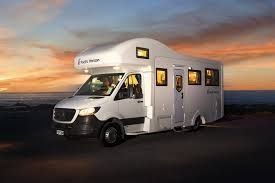
Complete Guide to Campervans – Travel, Lifestyle, and Sustainable Exploration
Campervans have transformed the way people travel and live. These versatile vehicles combine mobility and comfort, offering a flexible way to explore new destinations while staying close to nature. Whether used for weekend adventures or extended journeys, campervans make it possible to experience the world on your own schedule — with all the essentials of daily living within reach.
Beyond convenience, campervans represent a growing shift toward minimalism and sustainable travel. More people today are seeking balance between exploration, work, and comfort, making campervans an appealing choice for travelers and outdoor enthusiasts alike.
Understanding Campervans
A campervan is a compact vehicle equipped with essential living facilities such as sleeping space, small kitchen units, and storage compartments. Unlike large recreational vehicles (RVs), campervans are smaller and easier to maneuver, making them suitable for both city drives and remote adventures.
They typically include:
-
Sleeping and rest areas
-
Small kitchen or kitchenette setups
-
Basic electrical and water systems
-
Ventilation and insulation
-
Optional solar or off-grid power sources
These features allow travelers to maintain comfort and independence wherever they go.
Key Benefits of Using a Campervan
-
Freedom of Travel: Move at your own pace without relying on fixed itineraries.
-
Sustainability: Many modern campervans support renewable energy setups like solar panels and efficient energy storage systems.
-
Comfort and Convenience: All basic needs — rest, food, and relaxation — in one mobile space.
-
Connection with Nature: Stay in scenic landscapes while reducing dependence on urban infrastructure.
-
Adaptable Living: Ideal for both short trips and extended travel experiences.
Types of Campervans
| Type | Key Features | Best For |
|---|---|---|
| Standard Campervan | Compact, equipped with sleeping and kitchen facilities | Everyday travelers |
| Class B Motorhome | Enhanced amenities, including bathroom and kitchenette | Extended journeys |
| Pop-Top Van | Roof extension for added sleeping or storage space | Urban or weekend trips |
| Modular Van | Flexible layout for customization | Travel with gear or equipment |
Each model offers a unique combination of mobility and comfort, catering to different travel preferences.
Design and Functional Features
Modern campervans are designed to balance efficiency, comfort, and safety. Some notable features include:
-
Energy Systems: Solar panels, inverters, and battery storage.
-
Compact Furniture: Foldable beds, convertible tables, and modular cabinets.
-
Water Management: Small sinks, storage tanks, and portable showers.
-
Climate Control: Ventilation fans, insulation, and temperature regulation materials.
-
Safety Systems: Fire extinguishers, smoke detectors, and secure locks.
Attention to detail in interior design ensures maximum use of space without compromising comfort.
Off-Grid Campervan Setup
An off-grid system allows travelers to stay self-sufficient while minimizing environmental impact. Typical off-grid campervans include:
-
Solar Power Units for renewable electricity
-
Battery Systems for storage and night usage
-
Water Filtration Units for reusability and sustainability
-
Portable Toilets or Composting Systems
-
Wi-Fi or Communication Boosters for remote work
These systems promote independence and support eco-conscious travel habits.
Maintenance and Upkeep
Regular maintenance keeps a campervan reliable and safe for travel. Important checks include:
-
Inspecting engine performance and fluids
-
Cleaning ventilation and water systems
-
Servicing tires, brakes, and lighting
-
Checking electrical and solar connections
-
Keeping interiors dry and mold-free
Preventive maintenance enhances performance, safety, and comfort during long journeys.
Safety and Travel Considerations
Safety is essential when operating or living in a campervan. Recommended practices include:
-
Planning travel routes with safe parking zones
-
Keeping emergency kits and tools on board
-
Using seatbelts and proper load distribution
-
Monitoring weather conditions before driving
-
Ensuring proper ventilation during rest stops
Following these precautions ensures smooth, secure, and enjoyable travel experiences.
Environmental Impact and Sustainability
Campervans play a key role in sustainable travel trends. By incorporating solar panels, fuel-efficient engines, and composting systems, they reduce dependency on fossil fuels and minimize waste.
Many eco-conscious travelers are adopting zero-waste camping practices and using biodegradable products to lower their footprint. With thoughtful design and responsible usage, campervans can align with modern sustainability goals.
Frequently Asked Questions
Q1. What makes a campervan different from an RV?
Campervans are smaller, easier to drive, and more energy-efficient than full-sized RVs.
Q2. Can a campervan run completely off-grid?
Yes, with solar panels, water recycling, and efficient energy systems, off-grid travel is possible.
Q3. Are campervans suitable for all seasons?
Proper insulation and heating make them usable year-round, even in colder climates.
Q4. What should I check before a long trip?
Inspect tires, brakes, fluids, and energy systems, and ensure all safety equipment is working.
Q5. How can campervans contribute to sustainability?
By integrating renewable energy, reducing waste, and supporting low-impact travel.
Conclusion
Campervans symbolize freedom, adaptability, and sustainability in modern travel. They encourage a slower, more intentional way of exploring the world — where the journey becomes as meaningful as the destination. Whether used for recreation, work, or personal exploration, campervans represent the future of mobile living and sustainable adventure.