How to Conduct Commercial Roof Inspections: Complete Guide
Learn the essential steps, inspection methods, and key metrics for conducting thorough commercial roof inspections to identify damage, extend roof lifespan, and prevent costly repairs.
Commercial roof inspections are systematic evaluations of roofing systems that identify structural damage, material degradation, safety hazards, and maintenance needs. For facility managers and property owners, regular inspections are essential for protecting building assets, maintaining warranty coverage, and preventing catastrophic failures that can disrupt operations and create liability exposure. This guide provides detailed protocols for conducting thorough inspections, interpreting findings, and implementing evidence-based maintenance strategies.
Why Commercial Roof Inspections Prevent Costly Damage and Extend Asset Life
Commercial roofs protect significant capital investments and operational continuity. Regular inspections deliver measurable benefits: early detection of membrane damage prevents water infiltration that can compromise structural integrity, damage HVAC systems, and create mold conditions. Inspections identify flashing failures at penetrations, valleys, and edges—common failure points where water breaches occur. Documentation of inspection findings supports warranty claims, demonstrates due diligence for insurance purposes, and provides evidence of proper maintenance for compliance audits. Property managers who conduct inspections every 6-12 months typically extend roof lifespan by 5-10 years compared to reactive maintenance approaches. Inspections also identify safety hazards including loose fasteners, deteriorated edge protection, and structural weaknesses that could endanger workers or occupants.
The practical limitations of inspections include weather dependencies—heavy rain or snow prevents safe access to roof surfaces, and extreme temperatures can affect material visibility. Inspections require specialized equipment including safety harnesses, fall protection systems, and sometimes aerial lifts for large or complex roof geometries. Untrained inspectors may miss subtle defects or misidentify minor issues as critical problems, leading to unnecessary repairs. Comprehensive inspections on large commercial properties can require 4-8 hours or more, necessitating coordination with building operations and potential service disruptions.
Types of Commercial Roof Inspections and Inspection Methodologies
Visual Inspections are the most common approach, involving systematic observation of roof surfaces, penetrations, and drainage systems from ground level and rooftop access. Inspectors examine membrane condition, identify visible damage, assess fastener integrity, and document findings with photographs and detailed notes. Visual inspections are cost-effective and can be completed relatively quickly, but they may miss subsurface damage or early-stage deterioration not visible to the naked eye.
Thermal Imaging Inspections use infrared cameras to detect moisture intrusion and thermal anomalies within roofing assemblies. Wet insulation retains moisture and exhibits different thermal signatures than dry materials, allowing inspectors to identify problem areas without invasive testing. Thermal imaging is particularly valuable for flat roofs with built-up or membrane systems where moisture can accumulate beneath the surface. This method requires specialized equipment and trained operators, increasing inspection costs by 30-50% compared to visual inspections alone.
Moisture Mapping employs advanced detection technologies including nuclear magnetic resonance (NMR) and electrical impedance scanning to quantify moisture content within roofing assemblies. These methods provide precise data on moisture distribution and severity, enabling targeted remediation rather than wholesale roof replacement. Moisture mapping is most cost-effective for large commercial properties where the data informs strategic repair decisions.
Core Sampling and Material Analysis involves removing small sections of roofing material to assess composition, degradation, and structural integrity. Laboratory analysis determines membrane thickness, insulation R-value, adhesive condition, and presence of hazardous materials. Core sampling provides definitive data but causes localized damage requiring repair, and is typically reserved for properties where significant remediation decisions hinge on material specifications.
Drone-Based Inspections use unmanned aerial vehicles equipped with high-resolution cameras to capture detailed imagery of roof surfaces, eliminating fall risks and enabling inspection of complex geometries. Drones can access areas difficult or dangerous for personnel to reach, and provide comprehensive visual documentation. Limitations include weather sensitivity, regulatory compliance requirements, and the need for skilled operators.
Current Trends in Commercial Roofing Inspection Technology and Practices
The commercial roofing industry is adopting digital documentation platforms that integrate inspection data with building management systems. Cloud-based platforms enable real-time data capture, automated report generation, and trend analysis across multiple properties. Facility managers can track inspection history, compare conditions over time, and identify patterns indicating systemic issues. Artificial intelligence is emerging in image analysis, where algorithms trained on thousands of roof photographs can identify defects automatically, reducing inspector subjectivity and improving consistency.
Predictive maintenance approaches use inspection data combined with weather patterns, building age, and material type to forecast remaining roof lifespan and optimal replacement timing. This data-driven approach reduces emergency repairs and enables strategic capital planning. Many organizations are implementing condition-based maintenance protocols where inspection findings determine maintenance frequency—roofs in excellent condition may require annual inspections, while roofs showing signs of aging receive semi-annual assessments.
Sustainability considerations are influencing inspection priorities. Inspectors now assess roofing systems for cool roof properties, reflectivity degradation, and compatibility with solar panel installations. Green roofing systems and vegetated surfaces require specialized inspection protocols focused on drainage, plant health, and structural load distribution.
Key Features and Specifications to Evaluate During Inspections
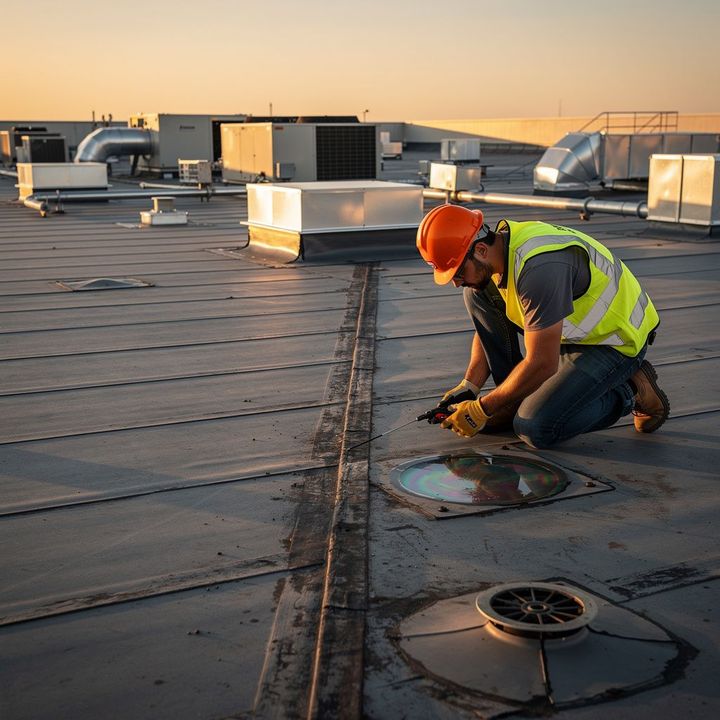
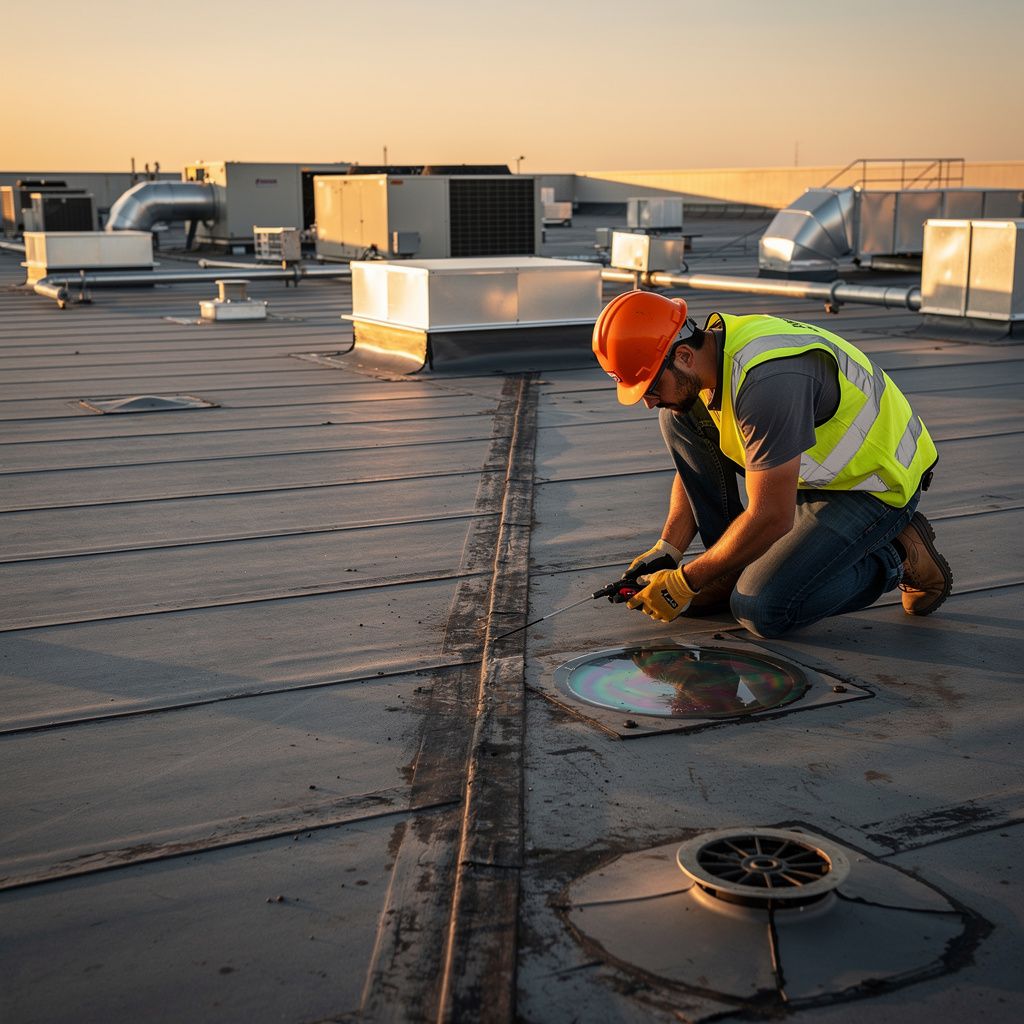
Membrane Condition Assessment evaluates the primary weather-resistant layer. Inspectors look for blistering (bubbles in the membrane surface indicating moisture or thermal stress), cracking, alligatoring (pattern of interconnected cracks), and punctures. Membrane thickness is assessed visually and through core samples. Seams between membrane sheets are examined for separation, lifting, or deterioration of sealant materials. Membrane flexibility is tested by gently probing with a tool—brittle, inflexible membrane indicates age-related degradation and increased failure risk.
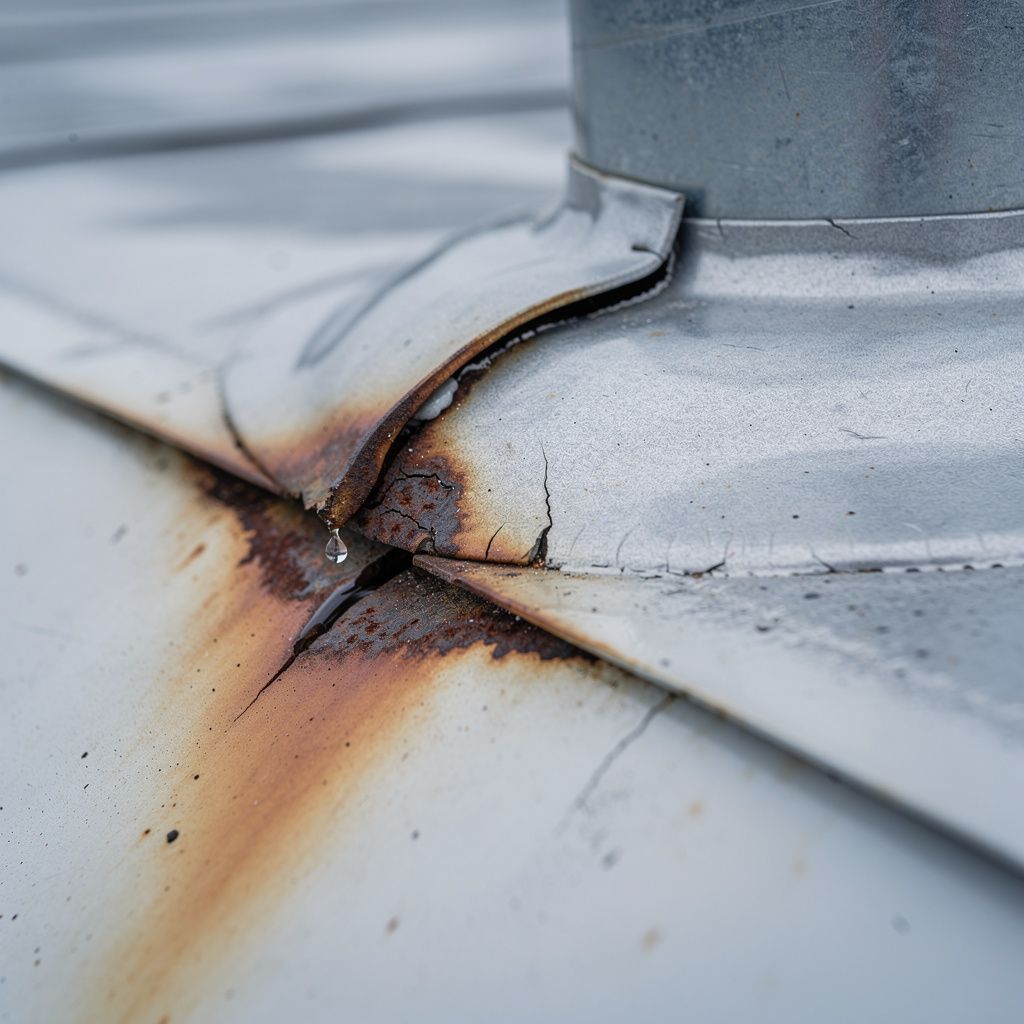
Flashing and Penetration Integrity focuses on areas where the roof membrane transitions around obstacles. Roof penetrations including HVAC units, exhaust pipes, skylights, and antennas are common failure points. Inspectors verify that flashing is properly sealed, fastened, and not corroded. Counter-flashing (the upper portion that overlaps the roof membrane) must be intact and properly secured. Sealant around penetrations is examined for cracks, gaps, or separation.
Drainage System Functionality ensures water can exit the roof efficiently. Inspectors verify that gutters, downspouts, and internal drains are clear of debris, properly sloped, and securely fastened. Standing water on flat roofs indicates drainage failure and creates conditions for accelerated deterioration. Drain screens and strainers are checked for blockages. Inspectors trace drainage paths to ensure water flows away from building foundations and mechanical systems.
Fastener and Attachment Security is critical for wind resistance and structural integrity. Inspectors examine fasteners holding membrane sheets, insulation boards, and edge protection systems. Missing or corroded fasteners are documented and flagged for replacement. Fastener pull-through (where fasteners tear through materials under tension) indicates inadequate fastening or material degradation. Inspectors verify that fasteners are spaced according to manufacturer specifications and building codes.
Edge Protection and Parapet Condition protects roof perimeters and prevents water infiltration at building edges. Inspectors examine edge metal, coping systems, and parapet flashing for corrosion, separation, or damage. Sealant at parapet transitions is checked for integrity. Loose edge protection or missing fasteners create wind uplift risks and water intrusion pathways.
How Inspection Findings Inform Maintenance Priorities and Capital Planning
Inspection reports categorize findings into severity levels that determine remediation urgency. Critical findings requiring immediate attention include active leaks, structural damage, safety hazards, and conditions threatening warranty coverage. Major findings indicate significant deterioration or functional deficiencies requiring repair within 6-12 months. Minor findings document wear and degradation that should be monitored and addressed during routine maintenance cycles.
Facility managers use inspection data to develop multi-year capital plans. Roofs in good condition with minor findings may warrant continued service life with targeted repairs. Roofs showing widespread deterioration may be candidates for full replacement within 3-5 years. Roofs with localized damage may benefit from partial replacement or targeted remediation. Cost-benefit analysis compares repair expenses against remaining useful life—if repairs exceed 50% of replacement costs and the roof is nearing end-of-life, replacement becomes more economical than continued repairs.
Documentation of inspections and repairs is essential for maintaining manufacturer warranties. Most commercial roof warranties require documented professional inspections and timely remediation of identified issues. Failure to document maintenance can void warranty coverage, shifting liability for future failures to the property owner.
Industry Standards and Notable Inspection Protocols
The National Roofing Contractors Association (NRCA) establishes industry standards for roof inspections and maintenance. NRCA guidelines recommend inspections twice annually—in spring after winter weather exposure and in fall before winter conditions. The American Society for Testing and Materials (ASTM) provides standardized test methods for roofing materials and inspection procedures. ASTM D6775 specifies procedures for visual and thermal inspections of low-slope roofs.
Building codes and insurance requirements may mandate inspections at specific intervals. Some jurisdictions require inspections every 3-5 years for commercial properties. Insurance carriers often condition coverage on documented inspections and timely repairs. Lenders may require inspections before financing commercial property transactions.
Certified Roof Inspector (CRI) credentials, offered through organizations like the International Association of Certified Home Inspectors, demonstrate professional competency. Inspectors with CRI credentials have completed training in inspection methodologies, safety protocols, and documentation standards. Many property owners prefer hiring credentialed inspectors to ensure thorough, professional assessments.
Step-by-Step Framework for Planning and Executing Commercial Roof Inspections
Step 1: Schedule Inspections Strategically by planning inspections during favorable weather conditions and coordinating with building operations to minimize disruption. Spring and fall inspections capture seasonal damage and allow time for repairs before extreme weather. Document inspection dates in building maintenance records.
Step 2: Assemble Inspection Team and Equipment including qualified inspectors, safety equipment (harnesses, fall protection, hard hats), inspection tools (moisture meters, thermal cameras, measuring devices), and documentation systems (cameras, clipboards, forms). Ensure all personnel have current safety training and fall protection certifications.
Step 3: Conduct Systematic Visual Assessment by dividing the roof into zones and examining each area methodically. Document membrane condition, flashing integrity, drainage functionality, and fastener security. Photograph defects and problem areas with clear reference markers. Record measurements of damaged areas and note locations using building coordinates or roof zone designations.
Step 4: Perform Specialized Testing such as thermal imaging or moisture mapping if indicated by visual findings or property history. Coordinate testing with qualified technicians and ensure data is properly documented and analyzed.
Step 5: Generate Comprehensive Inspection Report including executive summary, detailed findings organized by roof zone, severity classifications, photographic documentation, and recommendations for remediation. Reports should be clear enough for non-technical stakeholders to understand findings while providing sufficient detail for contractors to plan repairs.
Step 6: Develop Remediation Plan prioritizing repairs by severity and cost-effectiveness. Obtain contractor estimates for recommended work and compare against capital budget allocations. Schedule repairs strategically to address critical issues immediately while planning major work for optimal timing.
Actionable Tips and Best Practices for Effective Commercial Roof Management
Establish Inspection Schedule: Implement twice-annual inspections for most commercial properties, with additional inspections after severe weather events (hail, high winds, heavy snow). Document all inspections in a centralized maintenance log accessible to facility staff.
Use Consistent Documentation Standards: Develop standardized inspection forms and photography protocols to ensure consistency across multiple inspections and properties. Consistent documentation enables trend analysis and supports warranty claims.
Maintain Detailed Records: Keep comprehensive files including original roof installation documentation, warranty information, inspection reports, repair invoices, and material specifications. This documentation supports insurance claims, demonstrates due diligence, and provides context for future inspections.
Address Minor Issues Promptly: Repair small defects identified during inspections before they escalate into major problems. A small membrane tear or sealant gap that costs $500 to repair can become a $50,000 water damage claim if left unaddressed.
Hire Qualified Inspectors: Engage inspectors with relevant credentials, industry experience, and professional liability insurance. Qualified inspectors provide more accurate assessments and detailed documentation that supports maintenance decisions.
Coordinate with Contractors: When repairs are needed, provide contractors with detailed inspection reports and photographic documentation. Clear communication about findings and expectations ensures contractors address root causes rather than just symptoms.
Plan Capital Replacements: Use inspection data to forecast roof replacement timing and budget accordingly. Replacing roofs proactively at end-of-life is typically more cost-effective than managing multiple emergency repairs on aging systems.
Comprehensive Comparison of Inspection Methods
| Inspection Method | Cost Range | Detection Capability | Time Required | Best Applications |
|---|---|---|---|---|
| Visual Inspection | $500-$2,000 | Surface defects, visible damage | 2-4 hours | Routine maintenance, initial assessment |
| Thermal Imaging | $1,500-$4,000 | Moisture intrusion, thermal anomalies | 3-6 hours | Moisture detection, problem diagnosis |
| Moisture Mapping | $3,000-$8,000 | Precise moisture quantification | 4-8 hours | Large properties, replacement planning |
| Core Sampling | $2,000-$5,000 | Material composition, thickness, integrity | 2-4 hours | Material verification, warranty disputes |
| Drone Inspection | $1,000-$3,000 | Comprehensive visual documentation | 1-3 hours | Large properties, complex geometries |
Essential Commercial Roof Inspection Checklist
- Verify inspection scheduling aligns with NRCA recommendations (spring and fall minimum)
- Confirm all personnel have current fall protection and safety certifications
- Assemble required equipment: harnesses, meters, cameras, documentation forms
- Divide roof into systematic zones for thorough coverage
- Document membrane condition: blistering, cracking, alligatoring, punctures
- Inspect all flashing and penetration seals for integrity and sealant condition
- Verify drainage systems are clear and functioning properly
- Check fastener security and spacing compliance with specifications
- Assess edge protection and parapet flashing condition
- Photograph all defects with clear location references
- Record measurements of damaged areas and note roof zone locations
- Perform specialized testing (thermal imaging, moisture mapping) if indicated
- Classify findings by severity: critical, major, minor
- Generate detailed report with executive summary and recommendations
- Develop prioritized remediation plan with cost estimates
- Schedule repairs based on severity and budget availability
- Document all inspection and repair activities in maintenance records
- Maintain copies of reports and documentation for warranty and insurance purposes
Frequently Asked Questions About Commercial Roof Inspections
How often should commercial roofs be inspected? The National Roofing Contractors Association recommends inspections twice annually—in spring and fall—to capture seasonal damage and plan maintenance. Additional inspections should be conducted after severe weather events including hail, high winds, or heavy snow. Properties in harsh climates or with aging roofs may benefit from quarterly inspections. Inspection frequency should be documented in maintenance schedules and adjusted based on findings from previous inspections.
What is the difference between visual inspection and thermal imaging? Visual inspections rely on direct observation of roof surfaces to identify visible defects, membrane damage, and flashing problems. Thermal imaging uses infrared cameras to detect moisture intrusion and thermal anomalies within roofing assemblies that aren't visible to the naked eye. Thermal imaging is more expensive but provides definitive data on subsurface moisture, which is critical for diagnosing problems and planning remediation. Most comprehensive inspections combine both methods—visual inspection identifies obvious defects while thermal imaging detects hidden moisture.
Can I conduct roof inspections myself or should I hire a professional? While property managers can perform basic visual inspections to monitor roof condition between professional assessments, comprehensive inspections should be conducted by qualified professionals. Professional inspectors have specialized training, equipment, and experience to identify subtle defects that untrained observers might miss. Professional inspectors also carry liability insurance and provide documentation that supports warranty claims and insurance coverage. The cost of professional inspections is typically recovered through early detection of problems that could otherwise escalate into expensive repairs.
What should I do if inspection findings indicate roof replacement is needed? If inspection findings suggest imminent roof failure or extensive damage, obtain detailed repair estimates from qualified contractors. Compare repair costs against replacement costs and consider remaining useful life. If repairs exceed 50% of replacement costs and the roof is nearing end-of-life, replacement is typically more economical. Develop a multi-year capital plan if immediate replacement isn't feasible, prioritizing critical repairs to extend roof life while budgeting for eventual replacement. Consult with your insurance carrier and lender about requirements or recommendations for roof replacement timing.
How do inspection findings affect roof warranties? Most commercial roof warranties require documented professional inspections and timely remediation of identified issues. Failure to conduct required inspections or address recommended repairs can void warranty coverage. Keep detailed records of all inspections, reports, and repairs to demonstrate compliance with warranty requirements. When repairs are needed, use contractors approved by the roof manufacturer when possible, as some warranties require manufacturer-approved contractors to maintain coverage. Review warranty terms carefully to understand inspection and maintenance requirements.
What is the typical cost of a commercial roof inspection? Visual inspections typically cost $500-$2,000 depending on roof size and complexity. Thermal imaging adds $1,000-$2,000 to inspection costs. Moisture mapping and specialized testing can range from $3,000-$8,000 for large properties. Drone inspections typically cost $1,000-$3,000. While professional inspections represent an investment, the cost is typically recovered through early detection of problems that could otherwise result in expensive emergency repairs or water damage claims. Many property owners view inspections as insurance against catastrophic roof failures.
Key Takeaways and Actionable Next Steps for Commercial Roof Management
Commercial roof inspections are essential maintenance activities that protect building assets, extend roof lifespan, and prevent costly emergency repairs. Regular inspections identify membrane damage, flashing failures, drainage problems, and structural issues before they escalate into major problems. Systematic inspection protocols, comprehensive documentation, and evidence-based remediation planning enable facility managers to make informed decisions about roof maintenance and capital replacement timing.
Implement a twice-annual inspection schedule aligned with NRCA recommendations, hiring qualified professional inspectors with relevant credentials and experience. Combine visual inspections with specialized testing methods such as thermal imaging when indicated by findings or property history. Maintain detailed records of all inspections, findings, and repairs to support warranty claims, insurance coverage, and future maintenance planning.
Use inspection data to develop prioritized remediation plans that address critical issues immediately while planning major repairs and replacements strategically. Address minor defects promptly before they escalate into expensive problems. Coordinate with qualified contractors to ensure repairs address root causes and meet manufacturer specifications. Plan roof replacements proactively based on inspection data and remaining useful life rather than reacting to emergency failures.