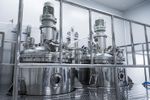
Industrial mixing processes have existed for decades, evolving from simple manual stirring methods to highly automated systems. Early chemical plants relied on mechanical agitators and basic tank mixers. Today, advanced equipment integrates sensors, programmable logic controllers (PLCs), and automated monitoring systems.
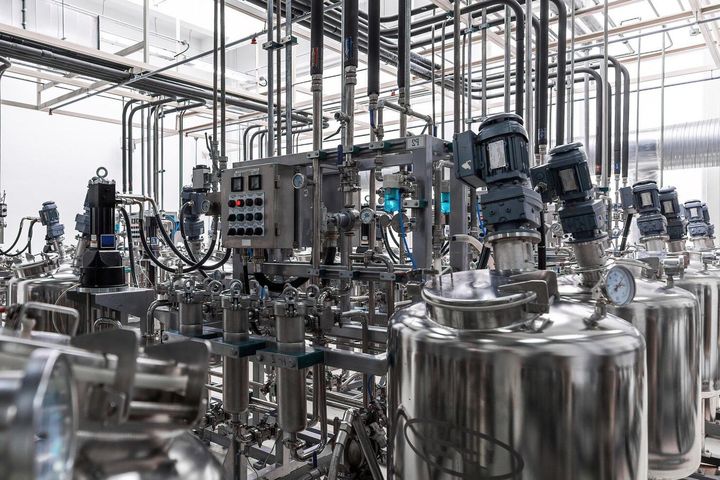
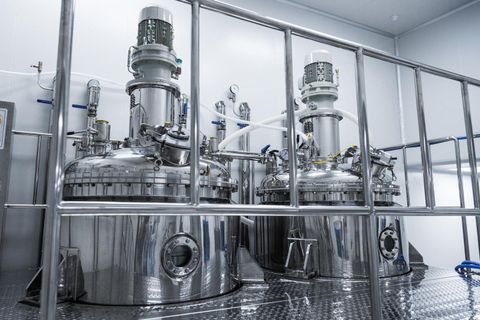
Chemical mixing equipment typically includes several core components:
-
Mixing vessels or tanks
-
Agitators or impellers
-
Motors and drive systems
-
Control systems
-
Temperature and pressure monitoring devices
Different types of mixers are designed for specific tasks. For example, high-shear mixers are used when strong mixing forces are required, while ribbon blenders are suitable for powders and dry materials.
Chemical mixing plays an essential role in ensuring product consistency and safe reactions. In industries such as pharmaceuticals or specialty chemicals, even small variations in mixing can significantly affect product quality and performance.
As manufacturing processes become more precise and automated, chemical mixing equipment continues to evolve with improved efficiency, monitoring, and process control.
Importance
Chemical mixing equipment is a critical part of modern manufacturing processes. Many industries depend on precise mixing to achieve desired chemical reactions and maintain consistent product quality.
The importance of industrial mixing systems can be understood through several key factors.
• Product consistency – Proper mixing ensures uniform distribution of ingredients, which helps maintain stable product performance.
• Process efficiency – Automated mixing systems improve production speed while reducing manual labor.
• Safety management – Chemical reactions often generate heat or pressure, so controlled mixing helps reduce risks.
• Scalability – Industrial mixing systems allow manufacturers to scale production from small batches to large volumes.
• Quality control – Consistent mixing reduces variations in final products.
Industries that rely heavily on chemical mixing include:
| Industry | Mixing Purpose |
|---|
| Pharmaceuticals | Drug formulation and compound blending |
| Food & Beverage | Flavor mixing and ingredient blending |
| Water Treatment | Chemical dosing and treatment solutions |
| Petrochemicals | Refining processes and additives |
| Cosmetics | Creams, gels, and lotion formulations |
For example, in pharmaceutical manufacturing, precise mixing is necessary to ensure that active ingredients are evenly distributed in medications. In water treatment plants, chemical mixers help disperse disinfectants and coagulants effectively.
Because of these applications, reliable mixing technology supports productivity, safety, and regulatory compliance in multiple industries.
Recent Updates
Over the past year, several technological developments have influenced chemical mixing equipment. These updates mainly focus on automation, energy efficiency, and digital monitoring.
Smart Mixing Systems (2024–2025)
Many manufacturers are integrating Industrial Internet of Things (IIoT) technologies into mixing systems. Sensors now monitor temperature, viscosity, and rotational speed in real time. These systems help operators detect process changes earlier and improve production accuracy.
Energy-Efficient Motors (2024)
Energy efficiency has become a priority in industrial equipment design. New mixing motors and drives are designed to consume less power while maintaining consistent torque and mixing performance.
Advanced Impeller Designs (2025)
Modern impeller designs focus on improving fluid flow patterns. Engineers have introduced optimized blade shapes that reduce mixing time and increase uniformity in complex chemical formulations.
Automation and Process Control (2025)
Programmable logic controllers and automated control panels now allow manufacturers to monitor mixing cycles remotely. This helps reduce human error and improves operational reliability.
The trend toward automation and data monitoring reflects the broader shift toward smart manufacturing. As industries adopt Industry 4.0 technologies, chemical mixing systems are becoming more connected and intelligent.
Laws or Policies
Chemical processing and mixing operations are regulated by various safety and environmental standards. These regulations ensure safe handling of chemicals and responsible manufacturing practices.
Different countries have their own frameworks, but many follow internationally recognized standards.
Occupational Safety Regulations
Manufacturing plants must comply with workplace safety guidelines that regulate the handling of hazardous chemicals and equipment operations.
Examples include:
-
Chemical exposure limits
-
Equipment safety standards
-
Worker protection protocols
Environmental Protection Policies
Chemical mixing processes may involve emissions, waste products, or hazardous materials. Environmental regulations require companies to control waste disposal and prevent contamination.
Typical regulatory requirements include:
-
Chemical waste management
-
Emission monitoring
-
Spill prevention procedures
Industrial Equipment Standards
Equipment manufacturers often follow international technical standards related to mechanical design, electrical safety, and process equipment.
These standards help ensure that mixing equipment operates safely under various conditions such as pressure, temperature, and chemical reactivity.
Government agencies and industrial safety organizations regularly update guidelines to address new chemical processes and emerging environmental concerns.
Tools and Resources
Professionals involved in chemical mixing processes often rely on various digital tools and resources to design, monitor, and optimize mixing systems.
Some widely used resources include:
• Process simulation software – Helps engineers model fluid behavior and mixing efficiency.
• Industrial control systems – Monitor equipment performance and automate mixing operations.
• Chemical property databases – Provide data on viscosity, density, and reaction characteristics.
• Engineering design software – Used to design mixing tanks and impellers.
• Process monitoring dashboards – Track real-time production metrics.
Below is a simplified example of how mixing performance data may be monitored.
| Parameter | Typical Monitoring Purpose |
|---|
| Mixing speed | Ensures proper agitation |
| Temperature | Prevents overheating |
| Viscosity | Indicates fluid consistency |
| Mixing time | Measures process efficiency |
| Energy consumption | Evaluates operational efficiency |
These tools help engineers optimize mixing processes and improve production reliability.
Example Graph: Mixing Efficiency vs Mixing Time
The graph shows how mixing efficiency typically improves as mixing time increases, eventually reaching a stable level once uniform distribution is achieved.
FAQs
What is chemical mixing equipment used for?
Chemical mixing equipment is used to combine liquids, solids, or gases to create uniform mixtures. It supports industrial processes such as formulation, chemical reactions, and product manufacturing.
What are the main types of industrial mixers?
Common types include agitators, ribbon blenders, paddle mixers, high-shear mixers, and static mixers. Each type is designed for different materials and mixing requirements.
Why is mixing important in chemical manufacturing?
Mixing ensures that ingredients are evenly distributed, which improves product consistency, reaction efficiency, and process safety.
How does automation improve mixing systems?
Automation allows precise control over mixing speed, temperature, and time. It also enables remote monitoring and reduces the risk of human error.
What factors affect mixing efficiency?
Mixing efficiency depends on several factors such as impeller design, mixing speed, fluid viscosity, tank geometry, and mixing duration.
Conclusion
Chemical mixing equipment plays a vital role in many industrial sectors by ensuring accurate blending and reliable chemical reactions. From pharmaceuticals and cosmetics to water treatment and petrochemicals, consistent mixing processes support product quality and operational efficiency.
Advances in automation, energy-efficient motors, and smart monitoring technologies have significantly improved modern mixing systems. These innovations help industries achieve better process control while maintaining safety and regulatory compliance.
At the same time, environmental regulations and industrial standards continue to guide how chemical processing equipment is designed and operated.
As manufacturing technologies evolve, chemical mixing equipment will remain a key component in modern industrial production, enabling efficient and controlled chemical processing across a wide range of applications.