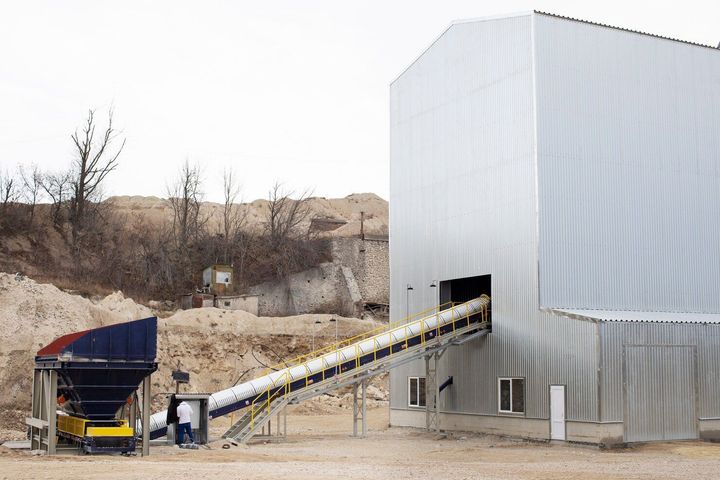
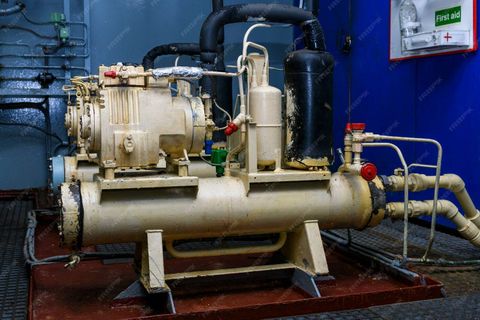
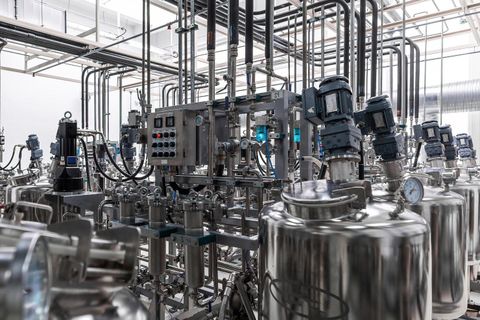
Cement manufacturing is a critical part of infrastructure development around the world. Buildings, highways, bridges, dams, and industrial facilities all rely on cement-based materials. Because cement demand remains high globally, cement plants rely on automated and heavy-duty machinery to maintain efficiency, safety, and consistent product quality.
Typical cement production systems include several stages:
-
Raw material preparation
-
Grinding and blending
-
Clinker production in rotary kilns
-
Cement grinding and storage
-
Packaging and distribution
Each stage uses specialized machinery designed to handle raw materials, high temperatures, and continuous operation.
Why Cement Production Machinery Matters in Modern Infrastructure
Cement production machinery plays an important role in construction and industrial development. Without automated cement manufacturing equipment, producing cement at the scale needed for global infrastructure would be extremely difficult.
Several industries depend on reliable cement manufacturing systems:
-
Construction and infrastructure development
-
Transportation and highway projects
-
Residential and commercial real estate
-
Industrial plant construction
-
Energy and power facilities
Efficient cement production systems help address major challenges in modern construction:
-
Maintaining consistent cement quality
-
Reducing energy consumption
-
Improving production efficiency
-
Managing emissions and environmental impact
Because cement production is energy-intensive, modern machinery focuses on improving process efficiency and reducing environmental impact.
Typical Cement Production Capacity by Plant Type
| Plant Type | Daily Production Capacity | Typical Use |
|---|
| Small Cement Plant | 500–1000 tons/day | Regional construction demand |
| Medium Cement Plant | 2000–5000 tons/day | Urban infrastructure |
| Large Integrated Plant | 10,000+ tons/day | National construction projects |
Large-scale plants rely on advanced automation systems and integrated process control technology.
Core Cement Production Machinery Used in Modern Plants
Modern cement plants operate using several key types of industrial machinery. Each machine performs a specific role in the cement production process.
Raw Material Crushers
Crushers break large limestone rocks into smaller pieces suitable for further processing.
Common crusher types include:
-
Jaw crushers
-
Hammer crushers
-
Impact crushers
-
Roll crushers
These machines reduce raw materials into manageable sizes for grinding.
Raw Mill Grinding Systems
After crushing, raw materials are ground into a fine powder known as raw meal.
Common grinding systems include:
-
Vertical roller mills (VRM)
-
Ball mills
-
High-pressure grinding rollers (HPGR)
Vertical roller mills are increasingly preferred because they reduce energy consumption and improve grinding efficiency.
Rotary Kiln Systems
The rotary kiln is the central component of cement production machinery.
This large cylindrical furnace rotates slowly while heating raw materials to extremely high temperatures (around 1450°C). During this process, chemical reactions transform raw meal into clinker, which is the main ingredient in cement.
Key kiln components include:
-
Preheater towers
-
Precalciner systems
-
Rotary kiln chamber
-
Clinker cooler
Rotary kilns typically operate continuously for months at a time.
Clinker Cooling Systems
Once clinker exits the kiln, it must be cooled rapidly to maintain its chemical structure.
Clinker coolers commonly used in cement plants include:
-
Grate coolers
-
Rotary coolers
-
Planetary coolers
Efficient cooling improves energy recovery and clinker quality.
Cement Grinding Mills
Clinker is mixed with gypsum and ground into fine cement powder.
Common grinding equipment includes:
-
Ball mills
-
Vertical cement mills
-
Roller press grinding systems
Grinding is one of the most energy-intensive steps in cement manufacturing.
Cement Storage and Handling Systems
After grinding, cement must be stored and transported safely.
Typical systems include:
-
Cement silos
-
Pneumatic conveyors
-
Packing machines
-
Bulk loading systems
Automation systems help manage storage capacity and distribution flow.
Technology Trends in Cement Production Machinery (2024–2025)
Over the past year, the cement industry has introduced several innovations to improve energy efficiency and reduce environmental impact.
Digital Automation and Smart Cement Plants
In 2024, many cement plants expanded the use of industrial automation platforms and predictive maintenance systems. These technologies help monitor equipment performance in real time.
Key digital tools include:
-
AI-based process optimization systems
-
Industrial IoT monitoring sensors
-
Automated kiln control software
-
Predictive maintenance analytics
These systems help reduce equipment downtime and energy waste.
Carbon Reduction Technologies
Because cement production contributes to global carbon emissions, several new technologies are being tested.
Recent developments include:
-
Carbon capture and storage (CCS) systems
-
Alternative fuel kiln systems
-
Waste heat recovery units
In 2024, multiple cement manufacturers began deploying large-scale carbon capture pilot projects.
Energy Efficiency Improvements
Energy efficiency remains a major focus in cement machinery design.
Recent upgrades include:
-
High-efficiency grinding systems
-
Low-energy vertical roller mills
-
Improved kiln insulation materials
-
Waste heat power generation systems
These upgrades help reduce the electricity consumption of cement plants.
Regulations and Environmental Policies Affecting Cement Production
Cement production machinery operates under strict environmental and industrial regulations in many countries.
These policies focus on:
-
Air pollution control
-
Carbon emission reduction
-
Industrial energy efficiency
-
Workplace safety standards
Environmental Emission Standards
Governments often regulate emissions such as:
-
Carbon dioxide (CO₂)
-
Nitrogen oxides (NOx)
-
Sulfur dioxide (SO₂)
-
Particulate dust
Cement plants must install pollution control equipment such as:
-
Baghouse filters
-
Electrostatic precipitators
-
Flue gas monitoring systems
Energy Efficiency Programs
Many countries support industrial energy efficiency through national programs.
Examples include:
-
Industrial energy audit programs
-
Carbon reporting frameworks
-
Environmental impact regulations
These programs encourage cement plants to upgrade machinery and adopt cleaner technologies.
Useful Tools and Resources for Cement Production Analysis
Various tools help engineers and researchers analyze cement manufacturing processes.
Industrial Simulation Software
Common software used in cement plant analysis:
-
Aspen Plus – Process simulation for industrial plants
-
MATLAB – Engineering modeling and control system design
-
SolidWorks – Mechanical design of industrial machinery
Process Monitoring Systems
Modern cement plants use specialized monitoring systems:
-
SCADA (Supervisory Control and Data Acquisition)
-
Distributed Control Systems (DCS)
-
Industrial IoT sensor networks
These systems provide real-time operational data.
Energy Efficiency Calculators
Energy management tools help estimate plant efficiency.
Example calculation factors:
| Parameter | Purpose |
|---|
| Specific Energy Consumption | Measures energy used per ton of cement |
| Thermal Efficiency | Evaluates kiln performance |
| Clinker Factor | Indicates clinker proportion in cement |
These metrics help optimize production systems.
Frequently Asked Questions
What is the most important machine in cement production?
The rotary kiln is considered the most important machine because it performs the chemical reactions that convert raw materials into clinker.
Why is cement production energy intensive?
Cement production requires extremely high temperatures for clinker formation. Heating materials to around 1450°C requires large amounts of fuel and electricity.
What raw materials are used in cement production?
The primary raw materials include:
-
Limestone
-
Clay or shale
-
Iron ore
-
Gypsum
These materials are processed and heated to produce cement.
How long can cement production machinery operate continuously?
Large cement plants often operate machinery continuously for several months. Maintenance shutdowns are scheduled periodically to inspect and repair equipment.
Can cement plants reduce environmental impact?
Yes. Modern cement plants are adopting technologies such as:
-
Alternative fuels
-
Carbon capture systems
-
Waste heat recovery
-
Energy-efficient grinding systems
These solutions help reduce emissions and energy consumption.
Conclusion
Cement production machinery forms the foundation of modern cement manufacturing. From crushers and grinding mills to rotary kilns and clinker coolers, each piece of equipment plays a vital role in transforming raw materials into cement.
As infrastructure development continues worldwide, cement plants must balance high production capacity with energy efficiency and environmental responsibility. Recent technological advances, including digital automation and carbon reduction systems, are helping the industry move toward more sustainable production methods.
Understanding the machinery used in cement manufacturing provides valuable insight into one of the most essential industrial processes supporting modern construction and global development.