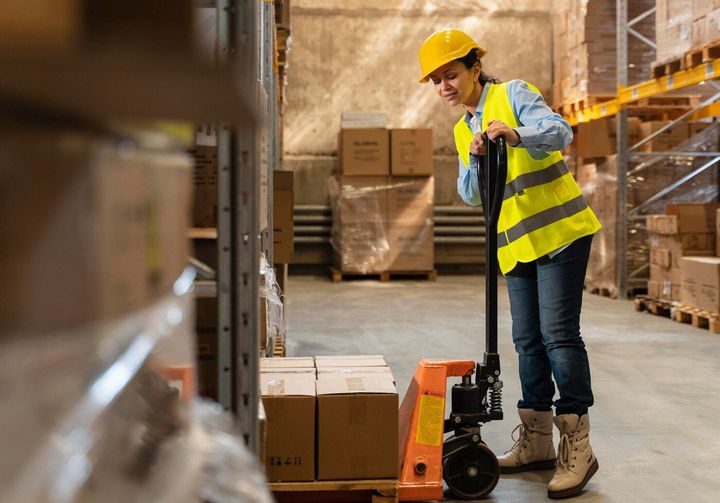
As global trade expands and logistics networks become more complex, cargo handling technologies have evolved to support faster operations, reduce manual labor, and improve cargo safety. Today’s systems combine mechanical equipment, automation software, and digital tracking solutions to handle a wide variety of cargo types including containers, bulk materials, and specialized freight.
What Cargo Handling Systems Include
Cargo handling systems typically involve multiple components that work together within a logistics environment.
| System Component | Purpose | Common Applications |
|---|
| Conveyors | Move goods within facilities | Warehouses, airports |
| Cranes | Lift heavy cargo containers | Seaports, shipyards |
| Automated Guided Vehicles (AGVs) | Transport goods autonomously | Distribution centers |
| Container Handling Equipment | Manage standardized containers | Shipping terminals |
| Bulk Handling Systems | Transfer loose materials | Mining and agriculture logistics |
These technologies help streamline logistics processes while reducing delays in cargo transfer operations.
Why Cargo Handling Systems Exist
The primary purpose of cargo handling systems is to ensure the safe and efficient movement of goods across transportation networks. Without structured handling systems, large-scale global trade would face severe delays and safety risks.
Modern cargo terminals process thousands of containers or shipments daily. Automated and mechanized handling systems allow these facilities to manage high cargo volumes while maintaining accuracy in sorting, routing, and storage.
Importance of Cargo Handling Systems in Modern Logistics
Cargo handling systems play a critical role in the global logistics infrastructure. As international trade volumes grow, the demand for efficient cargo movement continues to increase across industries such as manufacturing, retail, agriculture, and energy.
Role in Global Supply Chains
Efficient cargo handling ensures that goods reach their destinations on time. This is especially important in industries that rely on time-sensitive deliveries such as pharmaceuticals, electronics, and food supply chains.
Key benefits include:
-
Faster loading and unloading operations
-
Reduced cargo damage and handling errors
-
Improved warehouse organization and storage efficiency
-
Lower operational risks in high-volume logistics hubs
Impact on Port and Airport Operations
Ports and airports rely heavily on advanced cargo handling systems to maintain operational flow. Large container terminals use cranes, automated stacking systems, and tracking software to manage thousands of shipments daily.
The following table illustrates how cargo handling affects operational performance.
| Operational Area | Impact of Efficient Cargo Handling |
|---|
| Port Efficiency | Faster vessel turnaround times |
| Warehouse Logistics | Better storage space utilization |
| Transportation Networks | Reduced transit delays |
| Safety Management | Lower risk of workplace accidents |
Industries That Depend on Cargo Handling Systems
Many sectors depend on reliable cargo handling processes.
-
Global shipping and maritime trade
-
Air cargo transportation
-
Manufacturing supply chains
-
E-commerce logistics distribution
-
Mining and bulk material transport
These industries rely on coordinated handling operations to maintain supply chain continuity.
Recent Developments in Cargo Handling Technology
In the past few years, cargo handling systems have seen significant technological improvements driven by automation, artificial intelligence, and smart logistics solutions.
Automation and Robotics in Ports
By 2024, several international container terminals began adopting automated stacking cranes and robotic container transport systems. These technologies reduce manual labor while improving operational accuracy.
Automated cargo terminals can process containers faster while minimizing human error in logistics operations.
Smart Logistics and Digital Tracking
Digital cargo tracking technologies are also transforming logistics management. Modern cargo systems integrate IoT sensors, RFID tracking, and cloud-based logistics platforms to monitor cargo movement in real time.
These systems help logistics managers track cargo conditions, delivery schedules, and terminal operations more effectively.
Sustainable Cargo Handling Initiatives
Environmental sustainability has become an important focus in logistics operations.
Recent developments include:
-
Electrified cargo handling vehicles
-
Energy-efficient port cranes
-
Smart routing systems to reduce fuel usage
-
Low-emission cargo terminals
In 2025, several ports worldwide announced sustainability programs aimed at reducing emissions from cargo handling equipment.
Growth of Automated Warehousing
E-commerce growth has accelerated the development of automated cargo handling within warehouses. Automated sorting systems and robotic picking technologies now support high-volume distribution centers.
A simplified comparison of traditional and automated cargo handling is shown below.
| Feature | Traditional Handling | Automated Handling |
|---|
| Labor Dependence | High | Lower |
| Processing Speed | Moderate | High |
| Error Rate | Higher | Lower |
| Data Integration | Limited | Advanced analytics |
These technological changes continue to reshape logistics operations across industries.
Regulations and Policies Affecting Cargo Handling
Cargo handling operations are governed by international safety standards, national transport regulations, and environmental policies.
Maritime and Port Regulations
International shipping operations follow regulations set by global maritime organizations and national port authorities. These rules help ensure safe cargo transfer, environmental protection, and worker safety.
Cargo handling operations must follow strict guidelines related to:
-
Container weight verification
-
Hazardous material handling procedures
-
Equipment safety standards
-
Cargo documentation and tracking
Aviation Cargo Regulations
Air cargo handling is regulated by aviation authorities that enforce strict guidelines for cargo loading, safety inspection, and dangerous goods transportation.
These regulations ensure that cargo transported by aircraft meets safety requirements and does not pose risks during flight operations.
Workplace Safety Standards
Cargo handling environments often involve heavy machinery and high-risk activities. Safety policies require facilities to implement protective procedures including:
-
Equipment maintenance programs
-
Worker training for heavy machinery operation
-
Hazard identification protocols
-
Emergency response planning
Government labor safety programs also influence how cargo terminals manage worker safety.
Tools and Resources for Cargo Handling Operations
A variety of digital tools and logistics technologies support modern cargo handling systems.
Logistics Management Platforms
Logistics software helps coordinate cargo movement across warehouses, transportation networks, and shipping terminals.
| Tool Type | Purpose |
|---|
| Warehouse Management Systems (WMS) | Manage inventory and storage operations |
| Terminal Operating Systems (TOS) | Coordinate port cargo movement |
| Fleet Tracking Software | Monitor vehicle logistics operations |
| Supply Chain Analytics Tools | Analyze logistics performance data |
Cargo Planning and Optimization Tools
Planning tools help logistics professionals optimize cargo flow and reduce operational delays.
Common features include:
-
Cargo scheduling systems
-
Load planning calculators
-
Route optimization platforms
-
Cargo tracking dashboards
Training and Knowledge Resources
Professionals working in cargo logistics often rely on educational platforms and industry organizations that provide training materials, technical documentation, and operational guidelines.
These resources help logistics teams stay informed about safety practices, technological innovations, and regulatory updates.
Frequently Asked Questions About Cargo Handling Systems
What are cargo handling systems used for?
Cargo handling systems are used to load, unload, move, and store goods during transportation processes. They help ensure that cargo transfers between ships, trucks, trains, and warehouses are efficient and safe.
Where are cargo handling systems commonly used?
These systems are commonly used in seaports, airports, freight terminals, warehouses, distribution centers, and manufacturing logistics facilities.
What types of cargo require specialized handling systems?
Certain cargo types require specialized equipment. Examples include hazardous materials, oversized industrial components, temperature-sensitive goods, and bulk materials such as coal or grain.
How has automation improved cargo handling operations?
Automation technologies reduce manual labor, improve operational accuracy, and allow facilities to process higher cargo volumes. Automated cranes, robotic vehicles, and digital tracking systems help streamline logistics workflows.
Why are safety regulations important in cargo handling?
Cargo handling operations involve heavy equipment and high-risk environments. Safety regulations help protect workers, prevent accidents, and ensure that hazardous materials are handled correctly.
Conclusion
Cargo handling systems are a vital part of global logistics infrastructure. They support the efficient movement of goods across transportation networks while ensuring safety and operational accuracy. As international trade continues to grow, advanced cargo handling technologies are becoming increasingly important in ports, warehouses, and distribution centers.
Automation, digital logistics platforms, and sustainability initiatives are shaping the future of cargo handling operations. Organizations across shipping, manufacturing, and logistics sectors rely on these systems to maintain supply chain continuity and improve operational efficiency.
Understanding how cargo handling systems work helps highlight their importance in the global movement of goods and the ongoing development of modern logistics networks.