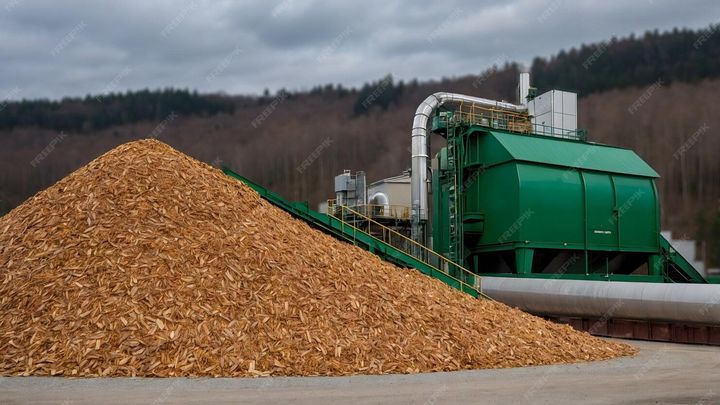
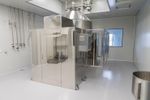
Biomass energy exists as part of the broader renewable energy ecosystem. Unlike fossil fuels, biomass relies on naturally replenished organic resources such as sawdust, crop residues, wood chips, and plant fibers. Pelletization technology transforms these loose materials into compact pellets that are easier to store, transport, and burn efficiently.
The concept of biomass pellet machines emerged as industries and governments began searching for alternative energy systems that could reduce environmental impact while utilizing existing organic waste streams. Through controlled pressure and heat, pellet machines compress raw biomass materials into uniform cylindrical pellets with consistent energy density.
Today, biomass pellet technology is widely used across multiple sectors including power plants, industrial heating systems, and residential heating solutions. The growing emphasis on renewable energy infrastructure has increased interest in pellet manufacturing technologies worldwide.
Why Biomass Pellet Machines Matter Today
The global energy landscape is evolving rapidly due to environmental concerns, energy security challenges, and the need to reduce dependence on fossil fuels. Biomass pellet machines have become increasingly relevant as they enable the transformation of organic waste into a renewable fuel source.
Several factors contribute to the importance of biomass pelletization systems.
Key reasons biomass pellet technology matters:
-
Utilizes agricultural and forestry residues effectively
-
Supports renewable energy infrastructure
-
Improves fuel storage and transportation efficiency
-
Reduces landfill waste from organic materials
-
Contributes to sustainable energy strategies
Industries that rely on large-scale heating systems benefit from biomass pellets because they provide a stable and uniform fuel format. Pelletized biomass burns more consistently than raw organic material, which improves energy efficiency and reduces operational variability.
Another important advantage lies in the circular economy concept. Agricultural residues that were previously discarded can now become part of a productive energy cycle. For example, rice husks, wheat straw, and sawdust can be transformed into pellet fuel rather than being disposed of as waste.
Comparison of Raw Biomass and Pelletized Biomass
| Feature | Raw Biomass | Pelletized Biomass |
|---|
| Density | Low | High |
| Storage Efficiency | Difficult | Easier |
| Transport Efficiency | Lower | Higher |
| Energy Consistency | Variable | More uniform |
| Handling | Bulk material | Standardized pellets |
This transformation improves the practicality of biomass energy systems in both industrial and residential applications.
Recent Developments in Biomass Pellet Technology
Over the past few years, biomass pellet machines have undergone significant technological improvements. Equipment manufacturers and energy researchers continue to explore ways to improve pellet quality, energy efficiency, and automation within pellet production systems.
Several notable trends emerged during 2024 and 2025.
Automation and smart monitoring
Modern pellet machines increasingly include sensor-based monitoring systems. These systems track temperature, pressure, and moisture levels during pelletization to maintain consistent pellet quality.
Improved energy efficiency
New machine designs focus on reducing electricity consumption during the pellet production process. Engineers are optimizing roller mechanisms, die structures, and motor efficiency.
Integration with renewable energy facilities
Some biomass pellet facilities are now integrated with renewable power plants or district heating systems. This allows pellet production to directly support energy generation infrastructure.
Advanced feedstock processing
Researchers have developed improved methods for preparing raw biomass materials before pelletization. Pretreatment techniques such as drying, grinding, and conditioning help create stronger and more uniform pellets.
Biomass Pellet Production Flow
| Production Stage | Purpose |
|---|
| Raw material collection | Gather biomass residues |
| Drying process | Reduce moisture content |
| Grinding stage | Produce fine biomass particles |
| Pellet compression | Form dense cylindrical pellets |
| Cooling and screening | Stabilize pellets for storage |
Recent developments aim to optimize each stage of this process to ensure higher pellet durability and improved energy output.
Policies and Regulations Influencing Biomass Pellet Technology
Biomass energy systems often operate within regulatory frameworks that promote renewable energy development and environmental sustainability. Many countries have introduced policies encouraging the use of renewable fuels, including biomass pellets.
In India, renewable energy initiatives continue to emphasize biomass utilization as part of broader energy transition goals.
Several policy frameworks influence biomass pellet production and adoption.
National Bioenergy Programs
India’s Ministry of New and Renewable Energy (MNRE) supports biomass-based power generation and bioenergy research programs. These initiatives aim to encourage cleaner energy technologies and better use of agricultural residues.
Environmental regulations
Air quality regulations influence how biomass fuels are produced and used. Pelletized biomass typically burns more efficiently than loose biomass, helping reduce particulate emissions in some energy systems.
Agricultural residue management
Some policy discussions focus on reducing crop residue burning by promoting alternative uses for agricultural waste. Biomass pellet production can provide an additional pathway for utilizing these residues productively.
Example Renewable Energy Policy Areas
| Policy Area | Focus |
|---|
| Renewable energy targets | Increasing share of clean energy |
| Agricultural waste utilization | Reducing crop residue burning |
| Bioenergy research funding | Encouraging technology innovation |
| Environmental monitoring | Ensuring emission compliance |
These policies indirectly influence how pellet production technologies evolve and expand within energy systems.
Useful Tools and Resources for Biomass Pellet Technology
Several digital tools, informational platforms, and technical resources support professionals, researchers, and students studying biomass pellet production.
These tools help analyze biomass resources, evaluate pellet production systems, and understand renewable energy technologies.
Common tools and resources include:
-
Biomass energy calculators
-
Renewable energy research portals
-
Industrial process simulation tools
-
Bioenergy technical documentation databases
-
Environmental impact assessment frameworks
Examples of Resource Categories
| Resource Type | Purpose |
|---|
| Energy calculators | Estimate biomass energy output |
| Research databases | Access bioenergy studies |
| Engineering simulation tools | Model pellet production systems |
| Technical documentation | Understand equipment specifications |
| Policy information portals | Track renewable energy regulations |
Educational institutions, research organizations, and energy agencies often provide publicly available information about biomass energy technologies and pellet manufacturing systems.
These resources help improve understanding of biomass processing, energy efficiency, and sustainability considerations.
Frequently Asked Questions About Biomass Pellet Machines
What materials can biomass pellet machines process?
Biomass pellet machines can process various organic materials such as wood chips, sawdust, agricultural residues, straw, rice husks, and other plant-based biomass resources. The materials typically require proper drying and grinding before pelletization.
How do biomass pellet machines produce pellets?
Pellet machines compress prepared biomass material through a metal die using rollers. The combination of pressure, friction, and heat binds the biomass particles together, forming compact cylindrical pellets.
Why are biomass pellets used as fuel?
Pellets provide higher density and more consistent combustion compared with loose biomass materials. This improves fuel handling, storage efficiency, and energy output consistency.
Are biomass pellets considered renewable energy?
Yes, biomass energy is widely classified as a renewable energy source because it relies on organic materials that can be replenished through natural processes such as plant growth and agricultural production.
What industries use biomass pellets?
Biomass pellets are used in several sectors including industrial heating systems, power generation plants, district heating networks, and residential heating appliances designed for pellet fuel.
Conclusion
Biomass pellet machines represent an important technological solution within the renewable energy landscape. By transforming agricultural residues, forestry waste, and other organic materials into standardized fuel pellets, these machines contribute to more efficient and sustainable energy systems.
Advancements in pellet machine design, automation, and energy efficiency continue to improve the performance and reliability of pellet production technologies. At the same time, renewable energy policies and environmental initiatives are encouraging broader exploration of biomass energy solutions.
As the global focus on sustainable energy grows, biomass pellet machines will likely remain a valuable component of renewable energy infrastructure. Their ability to convert organic waste into usable fuel highlights the potential of biomass resources within modern energy systems.
Understanding how pelletization technology works—and how it fits within energy policies, industrial processes, and sustainability efforts—helps provide a clearer picture of the role biomass energy may play in the future.