Beginner’s Guide: Understanding the Basics of Augmented Reality in Manufacturing
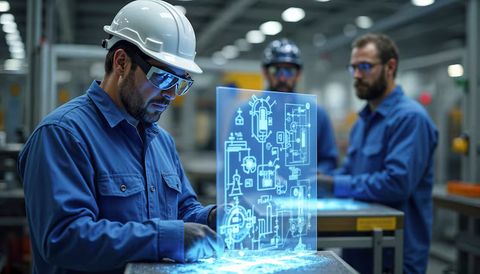
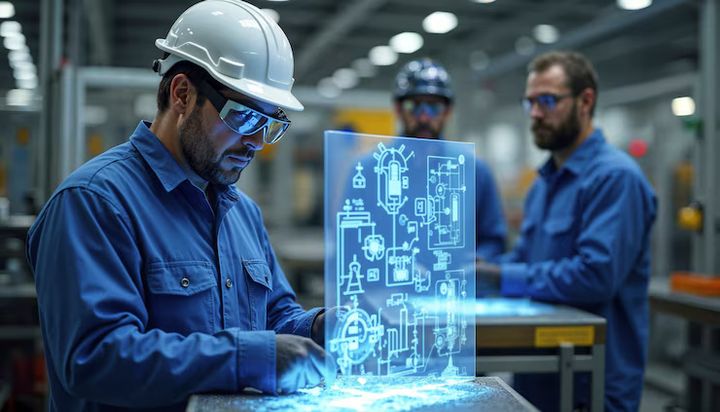
Augmented reality in manufacturing refers to the use of digital information layered onto the physical environment to assist with industrial processes. This technology combines real-world views with computer-generated visuals, such as instructions, diagrams, or data overlays, viewed through devices like smart glasses, tablets, or head-mounted displays. While augmented reality (AR) first gained attention in gaming and entertainment, it has gradually expanded into industrial settings where precision and efficiency are important.
The origins of augmented reality in manufacturing can be traced to early experiments in computer visualization and industrial automation. As factories became more complex, the need for tools that could simplify tasks and improve understanding of machinery grew. AR emerged as a way to bridge the gap between digital data and physical operations, allowing workers to interact with information directly in their field of view.
Today, augmented reality is part of broader digital transformation efforts in manufacturing. It is often connected with technologies like the Internet of Things (IoT), artificial intelligence, and advanced robotics. Together, these tools aim to make production systems more adaptable and easier to manage, especially for workers who may not have extensive technical training.
Importance
Understanding the basics of augmented reality in manufacturing matters because it addresses several common challenges faced in industrial environments. These include complex assembly processes, training difficulties, equipment maintenance, and communication gaps between teams.
One key area where AR is useful is training. Traditional training methods often rely on manuals or classroom sessions, which may not fully prepare workers for real-world tasks. With augmented reality, instructions can appear directly on equipment, helping users follow steps more accurately. This reduces the chances of errors and improves confidence among new workers.
Another important application is maintenance and repair. Machines in manufacturing facilities can be intricate, with multiple components that require careful handling. AR can guide technicians through repair procedures by displaying step-by-step instructions or highlighting specific parts. This can help reduce downtime and improve consistency in maintenance work.
Augmented reality also improves collaboration. For example, remote experts can view what a worker sees through AR devices and provide guidance in real time. This can be particularly helpful in situations where specialized knowledge is needed but not immediately available on-site.
Overall, augmented reality in manufacturing supports safer working conditions, better productivity, and clearer communication across teams.
Recent Updates
Recent developments in augmented reality in manufacturing reflect broader advancements in hardware and software. Devices have become lighter, more comfortable, and capable of displaying clearer visuals. This has made AR tools easier to use over longer periods without causing discomfort.
Software platforms have also improved, offering more intuitive interfaces and better integration with existing manufacturing systems. For instance, AR applications can now connect with digital twins—virtual models of physical systems—to provide real-time insights into machine performance.
Another trend is the use of artificial intelligence alongside AR. AI can analyze data from machines and suggest actions, while AR presents these suggestions visually to workers. This combination helps users make informed decisions more quickly.
Cloud computing is also playing a role, enabling AR systems to access and update data across multiple locations. This supports large-scale operations where consistency and coordination are important.
The general trend shows steady adoption of augmented reality in manufacturing, particularly in industries such as automotive, aerospace, and electronics, where precision and documentation are critical.
Laws or Policies
The use of augmented reality in manufacturing is influenced by various laws and policies related to workplace safety, data protection, and technology standards. These regulations help ensure that AR systems are used responsibly and do not introduce new risks.
Workplace safety regulations often require that any new technology, including AR devices, does not interfere with a worker’s ability to perform tasks safely. For example, head-mounted displays must not obstruct vision or distract users in hazardous environments.
Data protection laws are also relevant, especially when AR systems collect or transmit information. In many regions, companies must follow rules on how data is stored, processed, and shared. This is particularly important when AR devices capture images or videos of workspaces.
Industry standards organizations provide guidelines for interoperability and system performance. These standards help ensure that AR tools can work with existing equipment and software systems without causing compatibility issues.
Governments in some countries also support digital transformation initiatives, which may include guidance or frameworks for adopting technologies like augmented reality in manufacturing.
Tools and Resources
A range of tools and resources supports the use of augmented reality in manufacturing. These tools vary in complexity and are designed to assist with different stages of production and training.
Some commonly used categories include:
- AR hardware devices: such as smart glasses and headsets that display digital overlays directly in the user’s field of vision
- Mobile AR applications: tablet and smartphone-based tools that provide flexibility and are easier to deploy in smaller environments
- Content creation platforms: software that allows users to design AR experiences, including step-by-step instructions and 3D models
- Simulation tools: systems that enable virtual testing of manufacturing processes before actual implementation
- Integration platforms: tools that connect AR systems with enterprise software, such as inventory management or production tracking systems
Below is a simple comparison of common AR device types used in manufacturing:
| Device Type | Key Feature | Typical Use Case |
|---|---|---|
| Smart Glasses | Hands-free operation | Assembly and maintenance tasks |
| Tablets | Larger display and portability | Training and inspections |
| Head-Mounted Displays | Immersive visualization | Complex simulations and design |
| Smartphones | Easy accessibility | Quick reference and simple guidance |
These tools help organizations introduce augmented reality gradually, depending on their specific needs and existing infrastructure.
FAQs
What is augmented reality in manufacturing?
Augmented reality in manufacturing is a technology that overlays digital information onto physical environments to assist with tasks such as assembly, maintenance, and training.
How does augmented reality improve manufacturing processes?
It improves processes by providing real-time guidance, reducing errors, and helping workers understand complex tasks more easily through visual instructions.
What devices are used for augmented reality in manufacturing?
Common devices include smart glasses, tablets, smartphones, and head-mounted displays, each suited to different types of tasks.
Is augmented reality in manufacturing difficult to learn?
Most AR systems are designed with simple interfaces, making them accessible to users with varying levels of technical experience.
What are common uses of augmented reality in manufacturing?
Typical uses include training, equipment maintenance, quality inspection, and remote collaboration between teams.
Conclusion
Augmented reality in manufacturing connects digital information with real-world operations, making complex tasks easier to understand and perform. It supports training, maintenance, and collaboration by presenting information in a visual and interactive way. Ongoing developments in hardware and software continue to expand its applications across industries. As manufacturing environments evolve, AR remains an important tool in improving clarity and efficiency.