Beginner’s Guide to UV Curing Machines: What You Need to Know
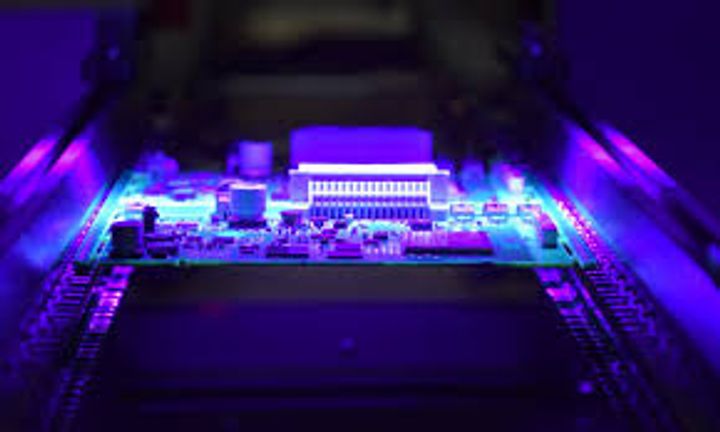
UV curing machines are devices that use ultraviolet (UV) light to quickly harden or “cure” certain materials such as inks, coatings, adhesives, and resins. This process relies on a chemical reaction triggered by UV light, which transforms liquid or soft substances into solid forms within seconds. UV curing technology has been used for several decades and is now common in industries such as printing, electronics, automotive manufacturing, and woodworking.
Unlike traditional drying methods that depend on heat or air exposure, UV curing machines use light energy to initiate curing. This makes the process faster and more controlled. The technology developed as a response to the need for efficient production methods that reduce drying time and improve material performance.
Today, UV curing machines are available in different sizes and configurations, ranging from compact units used in small workshops to large industrial systems integrated into automated production lines. Their growing use reflects advancements in materials science and manufacturing efficiency.
Importance
UV curing machines play a significant role in modern manufacturing and production processes. Their ability to cure materials quickly helps reduce processing time and supports higher productivity in various industries. For everyday consumers, this technology is often behind products such as printed packaging, coated furniture, electronic components, and even medical devices.
One of the main challenges addressed by UV curing machines is the need for faster and more consistent results. Traditional drying methods can take longer and may be affected by environmental conditions like temperature and humidity. UV curing offers a more predictable outcome, which is especially important in precision-based industries.
Key benefits that explain their importance include:
- Faster processing, where materials harden almost instantly under UV light
- Improved surface quality, resulting in smooth and durable finishes
- Reduced energy use compared to some heat-based systems
- Compact equipment design, allowing easier integration into existing workflows
For small-scale users and beginners, understanding UV curing machines can open opportunities to improve efficiency in tasks such as printing, crafting, or coating applications.
Recent Updates
In recent years, UV curing technology has seen steady development, particularly between 2024 and 2026. One notable trend is the shift toward LED-based UV curing machines. These systems use UV LED lamps instead of traditional mercury lamps, offering advantages such as lower energy consumption, longer operational life, and reduced heat output.
Another development is the increasing focus on environmentally conscious manufacturing. Many UV curing processes now use materials with fewer volatile compounds, which aligns with stricter environmental standards in several regions. This shift reflects broader efforts to reduce emissions and improve workplace safety.
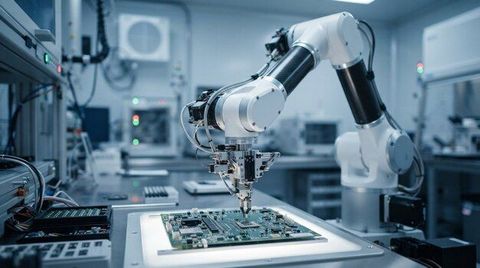
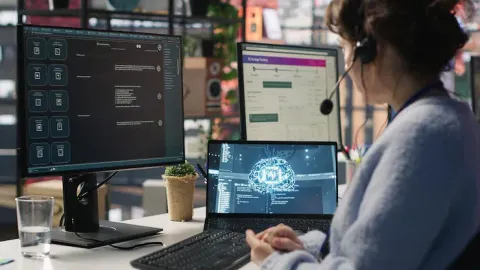
Automation has also become more common. Modern UV curing machines are often integrated with sensors and digital controls that monitor curing conditions in real time. This allows for better consistency and reduced errors during production.
Additionally, there is growing use of UV curing in emerging fields such as 3D printing and electronics assembly. These applications require precise curing and have contributed to the expansion of UV curing technologies into new areas.
Laws or Policies
The use of UV curing machines is influenced by safety and environmental regulations in many countries. These rules are designed to protect workers, ensure product safety, and reduce environmental impact.
In regions like India, Europe, and North America, regulations often focus on:
- Worker safety, including protection from UV radiation exposure through shielding and protective equipment
- Emission standards, particularly related to chemicals used in UV-curable materials
- Electrical safety requirements for industrial equipment
- Waste management guidelines for disposing of used materials and components
Manufacturers and operators are generally required to follow guidelines related to equipment installation, maintenance, and safe operation. For example, shielding around UV lamps helps prevent direct exposure to harmful radiation, while ventilation systems may be used to manage fumes from certain materials.
International standards organizations also provide guidelines for UV curing systems, helping ensure consistency in safety practices across different industries. These policies support safe and responsible use of the technology without limiting its industrial applications.
Tools and Resources
Beginners exploring UV curing machines can benefit from a range of tools and resources that simplify understanding and operation. These resources are often used in educational, industrial, and technical settings.
Common tools include:
- UV intensity meters, which measure the strength of UV light to ensure proper curing conditions
- Material compatibility charts, helping users select suitable inks, coatings, or adhesives
- Digital control panels, allowing users to adjust exposure time and light intensity
- Maintenance checklists, used to monitor equipment condition and performance
Online resources also play an important role. These may include:
- Technical guides explaining UV curing processes in simple terms
- Training videos demonstrating safe handling and setup
- Industry publications covering updates and case studies
- Simulation software that models curing conditions for different materials
The following table outlines basic components of UV curing machines and their functions:
| Component | Function Description |
|---|---|
| UV Lamp or LED Source | Emits ultraviolet light required for curing |
| Conveyor System | Moves materials through the curing area |
| Reflectors | Direct and focus UV light onto the material |
| Control Panel | Allows adjustment of exposure time and intensity |
| Cooling System | Maintains temperature during operation |
Understanding these components helps beginners grasp how UV curing machines operate and how different settings influence results.
FAQs
What is a UV curing machine and how does it work?
A UV curing machine uses ultraviolet light to trigger a chemical reaction in certain materials, causing them to harden quickly. The process involves exposing the material to UV light, which activates photoinitiators and leads to rapid curing.
Where are UV curing machines commonly used?
UV curing machines are widely used in printing, electronics manufacturing, automotive coatings, and woodworking. They are also used in smaller-scale applications such as crafts and prototyping.
Are UV curing machines safe to use?
UV curing machines are generally safe when proper precautions are followed. Safety measures include shielding to prevent direct exposure to UV light, wearing protective gear, and following operational guidelines.
What materials can be used with UV curing machines?
Materials designed for UV curing include specific inks, coatings, adhesives, and resins. These materials contain compounds that react to UV light and harden quickly when exposed.
What is the difference between LED and traditional UV curing machines?
LED UV curing machines use light-emitting diodes, which typically produce less heat and have longer operational life. Traditional systems use mercury lamps, which may require more maintenance and generate higher temperatures.
Conclusion
UV curing machines are an important part of modern production processes, offering a fast and efficient way to harden materials using light. Their development reflects ongoing advancements in manufacturing technology and environmental awareness. Understanding how these machines work, along with their components and safety considerations, helps beginners approach the technology with clarity. As the field continues to evolve, UV curing remains a practical solution for a wide range of applications.