Beginner’s Guide to Steel Pipes: Materials, Applications, and Selection Tips
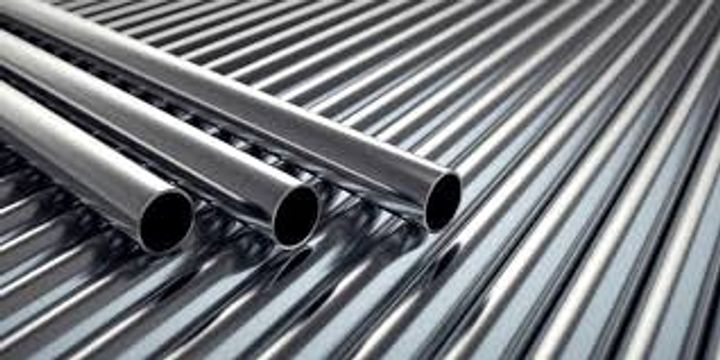
Steel pipes are cylindrical tubes made from steel, widely used to transport liquids, gases, and solids or to provide structural support in construction and infrastructure. They have been part of industrial development for many decades, evolving alongside advancements in metallurgy and manufacturing techniques. From early iron pipes to modern alloy-based materials, steel pipes have adapted to meet changing engineering and environmental needs.
A beginner’s guide to steel pipes helps explain the different materials used, how these pipes are manufactured, and where they are applied. Steel pipes are typically categorized based on their composition, such as carbon steel, stainless steel, or alloy steel, and their production methods, including seamless and welded processes. Each type is designed to meet specific functional requirements, such as strength, corrosion resistance, or pressure tolerance.
Understanding the basics of steel pipes is useful for anyone involved in construction, maintenance, or infrastructure planning. It also helps general readers recognize how these everyday components contribute to water supply systems, transportation networks, and industrial processes.
Importance
Steel pipes play an essential role in modern life, even though they are often hidden from view. They are used in residential plumbing, energy transportation, and public infrastructure systems. Their durability and adaptability make them suitable for both small-scale and large-scale applications.
One key reason steel pipes matter is their ability to handle high pressure and temperature conditions. This makes them important in industries such as oil and gas, power generation, and manufacturing. For example, pipelines that carry natural gas or petroleum rely on strong and reliable steel materials to maintain safety and efficiency.
Steel pipes also support construction projects by acting as structural elements. In buildings and bridges, they can be used as columns, frames, or reinforcements. Additionally, they are commonly found in irrigation systems, helping transport water across agricultural land.
For everyday users, understanding steel pipes can help in making informed decisions about home repairs or renovations. Knowing the differences between materials and applications can reduce confusion when selecting suitable options for plumbing or structural use.
Recent Updates
In recent years, the steel pipe industry has seen gradual changes driven by environmental concerns and technological advancements. One noticeable trend is the development of corrosion-resistant materials, including improved stainless steel grades and protective coatings. These innovations aim to extend the lifespan of pipes and reduce maintenance needs.
Another development is the use of automation and digital monitoring in manufacturing processes. Modern production facilities often use sensors and data systems to ensure consistent quality and precise dimensions. This helps improve safety and reliability in applications where accuracy is critical.
There is also growing interest in sustainable production practices. Manufacturers are exploring ways to reduce energy consumption and emissions during steel production. Recycling of steel materials has become more common, contributing to resource efficiency and reduced environmental impact.
In addition, the demand for steel pipes in renewable energy systems, such as geothermal and hydrogen-based infrastructure, has increased. These emerging applications require materials that can handle unique conditions, leading to further innovation in steel pipe design.
Laws or Policies
Steel pipes are subject to various regulations and standards to ensure safety, quality, and environmental compliance. These rules are typically set by national and international organizations and are applied across industries.
In India, standards for steel pipes are defined by organizations such as the Bureau of Indian Standards (BIS). These standards specify requirements related to dimensions, material composition, and testing methods. Compliance with these guidelines helps ensure that pipes meet safety and performance expectations.
International standards, such as those developed by ASTM and ISO, are also widely referenced. These frameworks provide consistent criteria for manufacturing and testing, making it easier to maintain quality across different regions.
Environmental policies also influence the production and use of steel pipes. Regulations may address emissions during manufacturing, waste management, and recycling practices. In infrastructure projects, compliance with safety codes and environmental guidelines is often required before installation.
Understanding these regulations can help individuals and organizations ensure that the materials they use are suitable for their intended applications and meet required safety benchmarks.
Tools and Resources
Several tools and resources can help beginners better understand steel pipes and make informed decisions about their use. These resources are designed to simplify technical details and provide practical guidance.
Common tools and resources include:
- Pipe size charts, which provide standard dimensions and help identify appropriate sizes for different applications
- Material comparison guides, which explain the properties of carbon steel, stainless steel, and alloy steel
- Pressure rating calculators, which estimate the capacity of pipes to handle different pressure levels
- Industry standards documents, which outline specifications and testing methods
- Educational platforms and engineering websites, which offer tutorials and case studies related to steel pipe usage
The following table provides a simplified comparison of common steel pipe materials:
| Material Type | Key Features | Typical Applications |
|---|---|---|
| Carbon Steel | Strong, widely used, moderate corrosion resistance | Water pipelines, structural use |
| Stainless Steel | High corrosion resistance, durable | Food processing, medical systems |
| Alloy Steel | Enhanced strength and temperature resistance | Power plants, heavy machinery |
These resources can help readers gain a clearer understanding of how different materials perform under various conditions.
FAQs
What are steel pipes made of?
Steel pipes are made from different types of steel, including carbon steel, stainless steel, and alloy steel. Each material has unique properties that determine its suitability for specific applications.
What are common applications of steel pipes?
Steel pipes are used in plumbing systems, oil and gas pipelines, construction frameworks, irrigation systems, and industrial processes. Their versatility makes them suitable for both residential and industrial use.
How do I choose the right steel pipe material?
Selecting the right material depends on factors such as environmental conditions, pressure requirements, and exposure to corrosion. For example, stainless steel is often used in environments where corrosion resistance is important.
What is the difference between seamless and welded steel pipes?
Seamless steel pipes are manufactured without a visible joint, making them suitable for high-pressure applications. Welded pipes are formed by joining steel plates or strips and are commonly used in lower-pressure systems.
Are steel pipes recyclable?
Yes, steel pipes can be recycled. Steel is a reusable material, and recycling helps reduce the need for raw resources and lowers environmental impact.
Conclusion
Steel pipes are an important part of modern infrastructure, supporting a wide range of applications from plumbing to industrial systems. Understanding their materials, manufacturing methods, and uses can help readers make sense of their role in everyday life. Advances in technology and sustainability continue to shape how steel pipes are produced and used. Awareness of standards and available resources can further support informed decisions. Overall, steel pipes remain a practical and adaptable solution for many structural and transport needs.