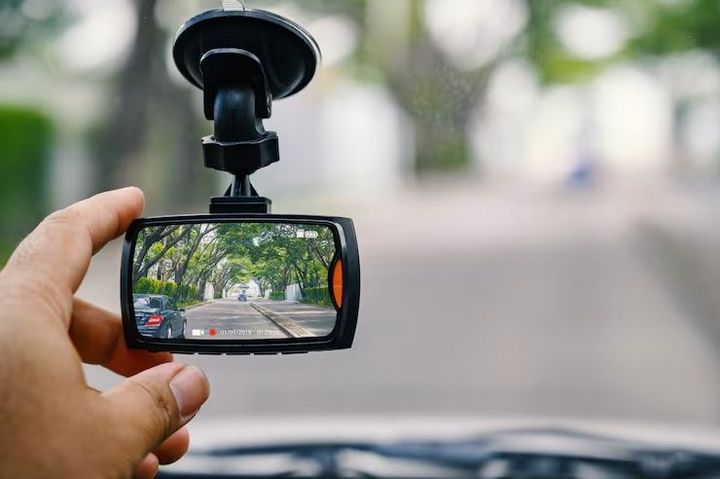
Advanced Dash Cams for Vehicles: A Comprehensive Guide to Road Safety and Surveillance
Dash cams, or dashboard cameras, have become essential components of modern vehicle safety and surveillance systems. Mounted on the dashboard or windshield, these compact devices continuously record road footage, providing valuable visual evidence during incidents such as collisions or traffic violations.
Originally introduced for law enforcement and fleet vehicles, dash cams have gained widespread use among private car owners, ride-share drivers, and commercial operators. The evolution of automotive technology—especially in artificial intelligence (AI), cloud storage, and high-definition imaging—has transformed dash cams from simple recording tools into sophisticated driver-assistance systems.
These devices now integrate GPS tracking, motion detection, night vision, and even 360-degree recording capabilities, offering comprehensive monitoring both on and off the road.
Why Dash Cams Matter in Today’s Road Safety Landscape
The importance of dash cams extends far beyond accident recording. They contribute to safer driving, accountability, and crime prevention.
Key reasons dash cams are critical today:
-
Accident Evidence: Reliable proof in the event of road collisions or disputes.
-
Insurance Transparency: Helps resolve claims by providing time-stamped video evidence.
-
Driver Behavior Monitoring: Assists fleet managers in evaluating driver performance and promoting safer habits.
-
Theft and Vandalism Deterrence: Records suspicious activity when the vehicle is parked.
-
Enhanced Public Safety: Aids authorities in investigating road crimes or hit-and-run cases.
Dash cams are particularly beneficial for professional drivers—such as delivery services, taxis, and transport fleets—where monitoring driver activity helps ensure compliance and efficiency. As vehicle safety awareness grows globally, consumers view dash cams as a long-term investment in responsible driving and legal protection.
Recent Developments and Industry Trends
The dash cam industry has seen rapid growth and technological innovation in recent years. As of 2024, new models have incorporated AI, cloud storage, and real-time analytics to improve user experience and functionality.
Recent advancements include:
| Year | Trend | Description |
|---|---|---|
| 2025 | AI-Integrated Dash Cams | Detect drowsiness, lane departure, and traffic signs using machine learning. |
| 2024 | 4K Ultra HD Recording | Improved resolution for identifying vehicle plates and road signs clearly. |
| 2023 | Cloud-Connected Dash Cams | Enable remote access, real-time uploads, and automatic incident alerts. |
| 2022 | Dual and 360° Cameras | Offer full-vehicle coverage, capturing both cabin and exterior footage. |
Manufacturers are also integrating voice commands and app-based control, allowing users to interact hands-free. These innovations align with broader trends in automotive automation and the Internet of Things (IoT).
In addition, data analytics is playing a growing role in fleet management, where dash cams feed live data to cloud platforms for route optimization, speed regulation, and driver training.
Legal and Policy Framework Surrounding Dash Cams
The growing use of dash cams has prompted governments to implement regulations regarding privacy, data usage, and recording rights. These policies vary by region, reflecting local privacy laws and surveillance ethics.
Key regulatory considerations include:
-
Data Protection Laws: Many countries require users to comply with data privacy regulations when recording public footage, ensuring personal information is not misused.
-
Admissibility in Court: Dash cam footage is often accepted as evidence in legal disputes if it meets authenticity and relevance standards.
-
Installation Guidelines: Some regions specify where cameras can be placed to avoid obstructing the driver’s view.
-
Public Recording Policies: Recording individuals without consent in certain public or restricted areas may be subject to local laws.
For instance, under India’s Motor Vehicles Act, dash cam footage can be submitted as supporting evidence in road accident claims, while the EU’s GDPR mandates that dash cam users anonymize data when sharing videos publicly.
As more vehicles integrate built-in dash cam systems, automakers are collaborating with regulators to ensure compliance with both safety and privacy requirements.
Tools and Resources for Dash Cam Users
To maximize the benefits of dash cams, users can leverage various tools and digital platforms for data management, video analysis, and cloud storage.
Popular tools and platforms include:
-
DriveRecorder Apps: Mobile applications that allow real-time viewing, editing, and storage of dash cam footage.
-
GPS Tracking Systems: Offer route replay, location mapping, and speed monitoring.
-
Cloud Backup Services: Securely store recordings, preventing data loss from device damage or theft.
-
AI-Driven Analytics Software: Detect unsafe driving patterns such as harsh braking, speeding, or lane drifting.
-
Video Editing Platforms: Help extract key moments from long recordings for insurance or legal purposes.
Sample Comparison Table of Dash Cam Features
| Feature | Basic Dash Cam | Advanced Dash Cam |
|---|---|---|
| Recording Quality | 1080p HD | 4K UHD |
| GPS Tracking | Optional | Built-in |
| Cloud Storage | No | Yes |
| AI Alerts | No | Yes |
| Parking Surveillance | Limited | 24/7 Motion Detection |
These tools empower both individual drivers and fleet operators to make informed safety decisions, monitor vehicle activity, and contribute to responsible road behavior.
Frequently Asked Questions (FAQs)
1. What is the main purpose of a dash cam?
A dash cam continuously records video footage from a vehicle, providing evidence for accidents, insurance claims, or road incidents. It also promotes safe driving and deters misconduct.
2. Are dash cams legal in all countries?
While dash cams are legal in most countries, regulations regarding data sharing, privacy, and camera placement vary. Users should review local privacy laws before installation.
3. Can dash cams record while the vehicle is parked?
Yes. Many modern dash cams include parking mode, which uses motion sensors or impact detection to record activity around the vehicle even when turned off.
4. Do dash cams affect vehicle warranty or performance?
No. Dash cams are independent devices and typically do not interfere with the car’s electrical or warranty systems when installed correctly.
5. How do cloud-connected dash cams work?
These devices upload footage to secure servers via Wi-Fi or cellular networks, allowing real-time access, live streaming, and remote monitoring from smartphones or computers.
Conclusion
Advanced dash cams are transforming vehicle safety by merging technology, accountability, and convenience. They not only safeguard drivers from legal complications but also contribute to a broader culture of responsible driving and surveillance transparency.
As automotive technology continues to evolve, the next generation of dash cams will integrate even deeper with vehicle systems—enabling predictive analysis, AI-driven safety alerts, and smarter data sharing. These innovations represent a step forward in creating safer, more efficient, and tech-enabled transportation ecosystems.
For both personal and professional drivers, understanding how dash cams work—and staying informed about legal and technological developments—remains essential for navigating the modern road safely and responsibly.