The Ultimate Guide to Robotics in Industrial Automation
Robotics in industrial automation refers to the use of programmable machines to perform tasks in manufacturing and production environments. These systems are designed to handle repetitive, precise, or physically demanding activities with consistent accuracy. Over time, industrial robotics has evolved from simple mechanical arms to advanced systems that integrate sensors, artificial intelligence, and data analytics.
The concept of industrial automation began during the early phases of mechanized production, where machines replaced manual labor in basic processes. As computing technology advanced, robotics became more adaptable and capable of handling complex operations. Today, robotics in industrial automation is widely used in sectors such as automotive manufacturing, electronics assembly, food processing, and logistics.
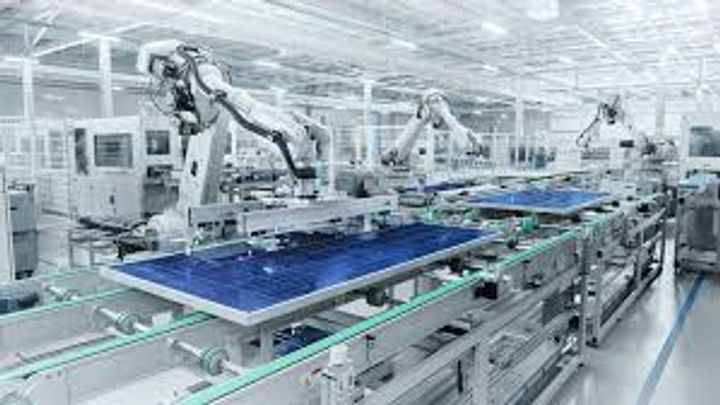
Modern industrial robots can perform tasks such as welding, packaging, painting, assembly, and inspection. They are often programmed to operate continuously, which supports stable production output and reduces variability. The development of collaborative robots, often called cobots, has also introduced systems that can safely work alongside human operators.
Importance
Robotics in industrial automation plays a significant role in addressing several challenges faced by industries today. One of the main issues is the need for consistent quality in production. Robots can perform tasks with high precision, reducing errors that may occur in manual processes.
Another important aspect is workplace safety. In environments where tasks involve heavy lifting, hazardous materials, or repetitive motion, robotics helps reduce risks to human workers. This contributes to safer working conditions while allowing people to focus on supervision, maintenance, and decision-making tasks.
Efficiency is also a key factor. Industrial robots can operate continuously without fatigue, which supports higher production rates. This is particularly relevant in industries with high demand and tight production schedules.
Robotics in industrial automation also supports adaptability. Modern systems can be reprogrammed for different tasks, allowing manufacturers to respond to changing product requirements. This flexibility is useful in industries where product designs frequently change.
Key benefits include:
- Improved precision: Robots perform tasks with consistent accuracy.
- Enhanced safety: Reduced exposure to hazardous conditions.
- Higher productivity: Continuous operation supports steady output.
- Process consistency: Standardized operations reduce variation.
These advantages make robotics an important part of modern industrial systems.
Recent Updates
Recent developments in robotics in industrial automation reflect advancements in digital technologies and system integration. One notable trend is the integration of artificial intelligence and machine learning. These technologies allow robots to adapt to changes, recognize patterns, and improve performance over time.
Another development is the growth of collaborative robots. Unlike traditional industrial robots that operate in isolated environments, cobots are designed to work alongside humans. They are equipped with sensors and safety features that allow interaction without the need for extensive physical barriers.
The use of digital twins has also expanded. A digital twin is a virtual model of a physical system, which allows engineers to simulate and analyze processes before implementing them in real environments. This approach helps improve planning and reduce errors.
Connectivity is another important trend. Robotics systems are increasingly connected through industrial networks, enabling real-time monitoring and data sharing. This supports predictive maintenance, where systems can identify potential issues before they lead to downtime.
Sustainability is also becoming a focus area. Robotics in industrial automation is being used to optimize resource use, reduce waste, and improve energy efficiency in production processes.
Laws or Policies
The use of robotics in industrial automation is influenced by various laws and policies related to safety, labor, and technology standards. Governments and regulatory bodies establish guidelines to ensure that automated systems operate safely and responsibly.
Workplace safety regulations often require that robotic systems include protective measures such as emergency stop functions, safety sensors, and controlled operation zones. These regulations aim to prevent accidents and ensure safe interaction between humans and machines.
Standards organizations develop technical guidelines for robotics systems. These standards cover aspects such as design, installation, operation, and maintenance. They help ensure that systems are reliable and compatible across different industries.
In some regions, policies also address the impact of automation on employment and workforce development. Training programs and skill development initiatives are introduced to help workers adapt to changing roles in automated environments.
Data protection and cybersecurity regulations are also relevant. As robotics systems become more connected, protecting data and ensuring secure communication becomes essential.
Overall, laws and policies aim to balance technological advancement with safety, fairness, and reliability.
Tools and Resources
Several tools and resources support the implementation and understanding of robotics in industrial automation. These resources help engineers, technicians, and organizations plan, design, and manage automated systems.
Simulation software is widely used to model robotic operations before physical deployment. These tools allow users to test workflows, identify potential issues, and optimize performance.
Programming platforms provide interfaces for configuring and controlling robotic systems. Many modern robots use user-friendly programming methods, including graphical interfaces and simplified coding environments.
Educational platforms and online courses offer learning materials on robotics and automation concepts. These resources help individuals understand system design, operation, and maintenance.
Industry standards documentation provides guidelines for safe and effective implementation. These documents are often published by recognized organizations and serve as reference materials.
Common types of tools include:
- Simulation tools: Used for testing and optimizing robotic processes.
- Programming software: Enables configuration and control of robots.
- Monitoring systems: Track performance and detect issues.
- Training platforms: Provide educational content on automation technologies.
Example of Industrial Robot Types
| Robot Type | Common Use Case | Key Feature |
|---|---|---|
| Articulated Robot | Welding and assembly | Multiple joint movements |
| SCARA Robot | Pick-and-place tasks | High speed and precision |
| Cartesian Robot | Material handling | Linear movement on axes |
| Collaborative Robot | Human-robot interaction tasks | Built-in safety features |
| Delta Robot | Packaging and sorting | Lightweight and fast operation |
This table illustrates how different robot types are suited to specific tasks within industrial automation environments.
FAQs
What is robotics in industrial automation?
Robotics in industrial automation involves using programmable machines to perform manufacturing tasks such as assembly, welding, and material handling with precision and consistency.
How are industrial robots used in factories?
Industrial robots are used for tasks like packaging, inspection, painting, and assembly. They are programmed to perform repetitive or complex operations efficiently.
What are the benefits of robotics in industrial automation?
Benefits include improved accuracy, enhanced safety, consistent production quality, and the ability to operate continuously without fatigue.
What is the difference between traditional robots and collaborative robots?
Traditional robots usually operate in isolated areas, while collaborative robots are designed to work alongside humans with built-in safety features.
Is robotics in industrial automation difficult to implement?
Implementation can vary depending on the complexity of the system. With modern tools and training resources, many systems are designed to be more accessible and adaptable.
Conclusion
Robotics in industrial automation has become an essential part of modern production systems, supporting efficiency, safety, and consistency. Advances in technology have made robotic systems more adaptable and easier to integrate into various industries. While regulations and standards guide their safe use, ongoing developments continue to expand their capabilities. Understanding the role and function of industrial robotics helps provide a clearer view of how industries operate today.