A Comprehensive Overview of UV Curing Machines: Explanation, Knowledge, and Buying Guide
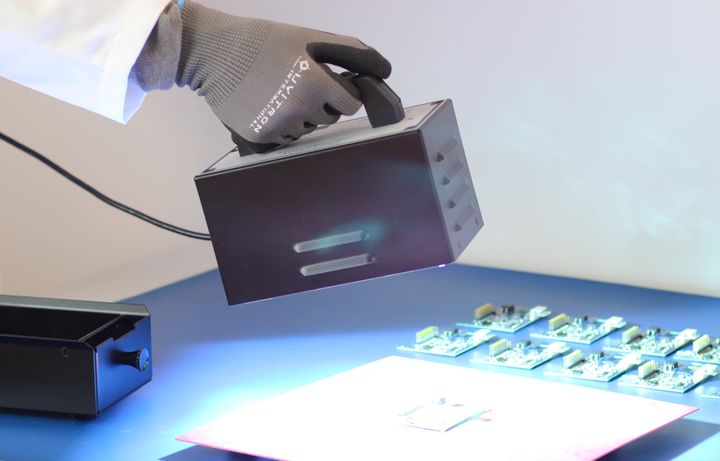
UV curing machines are devices used to harden or cure materials such as inks, adhesives, and coatings through exposure to ultraviolet (UV) light. This technology enables rapid drying or polymerization without the need for heat, making it widely used in industries such as printing, electronics, automotive, medical devices, and manufacturing.
The process of UV curing works by initiating a photochemical reaction when UV light interacts with photo-initiators in the material, causing it to solidify or "cure." The method is clean, fast, and energy-efficient, providing high-quality finishes and improved production throughput.
Why UV Curing Machines Matter Today
UV curing has grown in importance due to its broad industrial applications, environmental benefits, and efficiency advantages. In today’s competitive manufacturing environment, industries seek solutions that improve productivity, reduce waste, and maintain high-quality output—UV curing systems help achieve these goals.
Who Uses UV Curing Machines
- Printing and Packaging Industry
- For instant drying of inks and coatings on paper, plastic, and foil.
- Electronics Manufacturers
- For curing conformal coatings and adhesives used in PCB assembly.
- Automotive Industry
- For curing coatings, gaskets, and paints without damaging heat-sensitive parts.
- Medical Device Manufacturers
- For bonding plastics, syringes, and surgical instruments.
- Furniture and Woodworking
- For applying fast-drying protective finishes.
Problems Solved by UV Curing Technology
| Problem | UV Curing Benefit |
|---|---|
| Slow drying times | Instantaneous curing improves productivity |
| High energy consumption | UV systems use less energy than heat curing |
| Heat damage to sensitive components | Low-temperature process prevents material damage |
| Environmental concerns | Low VOC emissions, safer than solvent-based methods |
| Inconsistent quality finishes | UV ensures uniform curing and smooth surfaces |
UV curing is also ideal for automation, offering manufacturers the flexibility to scale production while maintaining precise control over curing processes.
Recent Trends and Developments (2024–2025)
The UV curing industry has evolved with new innovations and market expansions. Here are the key updates from the past year:
1. Shift Toward LED UV Technology (2024)
Traditional mercury UV lamps are being replaced with UV LED curing systems. These systems are mercury-free, emit less heat, and offer longer operational lifespans. LED UV systems also consume less energy and are more compatible with eco-friendly materials.
2. Growth in 3D Printing and Electronics
UV curing is becoming a critical part of 3D printing workflows, especially for post-curing photopolymer resins. Similarly, microelectronics and semiconductor manufacturing have adopted UV curing for encapsulating and bonding delicate parts.
3. Portable and Modular Machines
There has been a rise in compact and modular UV curing systems, suitable for mobile repair units and small-scale manufacturing lines. These systems are often adjustable for different wavelengths and curing intensities.
4. Integration with Industry 4.0 Platforms
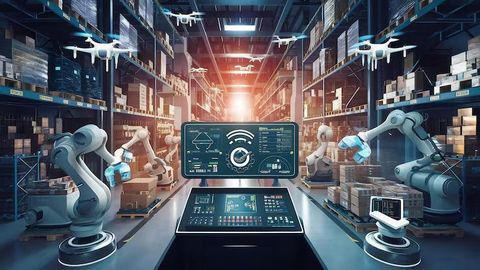
Modern UV machines are equipped with IoT sensors, automated controls, and remote diagnostics. This allows real-time monitoring of curing parameters like intensity, exposure time, and material temperature.
5. Regulatory Compliance Pressures
Due to increasing environmental awareness and the phase-out of mercury lamps under Minamata Convention guidelines, industries are switching to greener technologies, influencing buying decisions in 2025.
Laws and Regulations Affecting UV Curing Machines
UV curing machines, like other industrial tools, are governed by safety and environmental regulations across different regions.
India
- Bureau of Indian Standards (BIS): Ensures electrical safety standards for industrial equipment, including UV systems.
- Pollution Control Board Guidelines: Push for reduced VOC emissions in manufacturing, supporting UV over solvent-based processes.
- Occupational Safety Norms (Factories Act, 1948): Includes UV exposure limits for workers and mandates protective shielding.
Global Regulations
| Region | Regulatory Body / Standard | Key Impact |
|---|---|---|
| USA | Occupational Safety and Health Administration (OSHA) | Limits on UV exposure; machine guarding requirements |
| EU | RoHS, CE Certification, REACH | Restricts hazardous substances in components and lamps |
| Japan | Industrial Safety and Health Law | Sets workplace exposure limits for UV light |
| Global | Minamata Convention on Mercury (UN treaty) | Phasing out mercury-based UV lamps by 2025 |
Compliance ensures equipment safety, operator protection, and sustainability.
Tools and Resources for Buyers and Operators
If you're planning to buy, operate, or upgrade a UV curing machine, several tools and platforms can support decision-making and operations.
Online Tools and Calculators
- UV Dose Calculator: Determines required UV intensity and exposure time based on material thickness and type.
- Lamp Life Estimator: Predicts replacement timelines based on usage hours and material type.
- Energy Comparison Tool: Compares energy costs of LED vs mercury UV curing systems.
Software and Simulation Platforms
- COMSOL Multiphysics: Simulates heat and light distribution in curing applications.
- CureRight™ by Phoseon: Software to monitor LED UV system health and energy output.
- UV Spectrometer Apps (iOS/Android): Use external sensors to measure UV irradiance in real time.
Educational Portals and Guidelines
- RadTech.org – Industry resources, webinars, safety documentation.
- BIS India – Electrical and safety standards for UV equipment.
- OSHA.gov – Operator safety, PPE guidelines, UV exposure limits.
- LED UV Tech Blog – Ongoing coverage of new UV curing applications and technologies.
Frequently Asked Questions (FAQs)
Q1: What is the difference between LED UV and mercury UV curing machines?
LED UV machines use light-emitting diodes to generate UV light, while mercury UV machines use mercury vapor lamps. LED systems last longer, consume less power, and are more eco-friendly but may have limited compatibility with older UV-reactive materials.
Q2: How do I choose the right UV curing machine for my application?
Consider the material type, required curing speed, surface area, lamp wavelength, and cooling method. For example, electronics require low-heat curing, while wood coatings may need high-intensity lamps.
Q3: Are UV curing machines safe for operators?
Yes, if used correctly. Machines must have UV shielding, interlock switches, and protective gear (UV-blocking glasses, gloves). Regulatory standards also set safe exposure limits.
Q4: Can UV curing be used on heat-sensitive materials?
Yes, especially with LED UV systems, which emit less heat. These are suitable for plastics, circuit boards, and thin films that might deform under high temperatures.
Q5: What maintenance is required for UV curing systems?
Regular maintenance includes lamp replacement, reflector cleaning, cooling system checks, and intensity testing. LED UV systems require less frequent servicing than mercury systems.
Conclusion
UV curing machines are transforming industries by offering a fast, clean, and energy-efficient way to harden materials. Whether used in printing, electronics, or automotive production, UV curing enhances precision, reduces waste, and supports modern production demands.
With recent advances in LED technology, automation, and environmental compliance, UV curing continues to evolve. Understanding the applications, safety requirements, and operational factors helps individuals and industries make informed decisions when investing in or upgrading their curing systems.For anyone exploring UV curing technology—whether a manufacturer, technician, or engineer—staying informed through tools, compliance updates, and new research ensures safe, efficient, and future-ready operations.