A Comprehensive Guide to Dust Collection Systems: Operation, Advantages, and Care
In industrial and commercial environments where dust and airborne particles are frequently generated, maintaining air quality is critical not only for health and safety but also for equipment longevity and operational efficiency. Dust collection systems serve as a vital solution, helping manage air pollutants and ensuring a cleaner, safer workspace.
The concept of dust collection systems developed alongside industrial growth, as factories began to recognize the impact of airborne dust on both equipment and human health. Over time, these systems have evolved from simple mechanical collectors to more advanced setups that include filters, separators, and airflow control mechanisms. Today, modern dust collection systems combine engineering design with environmental awareness, focusing on efficiency and safety.
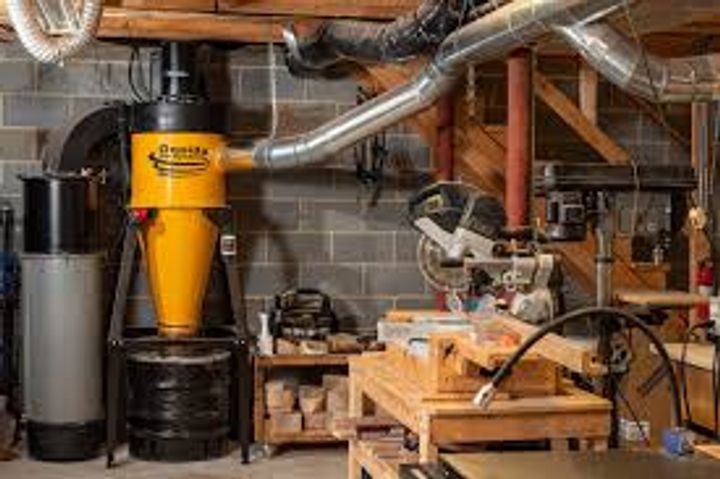
A typical dust collection system includes components such as a blower, dust filter, dust receptacle, and ductwork. These parts work together to capture dust at its source, transport it through ducts, and separate it from clean air before releasing the air back into the environment. Understanding how these components function helps explain why dust collection systems are widely used across different industries.
Importance
Dust collection systems play an important role in maintaining air quality, especially in workplaces where dust is a natural byproduct of operations. Fine particles released into the air can accumulate over time, leading to potential respiratory concerns and reduced visibility. By using dust collection systems, organizations can manage these particles more effectively.
Another important aspect is equipment protection. Dust buildup on machinery can interfere with performance and increase wear over time. A properly functioning dust collection system helps reduce this accumulation, supporting smoother operation and longer equipment lifespan.
Dust collection systems also contribute to workplace cleanliness and organization. When dust is controlled at the source, it reduces the need for frequent manual cleaning and helps maintain a safer working environment.
Key benefits of dust collection systems include:
- Improved air quality, which helps reduce exposure to airborne particles
- Reduced accumulation of dust on machinery and surfaces
- Better visibility in work areas
- Lower risk of dust-related incidents such as fires in certain environments
- Enhanced compliance with environmental and safety standards
These systems are relevant not only in large industrial facilities but also in smaller workshops and commercial spaces where dust is generated regularly.
Recent Updates
Recent developments in dust collection systems reflect a growing focus on efficiency, monitoring, and environmental responsibility. One noticeable trend is the integration of smart sensors that monitor airflow, filter condition, and system performance in real time. These features allow operators to identify issues early and maintain consistent operation.
Another update is the use of energy-efficient components. Modern dust collection systems are increasingly designed to reduce energy consumption while maintaining effective dust removal. Variable speed drives and optimized airflow designs are becoming more common in newer installations.
Filter technology has also advanced. High-efficiency filters are now capable of capturing finer particles, including those that were previously difficult to trap. This improvement supports better air quality and aligns with stricter environmental expectations.
There is also a shift toward modular designs. These systems can be adjusted or expanded depending on the size and needs of a facility, making them adaptable to changing production requirements.
Laws or Policies
Dust collection systems are influenced by environmental and occupational safety regulations in many countries, including India. These regulations are designed to limit the release of airborne pollutants and ensure safe working conditions.
In India, guidelines from organizations such as the Central Pollution Control Board (CPCB) and State Pollution Control Boards set standards for air emissions. Industries are expected to control particulate matter within specified limits, and dust collection systems are often part of the compliance approach.
Workplace safety regulations also address exposure to dust. The Factories Act and related rules emphasize the importance of maintaining clean air in industrial settings. Employers are generally required to implement measures that reduce airborne contaminants and protect workers.
Internationally, frameworks such as those from occupational safety agencies outline acceptable exposure levels for different types of dust. While these standards vary by region, the general objective remains consistent: to minimize health risks and environmental impact.
Tools and Resources
Several tools and resources can help in understanding, selecting, and maintaining dust collection systems. These tools are often used by engineers, facility managers, and planners.
Common tools include:
- Airflow calculators, which help determine the volume of air needed for effective dust capture
- Duct design software, used to plan efficient layouts for dust collection systems
- Filter selection charts, which assist in choosing the right filter type based on particle size
- Maintenance checklists, which guide regular inspection and upkeep
Below is a simple table showing common types of dust collection systems and their general applications:
| Type of Dust Collection System | Common Use Case | Key Feature |
|---|---|---|
| Baghouse System | Industrial manufacturing | Uses fabric filters to capture dust |
| Cyclone Collector | Heavy dust environments | Separates particles using centrifugal force |
| Cartridge Collector | Fine dust applications | Compact design with high efficiency |
| Wet Scrubber | Chemical or moist dust | Uses liquid to trap particles |
| Portable Collector | Small workshops | Flexible and easy to move |
These tools and resources help users better understand how dust collection systems function and how they can be maintained over time.
Features of Dust Collection Systems
Dust collection systems are designed with several features that support effective dust control. These features vary depending on the type of system and its intended use.
Filtration Mechanism
The filtration system is a core component that determines how effectively dust particles are captured. Different filters are used depending on particle size and material type. Common options include fabric filters, cartridge filters, and high-efficiency filters designed for fine particles.
Airflow Control
Airflow plays a key role in transporting dust from the source to the collection unit. Dust collection systems use fans or blowers to maintain consistent airflow. Proper airflow ensures that dust does not settle in ducts or escape into the workspace.
Dust Separation
Dust separation methods vary across systems. For example, cyclone collectors use centrifugal force, while baghouse systems rely on filter media. Each method is suited to specific types of dust and operational conditions.
Dust Storage
Collected dust is stored in containers or bins for later disposal or processing. This feature helps keep the system organized and prevents re-entry of dust into the air.
Noise and Energy Considerations
Modern dust collection systems often include features that reduce noise levels and improve energy efficiency. These considerations are important for maintaining a comfortable and sustainable working environment.
Maintenance Steps
Regular maintenance is essential for ensuring that dust collection systems function effectively over time. Without proper upkeep, performance may decline, and components may wear out more quickly.
Routine Inspection
Routine inspection involves checking key components such as filters, ducts, and fans. This helps identify any blockages, leaks, or wear that may affect system performance.
Filter Cleaning or Replacement
Filters play a central role in dust collection systems and require regular attention. Depending on the type, filters may need cleaning or replacement to maintain efficiency.
Checking Airflow
Monitoring airflow ensures that the system is operating within its intended range. Reduced airflow may indicate blockages or mechanical issues.
Dust Disposal
Collected dust should be removed from storage containers regularly. This prevents overflow and helps maintain proper system function.
System Calibration
Periodic calibration ensures that sensors and controls are functioning correctly. This is particularly important in systems equipped with monitoring technology.
Maintenance steps can be summarized as:
- Inspect components regularly
- Clean or replace filters as needed
- Monitor airflow levels
- Empty dust collection bins
- Check for leaks or unusual noise
By following these steps, dust collection systems can continue to operate efficiently and support cleaner air environments.
FAQs
What is a dust collection system and how does it work?
A dust collection system captures airborne dust from a source, transports it through ducts, and separates it from clean air using filters or other methods before releasing the air back into the environment.
Where are dust collection systems commonly used?
Dust collection systems are used in industries such as manufacturing, woodworking, construction, and food processing, as well as in smaller workshops where dust is generated regularly.
What are the main types of dust collection systems?
Common types include baghouse systems, cyclone collectors, cartridge collectors, wet scrubbers, and portable units. Each type is designed for specific applications and dust characteristics.
How often should dust collection systems be maintained?
Maintenance frequency depends on usage and environment, but regular inspections, filter checks, and dust removal are typically part of ongoing system care.
Why are dust collection systems important for air quality?
Dust collection systems help reduce airborne particles, improving indoor air quality and supporting safer and cleaner working conditions.
Conclusion
Dust collection systems are essential for managing airborne particles in various environments. They help maintain air quality, protect equipment, and support organized workspaces. With advancements in technology and growing awareness of environmental standards, these systems continue to evolve in design and efficiency. Regular maintenance and proper understanding of system features contribute to their effective operation. Overall, dust collection systems play a significant role in promoting cleaner and safer environments.